

MicroBio - Microbial Genomics and Bioinformatics
The Microbial Genomics and Bioinformatics group investigates how bacterial genomes and microbiomes evolve and adapt over time.
Our research focuses on foodborne pathogens, horizontal gene transfer, and the dissemination of key traits such as antibiotic resistance and virulence. We also examine bacterial persistence and environmental adaptation, contributing to a broader One Health perspective on how microbial evolution impacts human, animal, and ecosystem health.
The main objectives of our research include:
- Investigating the epidemiology of plasmids in major foodborne bacterial pathogens, with particular emphasis on their role in the spread of antibiotic resistance along the food chain. We also study the prevalence and behaviour of cryptic plasmids, exploring their potential adaptive advantages, including their capacity to acquire and disseminate antibiotic resistance genes;
- Understanding how genome plasticity, mediated by mobile genetic elements, enables microbial communities to respond to stress conditions, such as antibiotic exposure and anthropogenic pressures, and adapt to changing environments;
- Elucidating the recurrence of Listeria monocytogenes in food processing environments despite standard cleaning and disinfection procedures. This pathogen is responsible for a significant proportion of foodborne illness-related deaths. We aim to develop large-scale bioinformatic approaches to identify gene networks involved in its persistence across diverse environments and to characterise the evolutionary forces underlying this process.
- Contributing to the FAIRification of life sciences data in bacterial genomics and metagenomics.
Our work contributes to multiple dimensions of research and development, alongside a strong commitment to dissemination and outreach. We are actively involved in supervising master’s and PhD students and in delivering the advanced course “Bioinformatic Analysis of Biological Sequences,” offered by CE3C.
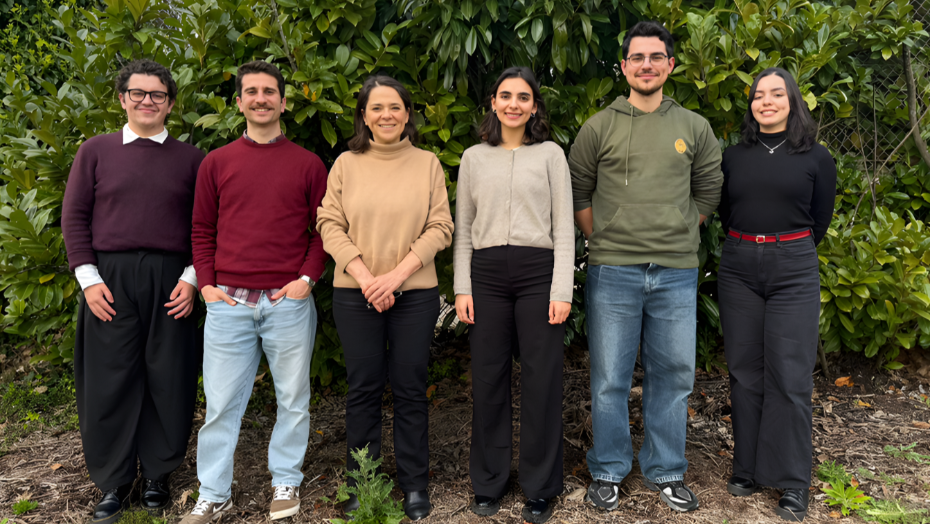
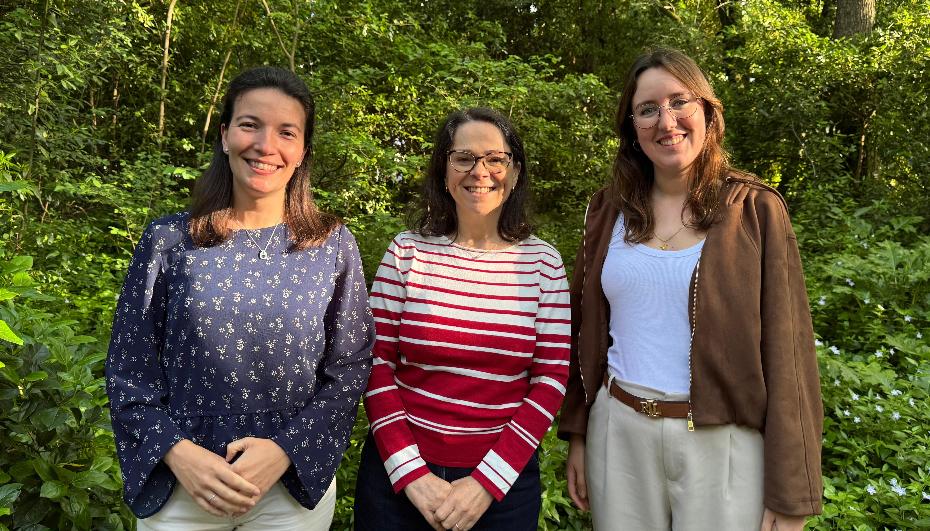
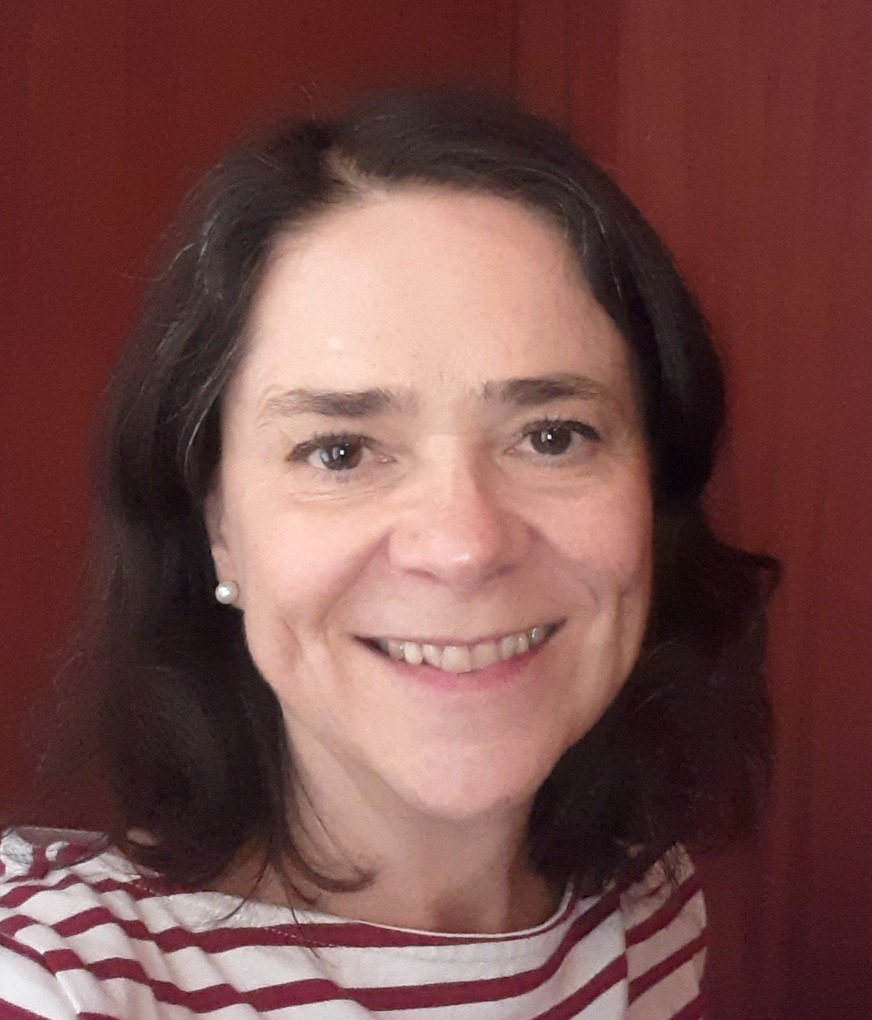
Group Leader
Teresa Nogueira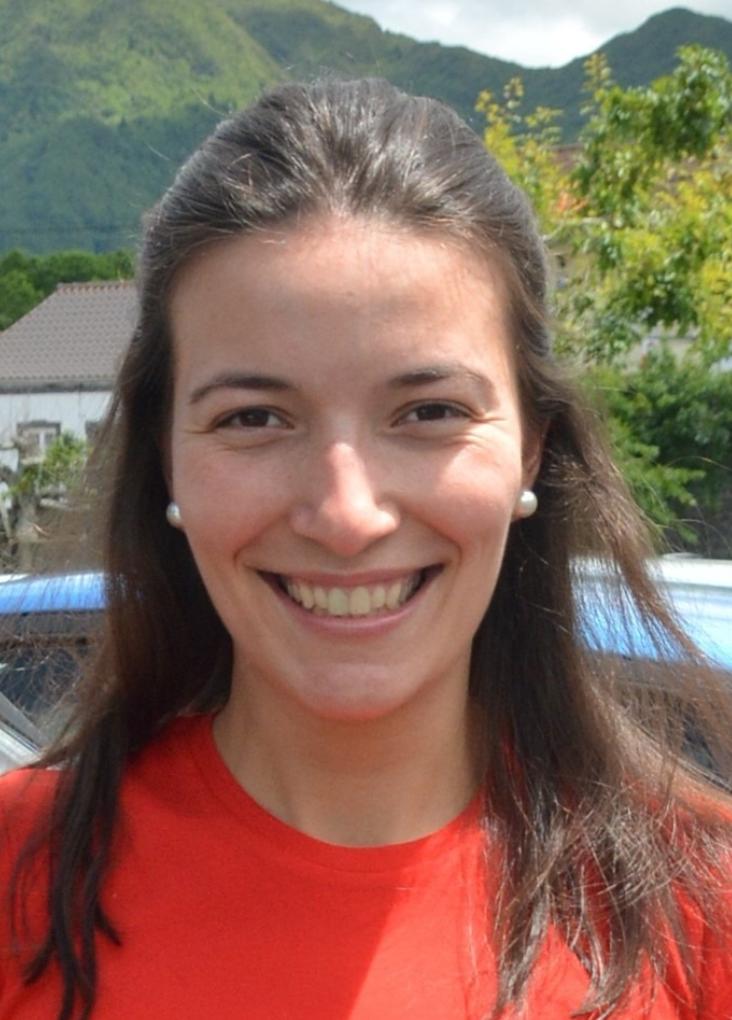
Researcher
Célia Domingues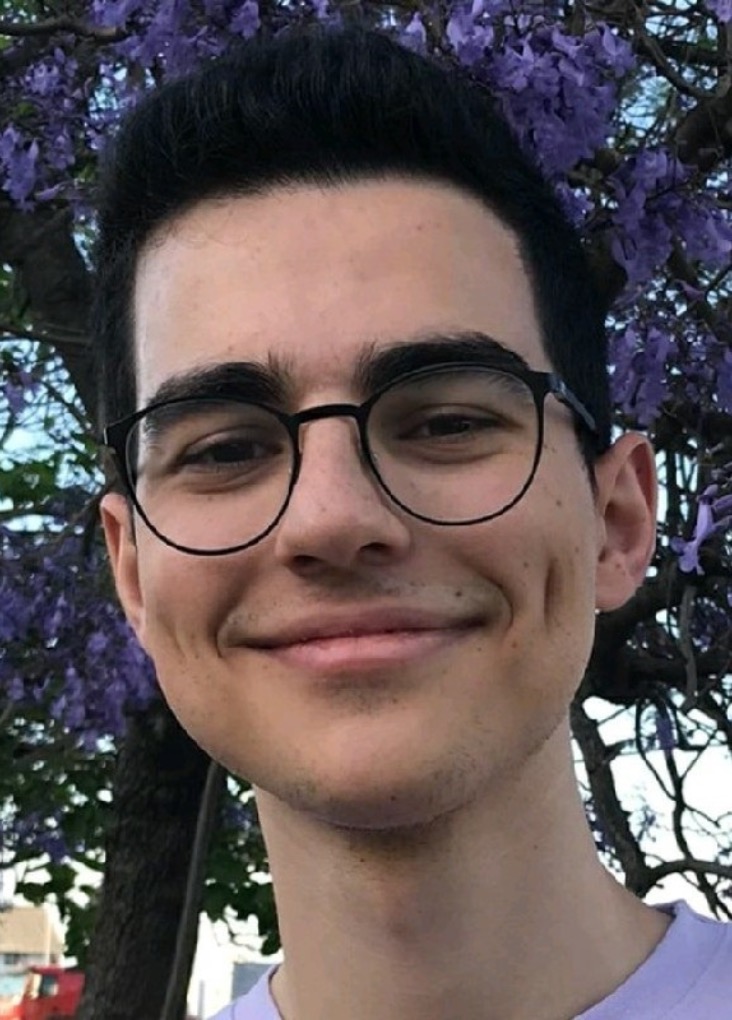
PhD Student
Daniel Silva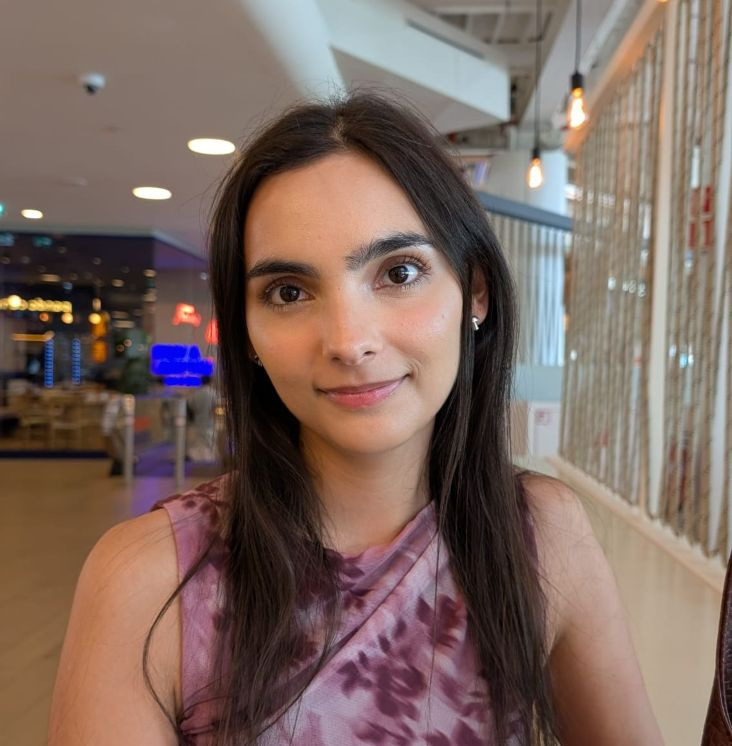
PhD Student
Diana Mortinho
PhD Student
Joana Monteiro Marques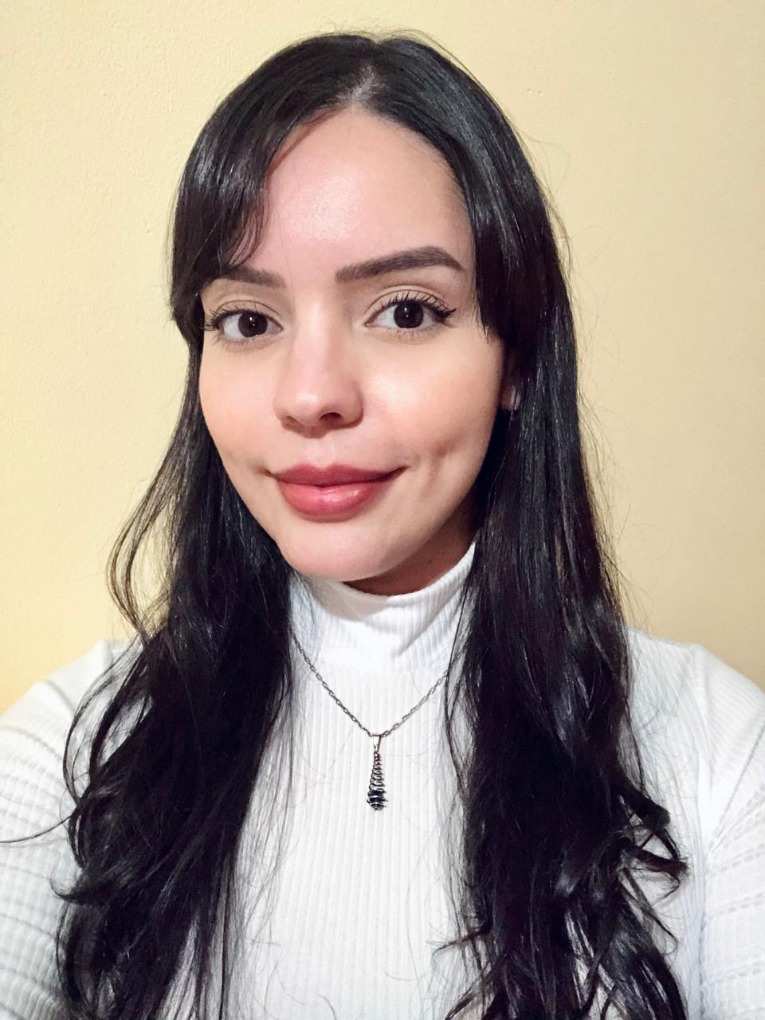
PhD Student
Mariana Magaldi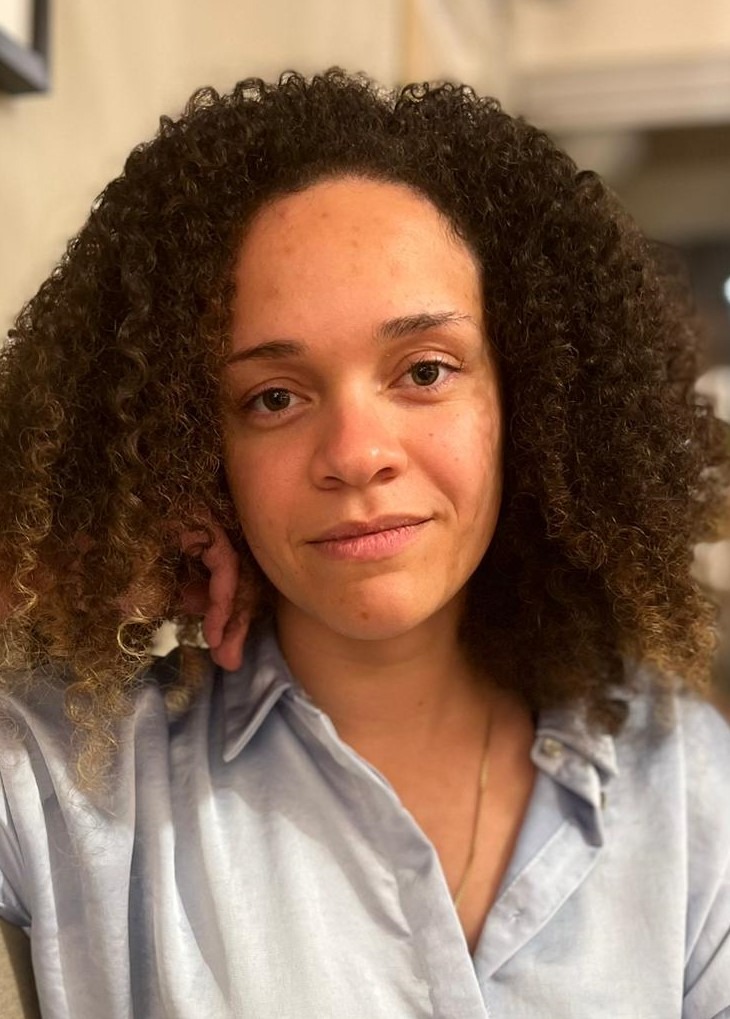
MSc Student
Inês Casaca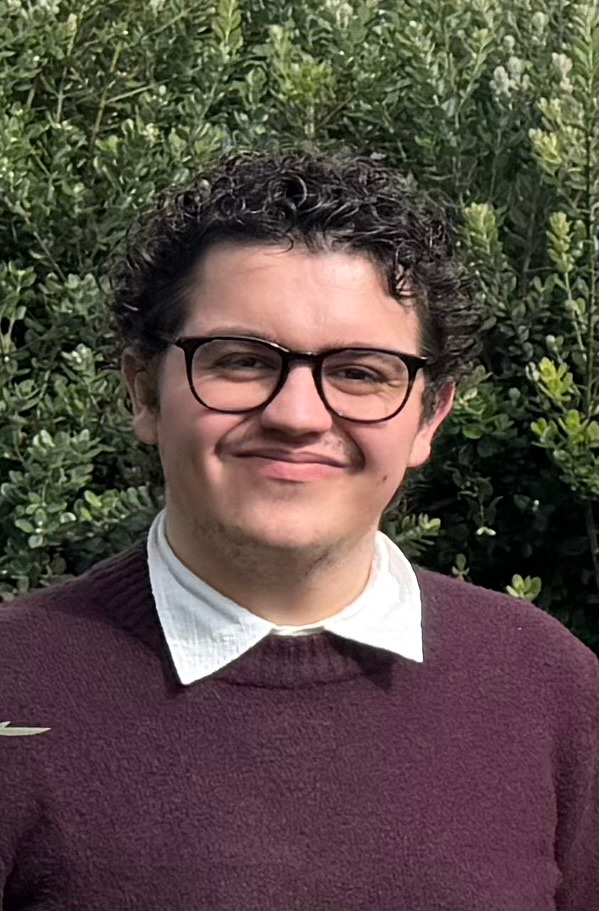
MSc Student
Rúben Fernandes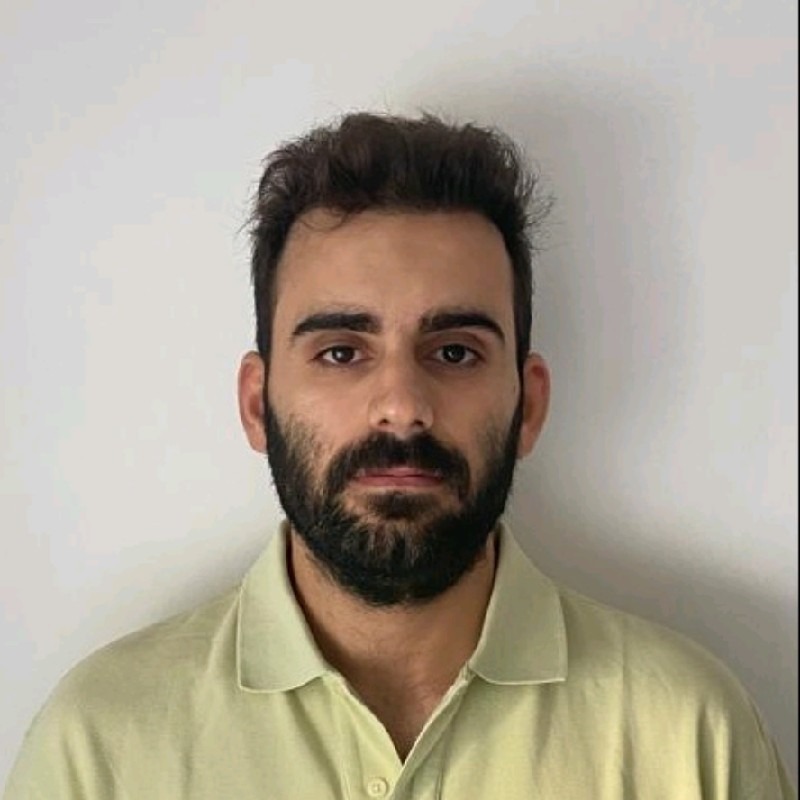
External Collaborator
Diogo Marques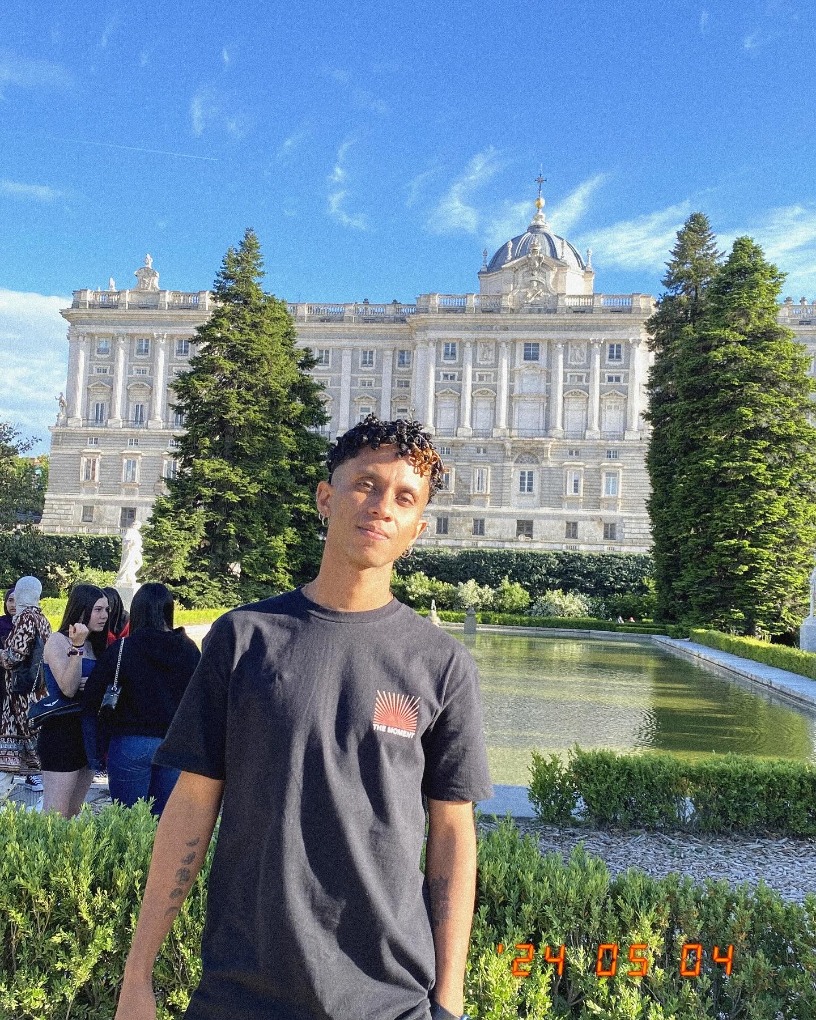
External Collaborator
Lucas Santos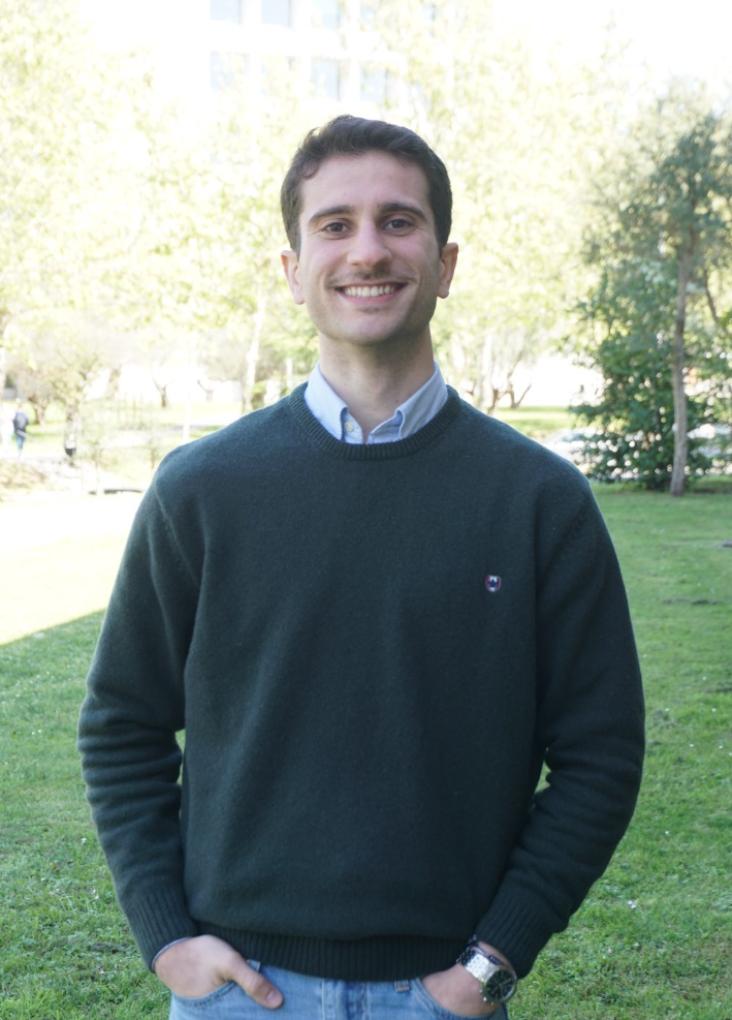
External Collaborator
Pedro Maia Dias