
Why is the heart on the left and the liver on the right? The answer begins to take shape long before these organs form, in the early stages of embryonic development, within a small structure called the left-right embryonic organiser, which acts as a sort of biological compass, helping to determine which side of the body will be the left and which the right.
This structure contains cells with tiny, moving projections, called cilia, whose movement generates fluid currents that trigger the first molecular signals responsible for the asymmetrical organisation of the organs. In zebrafish, this process occurs around 10 hours after fertilisation, long before the heart begins to beat, at around 28 hours.
It all happens very early on, in humans too, and long before the heart is visible.”
Susana Lopes
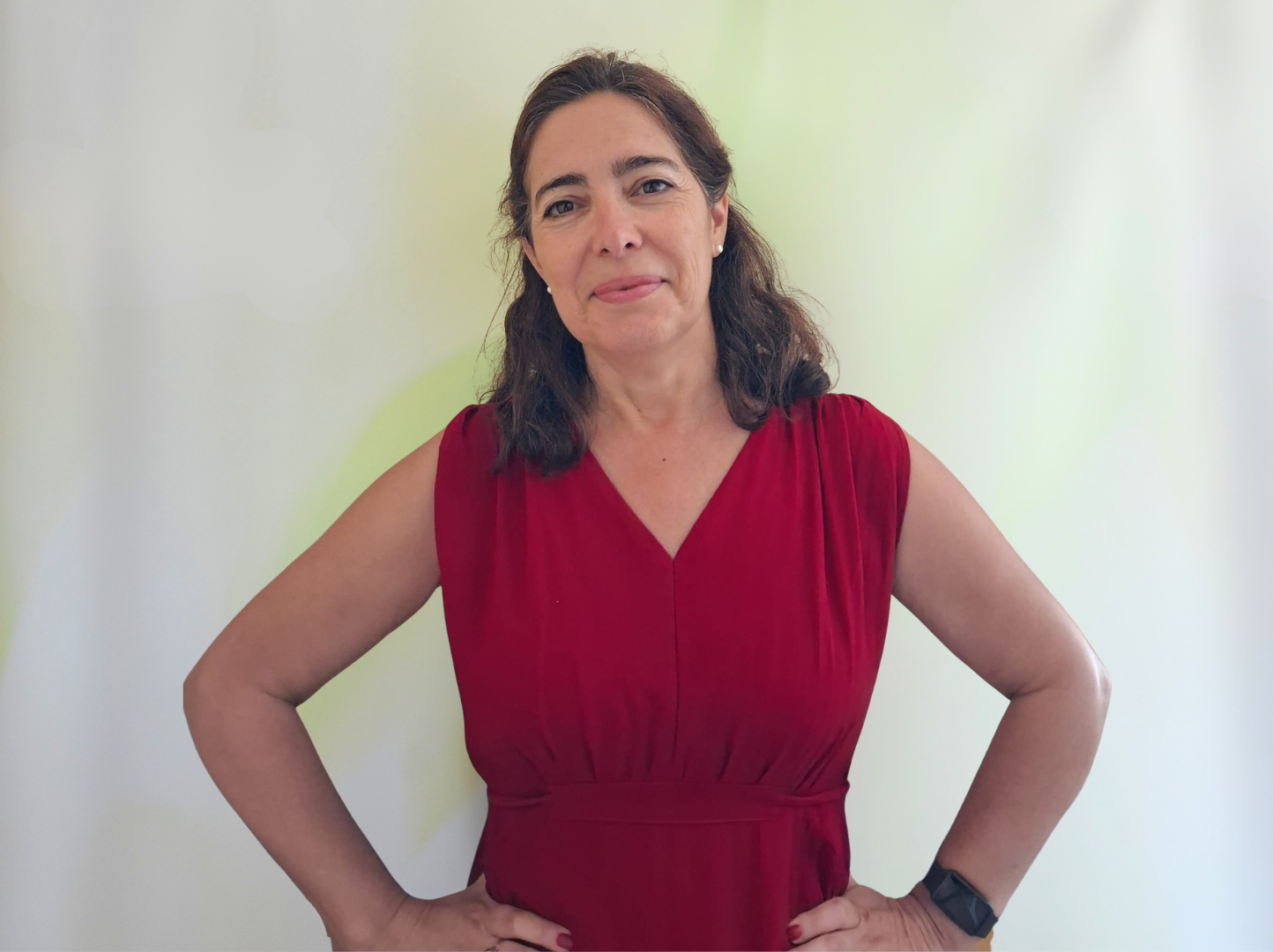
The Beating4aleft-heart project, led by Susana Lopes, will use zebrafish as an experimental model to understand how the movement of these cilia is regulated and how the physical forces they produce are transformed into molecular signals that determine the position of the organs.
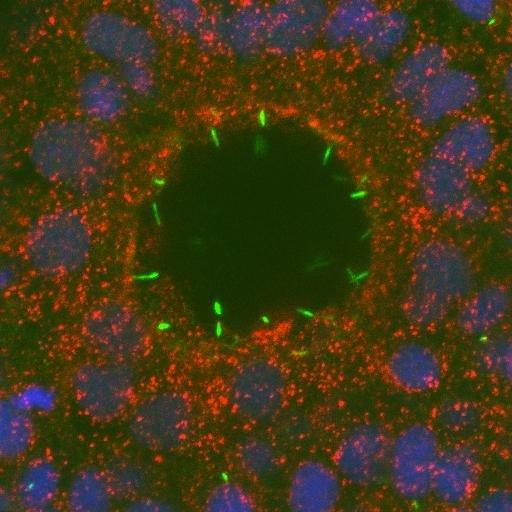
By unravelling these fundamental mechanisms, the research may contribute to a better understanding of congenital heart defects and rare diseases, such as heterotaxia, which is characterised by abnormalities in the arrangement of internal organs.
For the researcher, this funding also represents an opportunity to reflect on the challenges facing scientific research in Portugal.
In a context where funding for science in Portugal remains insufficient, the support from the “la Caixa” Foundation is essential to ensure the continuation of high-quality research projects. However, the high level of competition in these calls for proposals shows that many outstanding scientific projects still lack the necessary funding."
Susana Lopes
Related News
view all 25 s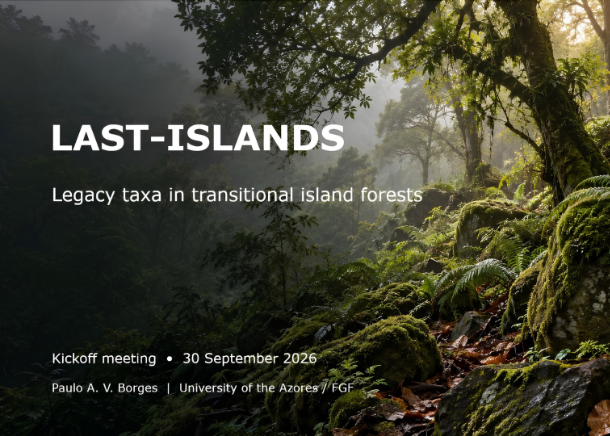
A project led by CE3C will spend three years studying the persistence of native and endemic species in exotic forests and transitional habitats on various islands in the Azores.
09 Oct 2026

INCITE-DEM é coordenado pela investigadora cE3c Inês Campos.
03 Mar 2023
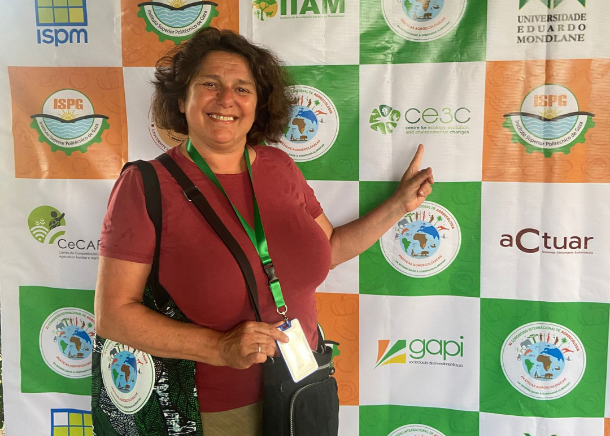
O Projeto GrowLIFE esteve em destaque através da participação das investigadoras Sara Magalhães e Claudia Barrera Salas.
25 Jun 2026
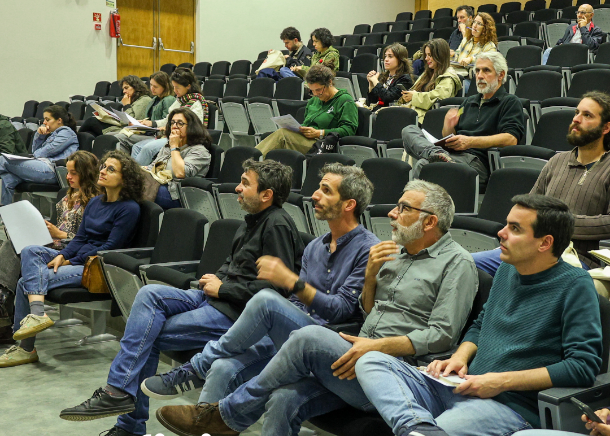
Iniciativa marcou o arranque de um processo participativo dedicado à identificação, valorização e mapeamento dos Serviços dos Ecossistemas (SE) na Serra da Estrela
18 May 2026