
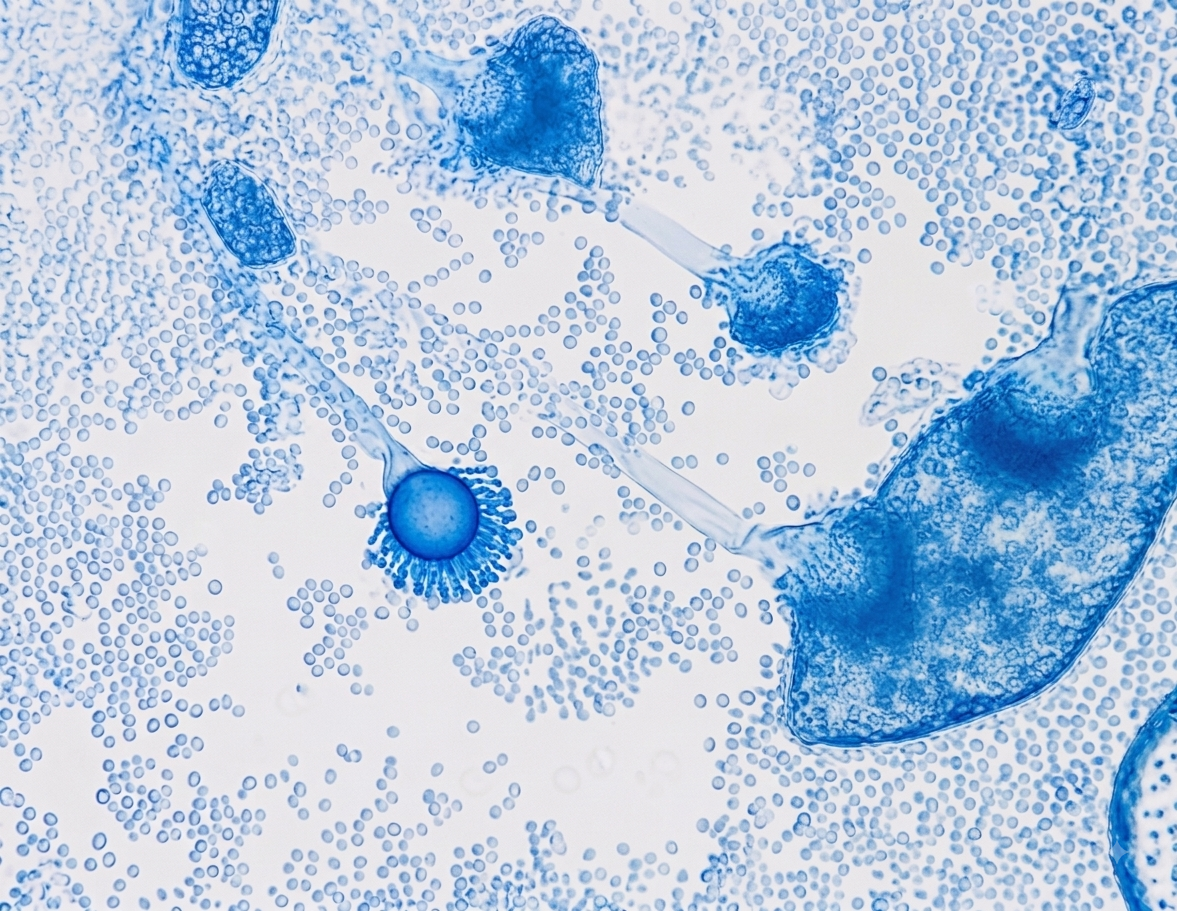
Resistance to antifungal drugs poses a growing threat to public health worldwide. A new scientific article published in the journal Water Research highlights the role of wastewater and environmental contamination in the emergence of antifungal-resistant fungi in Asia, a problem that could have significant implications for global public health.
The researchers, led by CE3C researcher João Brandão, adopted a ‘One Health’ approach, which recognises the interconnection between human, animal and environmental health. The study in question describes how the use of fungicides in agriculture, the clinical use of antifungals, wastewater treatment systems and aquatic ecosystems can collectively contribute to the spread of antifungal resistance.
Asia is considered a high-risk region due to a combination of various factors, such as the intensive use of agricultural antifungals and the lack of adequate infrastructure for wastewater treatment, which is unable to meet the demands arising from high population density.
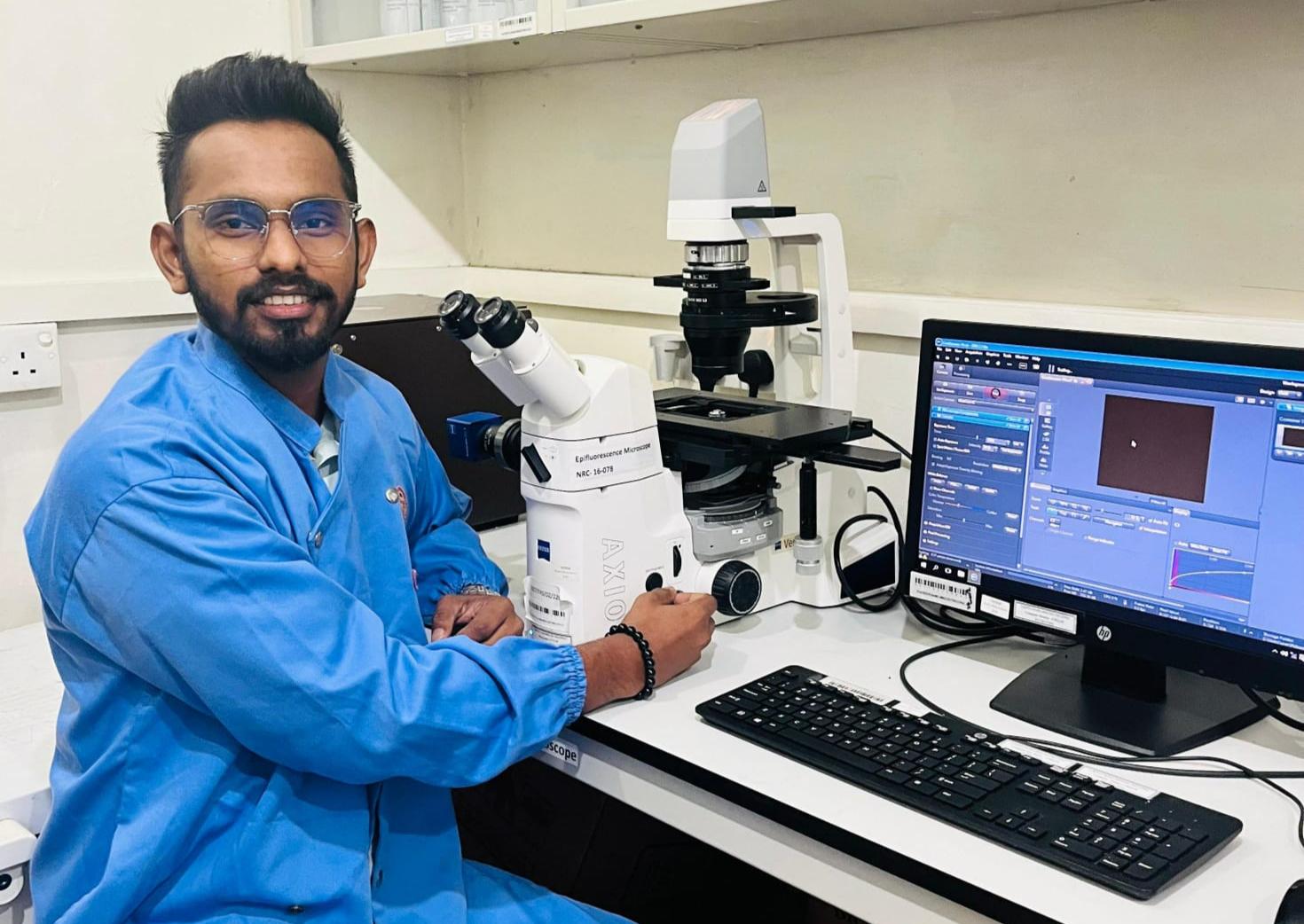
The study analyses the presence of azole antifungal compounds in various Asian water resources, namely rivers, groundwater, effluent from wastewater treatment plants and sewage sludge. In Asian countries such as India and China, the concentration levels of these compounds significantly exceed the levels considered safe, which may promote the development of resistance in pathogenic fungi.
Furthermore, wastewater treatment plants can act as veritable ‘evolutionary reactors’, where residues of antifungal medicines from hospitals, households, the pharmaceutical industry and agriculture create conditions favourable to the selection of resistant microorganisms.
This phenomenon may contribute to the emergence of strains that are difficult to treat, including clinically relevant species such as Aspergillus fumigatus and Candidozyma (Candida) auris, which are considered priorities by the World Health Organisation.
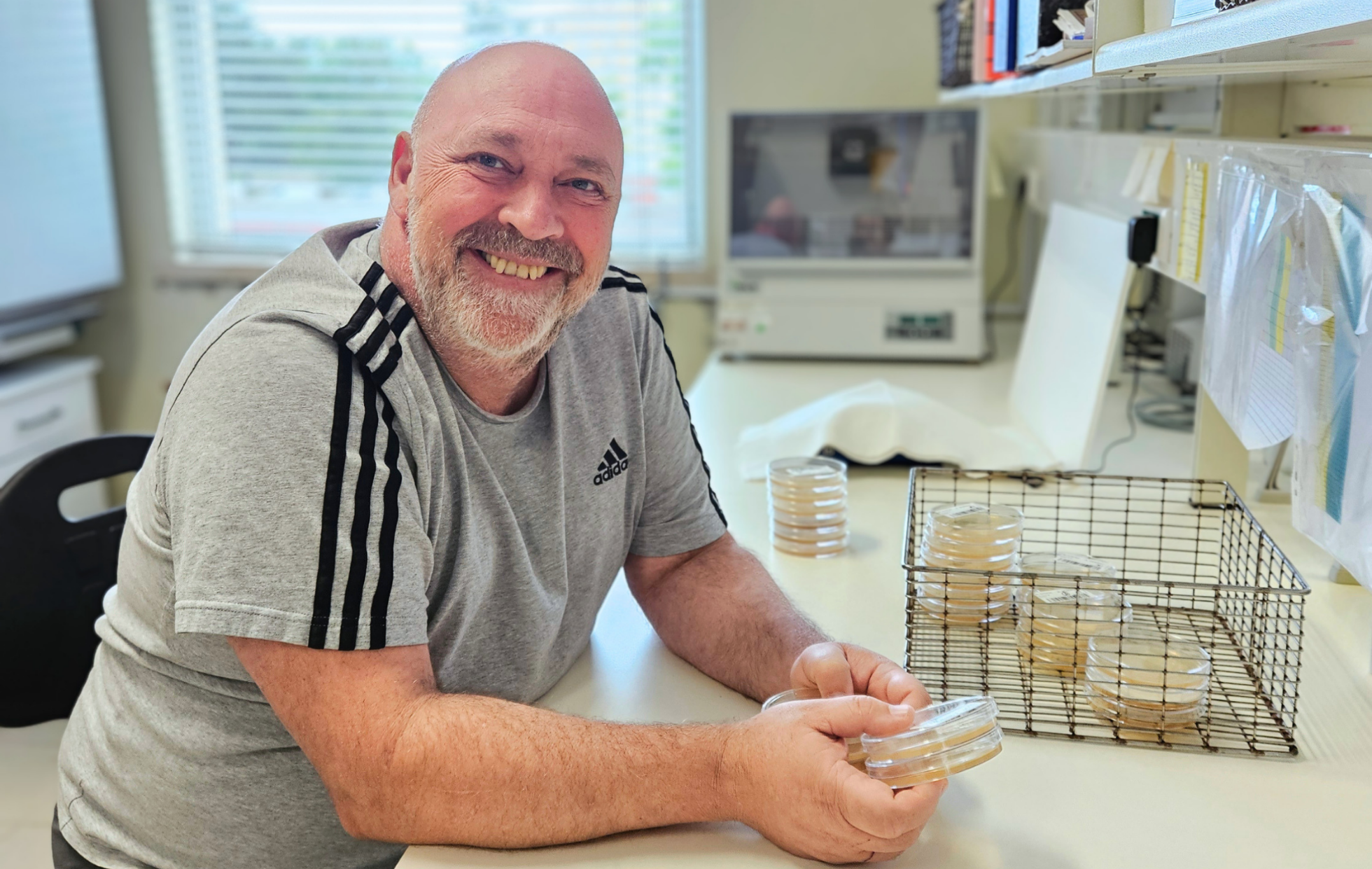
As well as summarising the available data on environmental contamination in Asia, the study identifies significant gaps in current surveillance and regulatory systems. The authors argue that antifungal resistance should be incorporated into water quality monitoring programmes, that environmental surveillance should be strengthened, and that coordinated strategies between countries should be promoted in order to reduce the spread of these resistant microorganisms.
This study emphasises the importance of considering the environment as a key factor in the prevention of antimicrobial resistance. By highlighting the link between water contamination and the emergence of resistant fungi, the study contributes to the development of more effective public health and environmental management policies at an international level.”
João Brandão
Integrating environmental, human and animal health within a ‘One Health’ approach will therefore be essential for anticipating risks and developing more effective strategies to curb the spread of antifungal resistance.
Related News
view all 47 s
Projeto pioneiro à escala continental dá origem ao Biogenoma Portugal, consórcio co-liderado por Vítor C. Sousa, dedicado à investigação que promete contribuir para a salvaguarda das espécies do país.
17 Sep 2024
Artigo revela como as perceções dos produtores de arroz sobre as aves aquáticas influenciam os desafios de conciliação entre a conservação da biodiversidade e a produtividade agrícola.
02 Jun 2026

Cristina Branquinho, Sofia Augusto e Helena C. Serrano são coautoras de um capítulo sobre os impactos das mudanças climáticas no nexo água-energia-alimentação-ecossistemas (WEFE) na bacia do Mediterrâneo, apresentado na COP29.
27 Nov 2024
Estudo chama a atenção para os compostos antifúngicos que têm sido libertados nos solos e nos rios.
25 May 2026