

A new study led by researchers at the Centre for Ecology, Evolution and Environmental Change (CE3C) has identified differences between males and females in the way the Arhgef10 gene contributes to the neuronal control of locomotion and wakefulness during ageing.
The Arhgef10 gene is associated with the regulation of cellular processes in the nervous system, and alterations in its function have been linked to neurological and locomotor disorders in humans. To better understand its function, the research team studied the corresponding gene in Drosophila melanogaster, analysing the impact of alterations to it on various behavioural and neuronal characteristics.
The researchers assessed the flies’ locomotor activity, wakefulness and sleep patterns, as well as various parameters relating to their gait. To determine in which types of cells gene activity is particularly important, genetic and microscopy-based approaches were also employed.
We all have this gene, ARHGEF10, which is known to play a role in controlling the physical characteristics of our cells, such as their shape, adhesion and movement. Variants and mutations in this gene are associated with various diseases of the nervous system — some of which are progressive (worsening with age or occurring only in older individuals) and others classified as neurodevelopmental disorders, with problems appearing at birth, during childhood, or whilst the nervous system is maturing in adolescence. How altered ARHGEF10 function causes these disorders is not yet known."
Alisson Gontijo
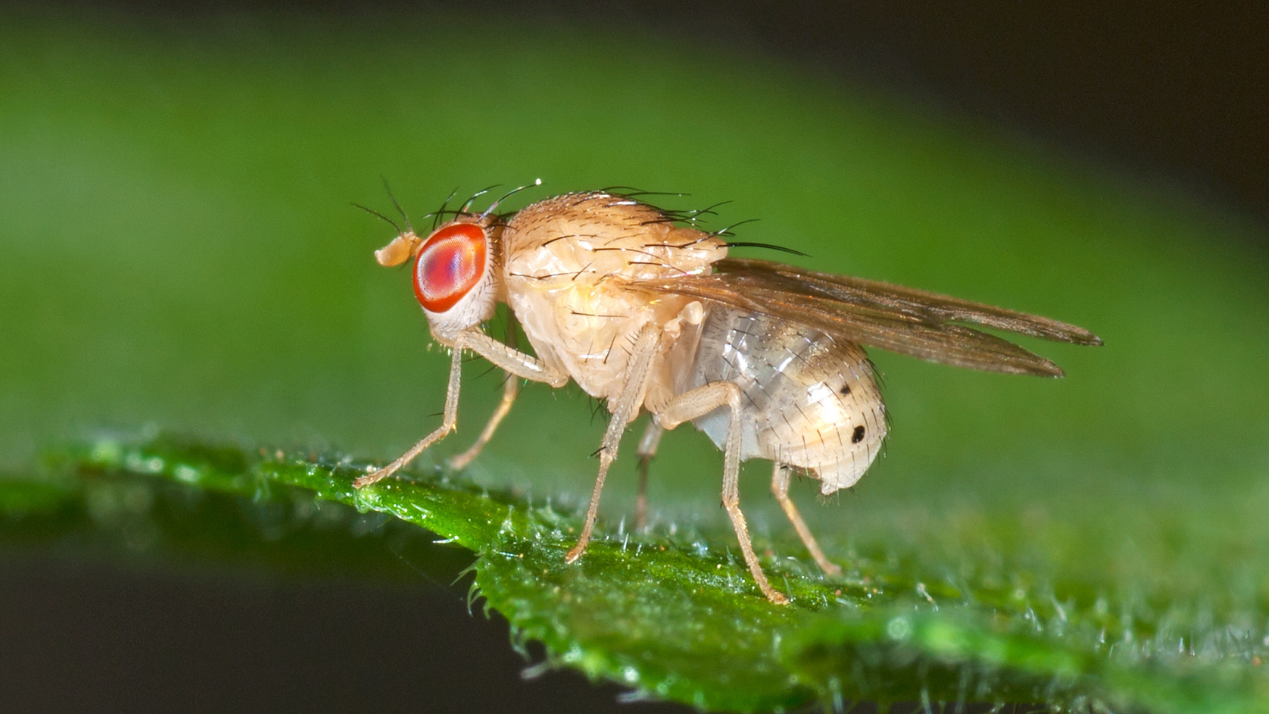
The results show that the absence of Arhgef10 affects locomotor ability differently in males and females. These differences become particularly evident as they age, with older females being the most affected. This suggests that the observed effects result primarily from the gene’s function in neurons rather than in muscle or glial cells. In females, the activity of the Arhgef10 gene in certain motor neurons has been shown to be particularly important for maintaining normal locomotion during ageing.
The study also identified differences between the two sexes with regard to the regulation of activity and wakefulness. Reduced expression of the Arhgef10 gene had a more significant impact on females, who showed changes in both wakefulness and locomotor speed. In males, different changes in the expression of this gene produced distinct effects on locomotor behaviour.
As in humans, abnormalities in the ARHGEF10 gene in the fruit fly also result in developmental defects and progressive disorders. Another interesting finding was that female and male fruit flies showed different susceptibilities to the loss of the ARHGEF10 gene. This type of sexual dimorphism is also common in neurological disorders associated with the human ARHGEF10 gene.
Alisson Gontijo
In addition to its effects on behaviour, the researchers have demonstrated that the Arhgef10 gene plays an important role in the development and functioning of the neural circuits involved in the control of movement. These findings contribute to a better understanding of the mechanisms that regulate locomotion and wakefulness, suggesting that these processes may be influenced differently by sex and ageing. The findings therefore reinforce the importance of taking these differences into account in studies on ageing, in order to deepen our understanding of the biological mechanisms underpinning behaviour throughout the lifespan.
We have shown that, without ARHGEF10, the fly’s motor neurons connect to its muscles in a different way. Could the same be true in humans? Other tools, such as organoids containing neuromuscular tissue (derived from human stem cells carrying mutations in ARHGEF10), could be used to test this hypothesis – a line of research that our laboratory is already pursuing."
Alisson Gontijo
The study involved CE3C researchers Mafalda Gualdino, Rebeca Zanini, Juliane Menezes, Fabiana Heredia, Andres Garelli and Alisson Gontijo, in collaboration with iNOVA4Health-Nova Medical School-UNL (PT), CONICET (AR) and Zeiss (DE).
Related News
view all 46 s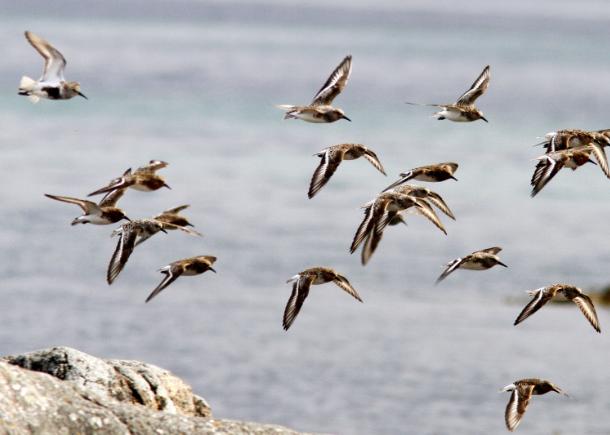
Estudo divulgado esta semana – assinado pela investigadora cE3c Maria Dias – veio revelar o que aconteceu (e continua a acontecer) em muitas das zonas húmidas mais importantes para aves em todo o mundo.
07 Nov 2022
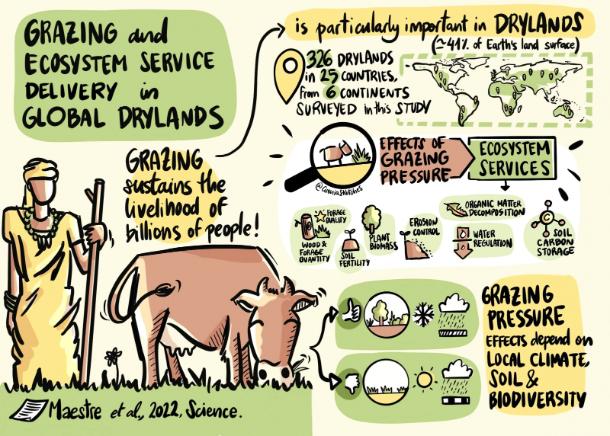
Alice Nunes e Melanie Köbel são co-autoras do artigo publicado na revista Science.
24 Nov 2022
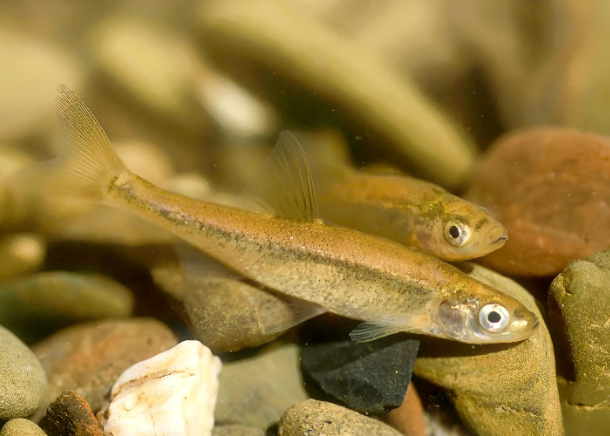
Projeto pioneiro à escala continental dá origem ao Biogenoma Portugal, consórcio co-liderado por Vítor C. Sousa, dedicado à investigação que promete contribuir para a salvaguarda das espécies do país.
17 Sep 2024
A study has identified a new tool for estimating body mass and determining the sex of this endangered species.
23 Sep 2026