
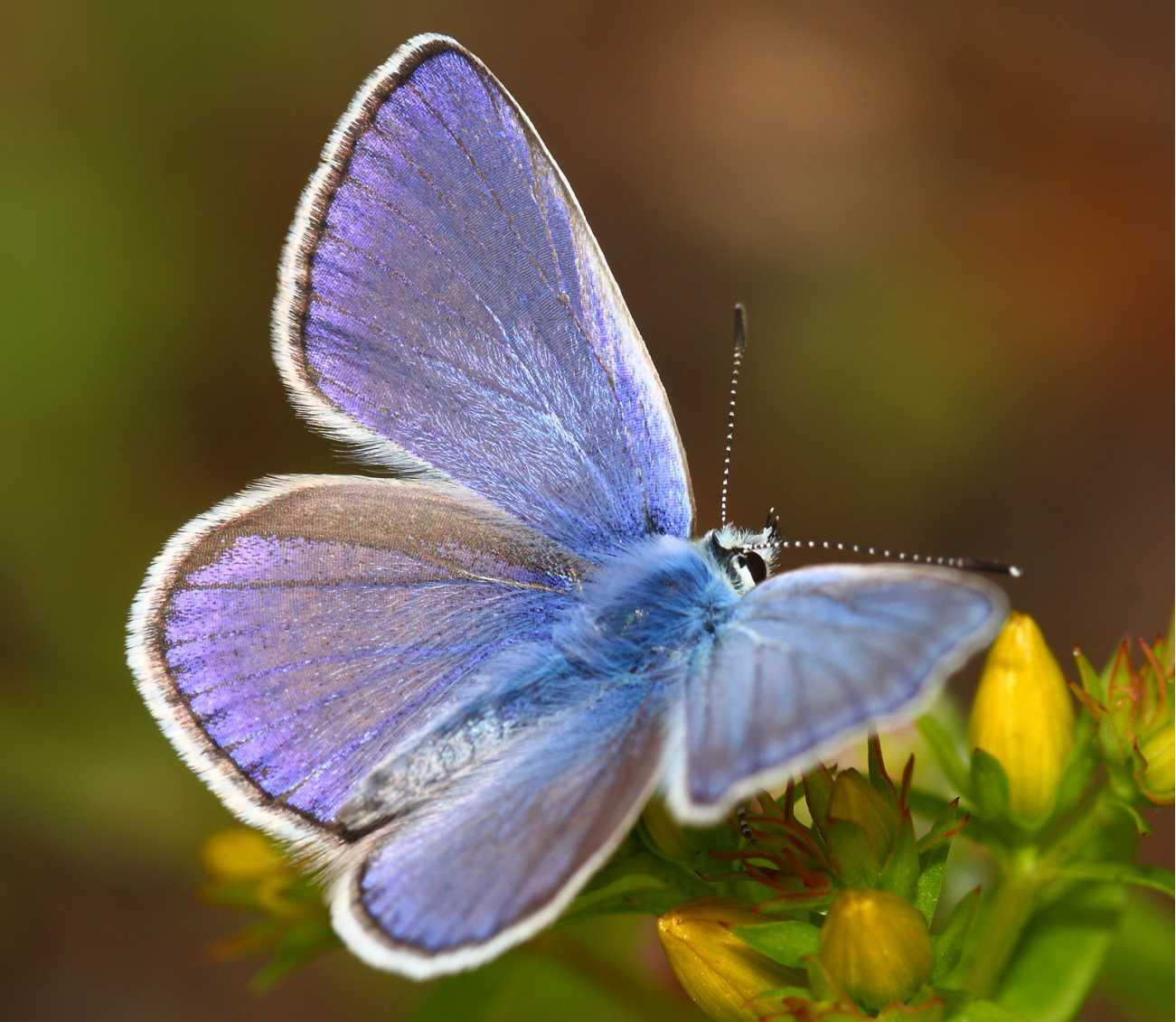
The study, published in Current Biology, which involved researchers Eduardo Marabuto and Tatiana Carina Moreira-Pinhal from the Centre for Ecology, Evolution and Environmental Change (CE3C) at the Faculty of Sciences of the University of Lisbon (ULisboa Sciences), identified a consistent association between the perceived beauty of butterflies and public attention, scientific research efforts and certain conservation priorities.
The study incorporates data from an international survey on the beauty of European butterflies, with over 21,000 responses from more than 100 countries, and cross-references this with information on scientific research, public attention and various nature conservation measures.
The results show that butterflies considered to be the most beautiful tend to attract greater attention from the public and researchers. This relationship is particularly relevant because public and scientific attention can influence which species are best known, studied and monitored over time.
The team identified what it terms a ‘beauty bias’, a bias associated with beauty: a tendency for human aesthetic preferences to be reflected, directly or indirectly, in the priorities assigned to different species.
This phenomenon does not mean that the most beautiful species are necessarily receiving undue protection or that their conservation is unimportant. The problem arises when aesthetic characteristics – which are not necessarily related to the risk of extinction – end up influencing research and conservation priorities.
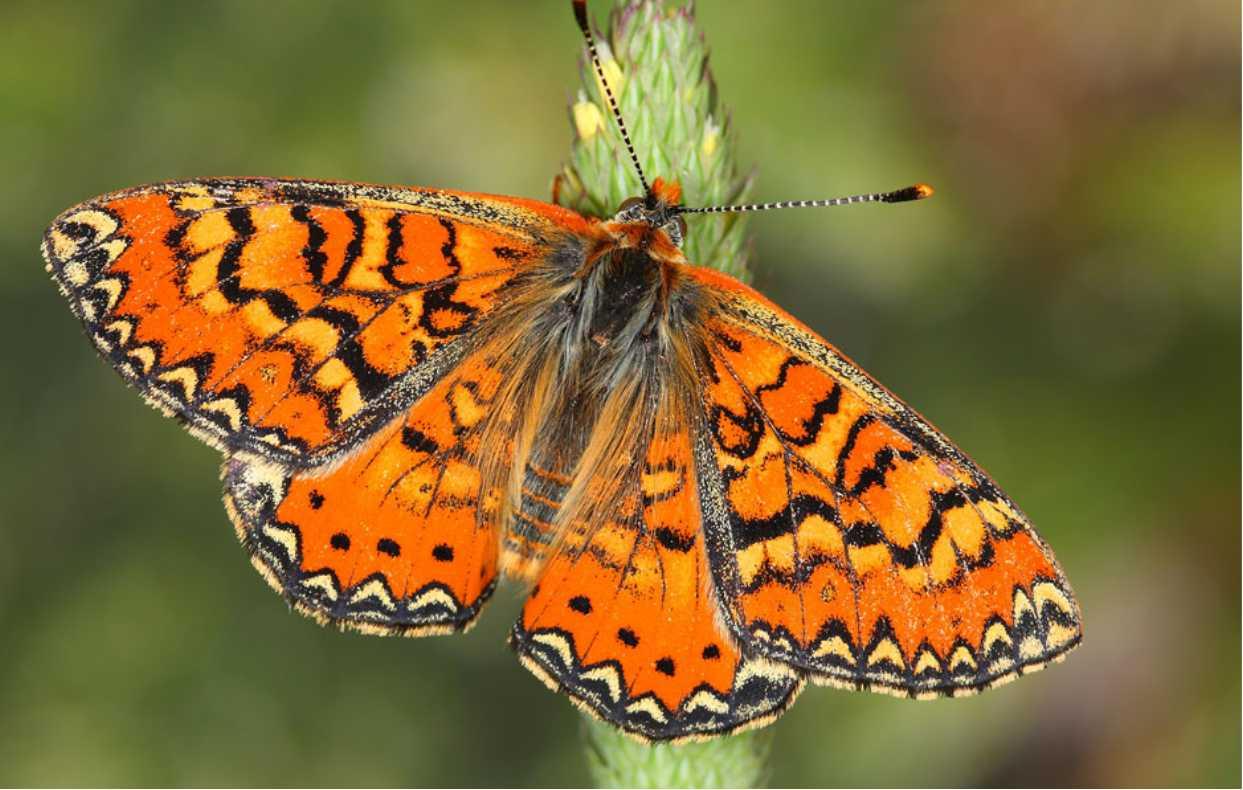
One of the most significant findings of the study is the existence of a link between the beauty of butterflies and their inclusion in key European conservation instruments.
The most visually appealing species are over-represented, in particular, in the Bern Convention and the European Union’s Habitats Directive. These instruments play a central role in defining priorities, funding and conservation actions, meaning that historical patterns may continue to influence current decisions (a phenomenon the authors have termed the ‘beauty loop’).
Beauty is a human characteristic, not a measure of the risk of extinction"
Eduardo Marabuto and Tatiana Carina Moreira-Pinhal
The idea is simple, yet important: an unremarkable species may be facing a far more serious conservation situation than another considered visually attractive.
Interestingly, the results paint a different picture when the IUCN’s European Red Lists are analysed. These do not show an over-representation of the most beautiful species and also identify less visually appealing species as threatened.
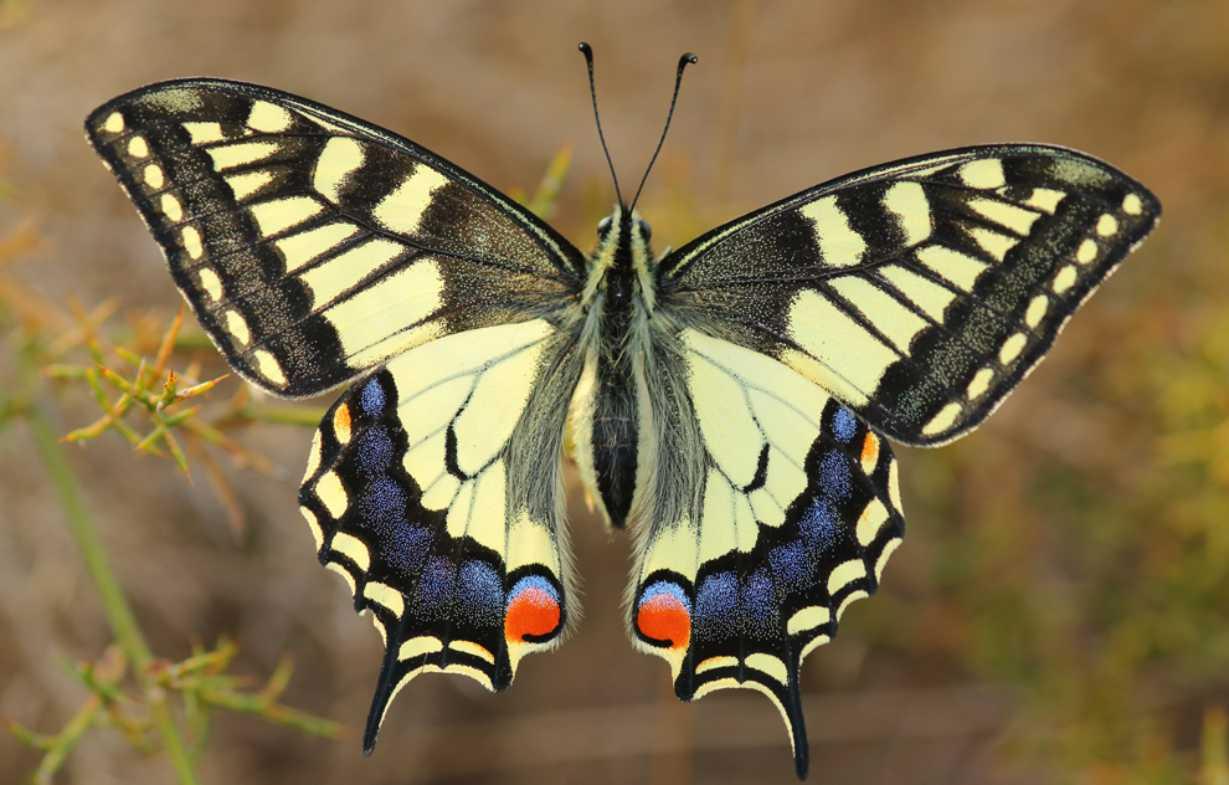
The most eye-catching butterflies tend to be photographed more often and recorded on platforms such as iNaturalist, which can lead to biases in the data used to assess species’ distribution and risk of extinction. Whilst biological rarity explains much of the association between the number of records and the risk of threat, patterns of human observation can influence conservation assessments.
Biodiversity data repository platforms partly reflect and accumulate the patterns of attention and perception of their users. It is therefore important to take this behavioural bias into account when the data are used in scientific studies, in assessing the status of populations, and in conservation decisions.”
Tatiana Carina Moreira-Pinhal
The absence or scarcity of records does not necessarily mean that a species is absent or that there is less need for protection. The international team, led by Leonardo Dapporto and Mariagrazia Portera of the University of Florence, argues that these biases must be taken into account when using opportunistic observation data and biodiversity platforms to support conservation decisions.
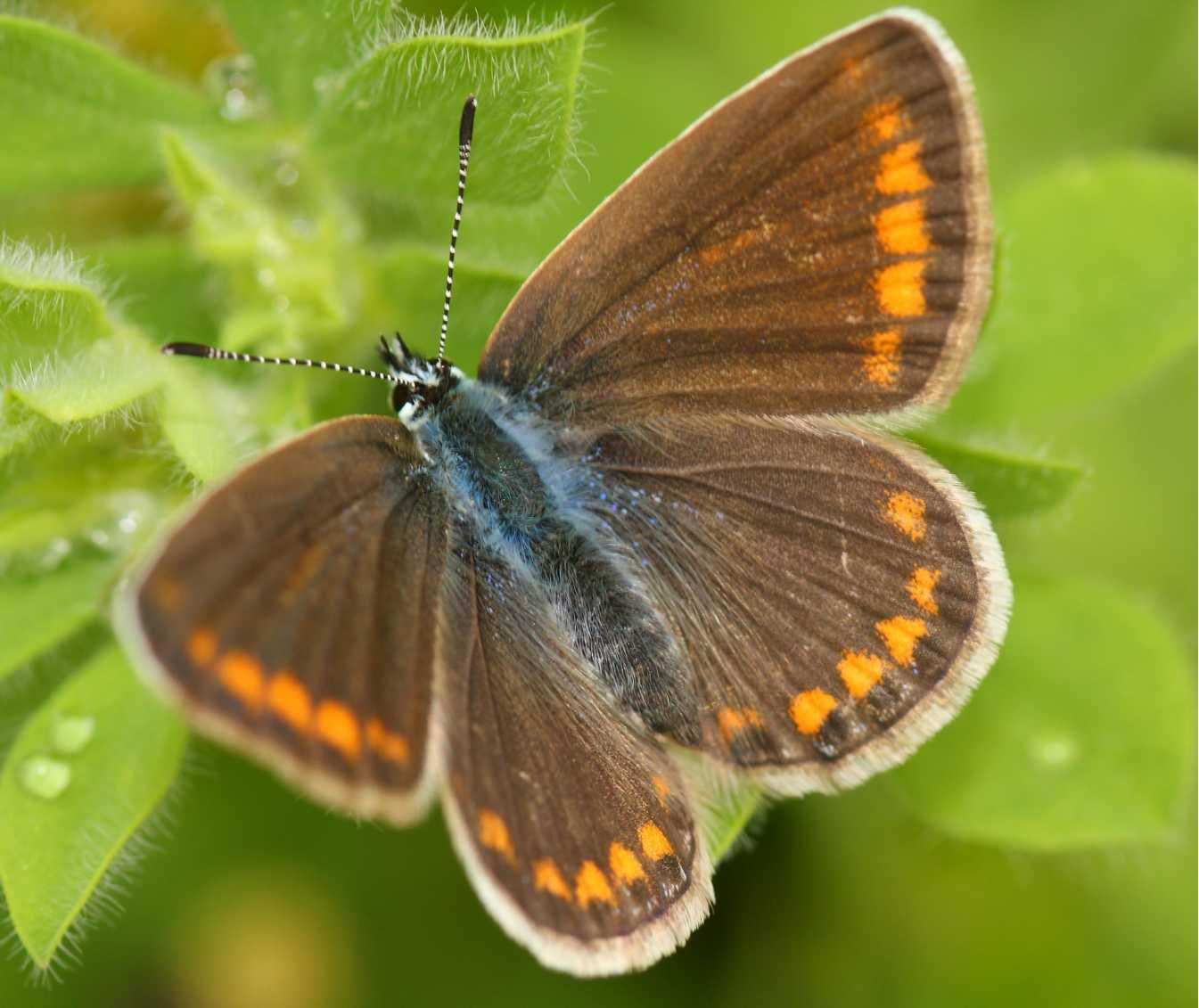
For the authors, recognising the existence of a bias associated with beauty is a first step towards making conservation decisions more balanced and in line with the true ecological urgency.
The aim is not to stop valuing charismatic or visually appealing species, which play an important role in raising public awareness of biodiversity. On the contrary, it is about ensuring that lesser-known or less ‘beautiful’ species are not overlooked simply because they attract less human attention.
If the most colourful and charismatic species are found in the same habitats as rarer butterflies, they can be used as “flagship species” – true symbols for the conservation of an entire community, which is in fact the most important aspect of conservation."
Eduardo Marabuto
“Butterflies are an excellent example of how our preferences can influence the way we view and study biodiversity,” explain the researchers. Recognising these biases could contribute to more transparent conservation decisions based on the actual ecological needs of species.
Related News
view all 44 s
Este estudo contribui para o conhecimento da espécie e destaca o potencial das alterações cromáticas como bioindicador.
06 May 2026
Investigadores alertam para o facto das barreiras linguísticas poderem estar a comprometer metas globais de conservação da natureza em regiões com elevada biodiversidade. Estudo é assinado pelos investigadores CE3C Maria Dias e Ricardo Rocha.
03 Oct 2025
Ana Rita Carlos, Sólveig Thorsteinsdóttir e Susana Martins lideram estudo que abre portas a novas terapias para distrofia muscular congénita.
08 Oct 2024
Descendente de progenitores sicilianos, planta da família das margaridas surgiu no Reino Unido, escapou de jardim botânico e partiu à conquista da região durante a Revolução Industrial.
11 Sep 2024