

A study led by researchers from the Centre for Ecology, Evolution and Environmental Change (CE3C) at the Faculty of Sciences, University of Lisbon, shows that the dimensions of a single tooth can provide relevant information on the body size and sex of the Iberian wolf (Canis lupus signatus), a threatened subspecies found exclusively on the Iberian Peninsula.
Published in the journal The Anatomical Record, the study analysed the lower first molar, or carnassial tooth, of 78 Iberian wolf specimens from scientific collections, collected between 1900 and 2006. The researchers demonstrated that the length of this tooth can be used to estimate the body mass of these animals. On average, the estimates obtained differ by only 2.4 kg from the actual body mass.
The analysis also revealed clear sexual dimorphism: males have, on average, body masses 21.4 per cent greater than females, based on recorded weights, and 11.6 per cent greater when body mass is estimated from the tooth. The tooth’s morphometry also made it possible to distinguish between males and females with an accuracy of approximately 79 per cent.
Our study shows that a single tooth can provide valuable information about the biology, ecology and evolution of the Iberian wolf, particularly when we do not have a complete skeleton.”
Leonardo Cotts
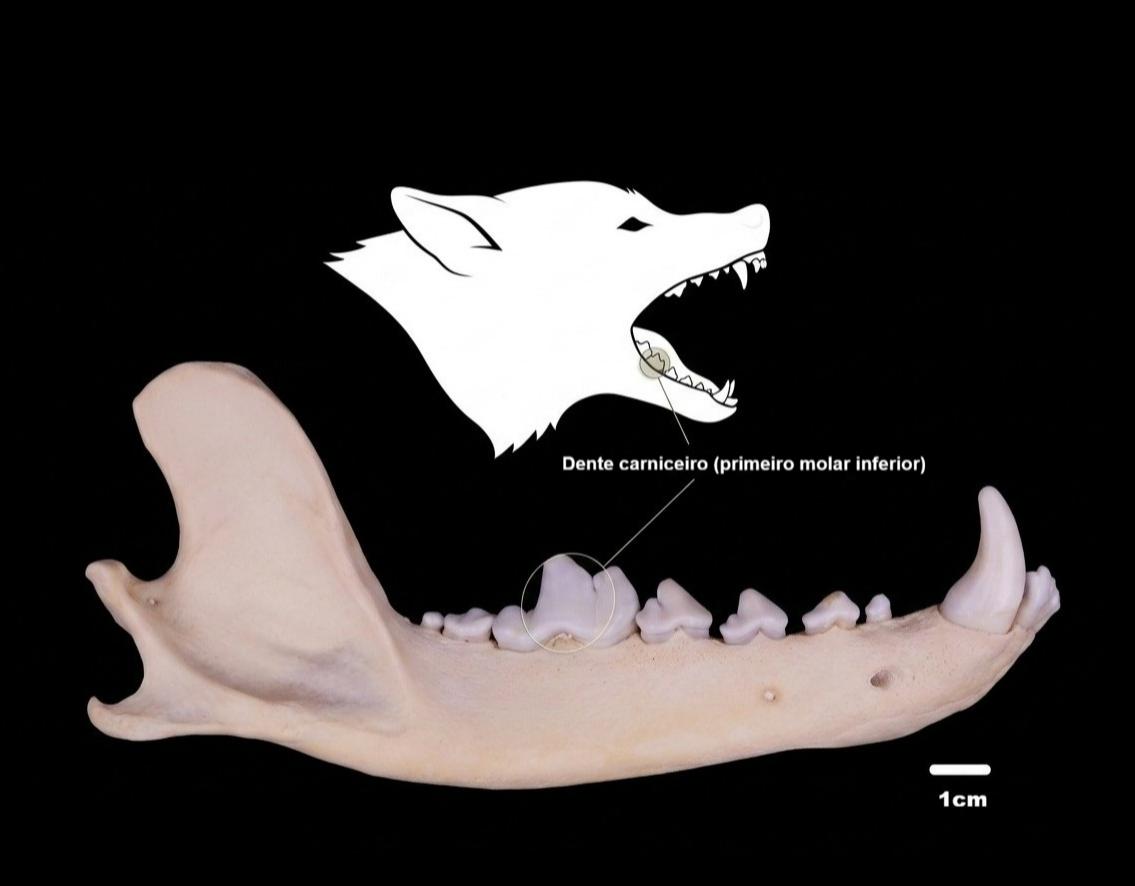
The methodology developed may prove particularly useful in the study of museum specimens and remains found in the field, enabling information to be obtained on the size and sex of the animals without the need for live animals or complete carcasses. This approach may contribute to ecological studies, population monitoring and the conservation of the Iberian wolf.
Understanding the variation in body size between males and females is important for understanding the ecology of the species, particularly the relationship between size, behaviour and resource use”
Maria da Luz Mathias
The study also analysed possible differences between wolves from the regions north and south of the River Douro, finding no significant differences in the estimated body mass of adult males. Compared with other canids of the genus Canis, the Iberian wolf has an intermediate average body mass, being larger than species such as the coyote and the jackal, but smaller than some larger wolves, such as the Canadian grey wolf.
The results of this research highlight the importance of museums beyond their role as exhibition venues, demonstrating the value of scientific collections as an invaluable resource for research into biodiversity and conservation.”
Leonardo Cotts
This research was carried out through a bilateral partnership between the University of Lisbon and the State University of Rio de Janeiro, and was funded by the Carlos Chagas Filho Foundation for Research Support in the State of Rio de Janeiro.
Related News
view all 45 s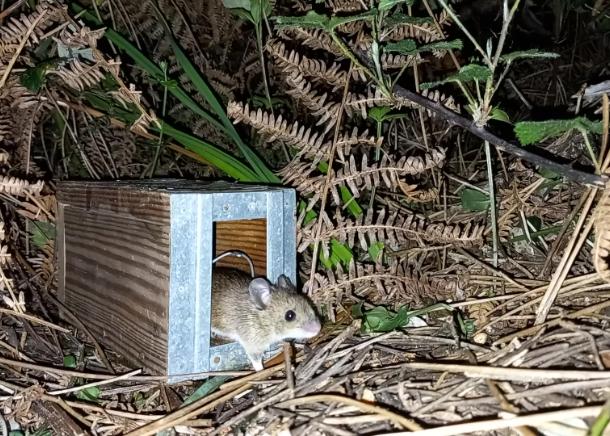
Este estudo reforça a necessidade de melhores práticas científicas e de bem-estar animal.
13 May 2026
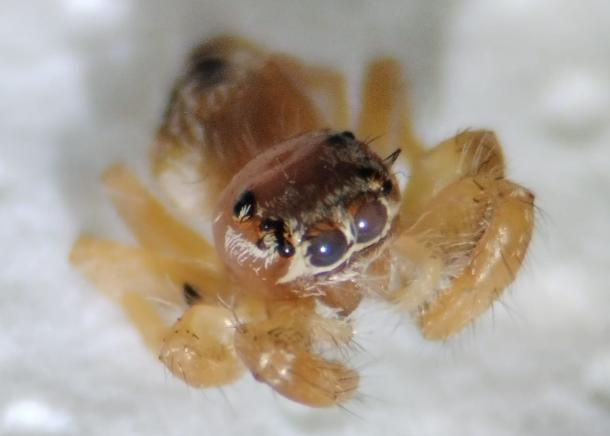
Biodiversidade nas margens das vinhas pode reduzir a dependência de tratamentos fitofarmacêuticos.
02 Jul 2026
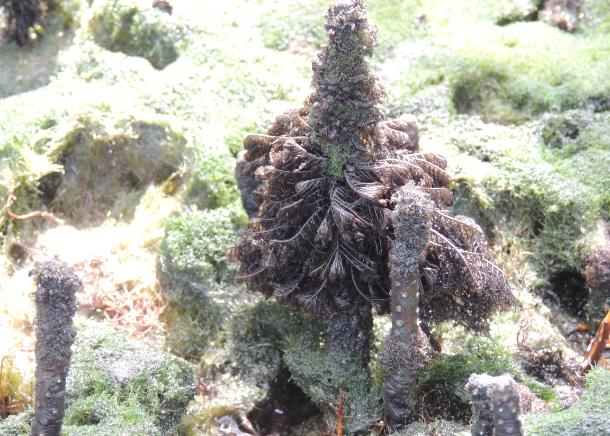
Estudo identifica 16 espécies de macroalgas no arquipélago dos Bijagós, incluindo 11 nunca antes registadas na Guiné-Bissau.
23 Jun 2026
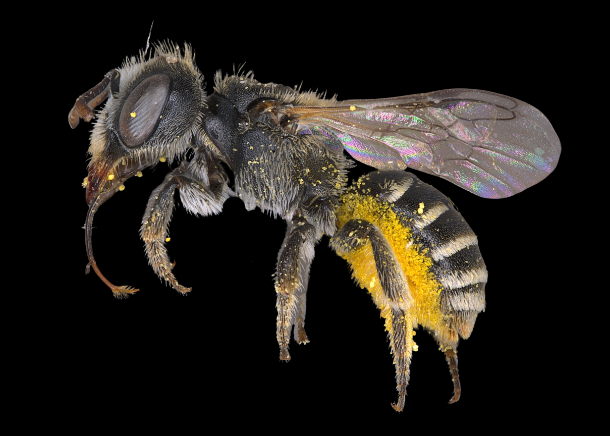
O estudo liderado por Roberto A. Keller digitalizou mais de 5.200 registos da coleção de abelhas do MNHNC, resultando na descoberta de uma nova espécie para Portugal.
06 Jul 2026