
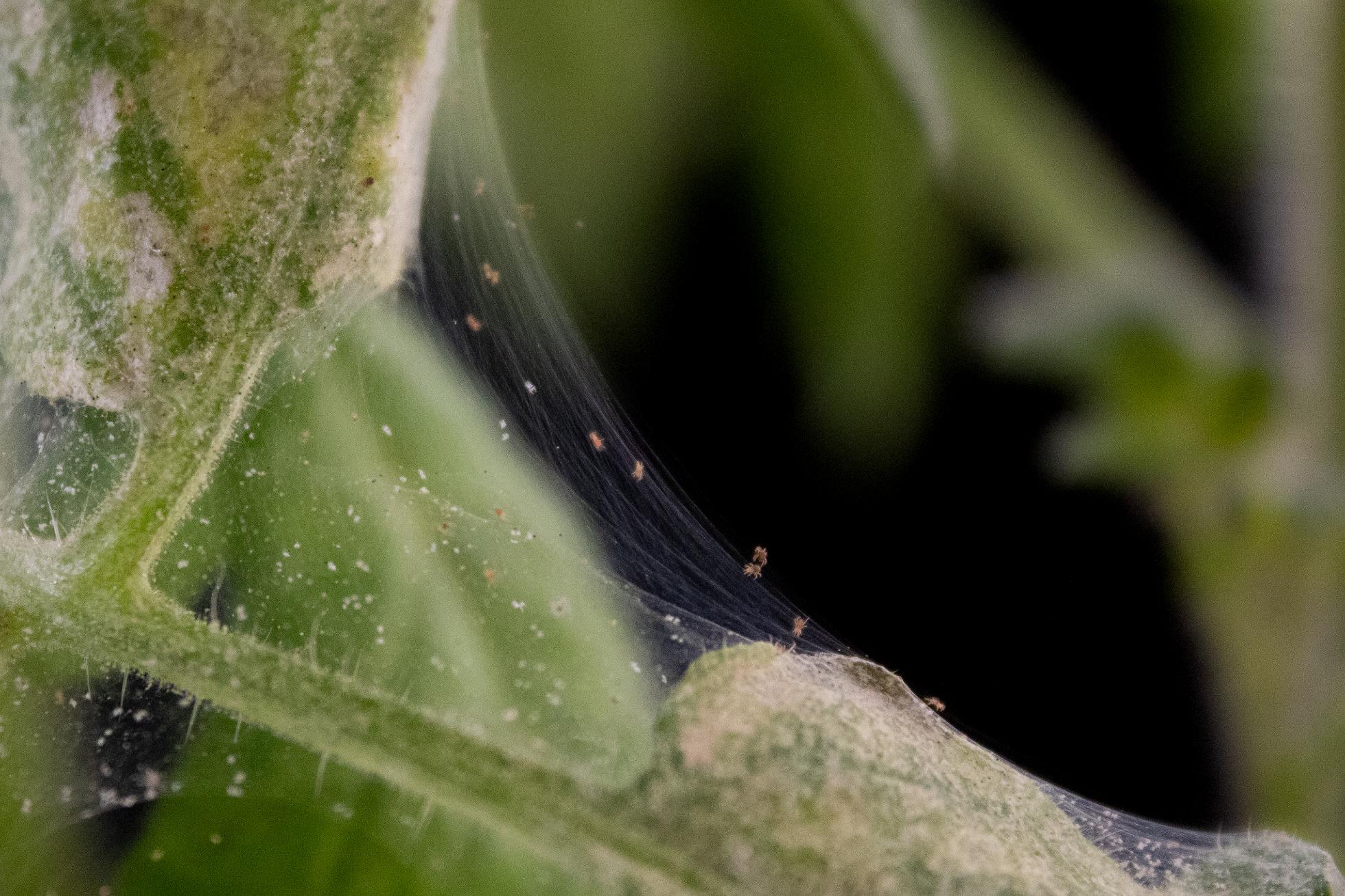
Coexistence between species is one of the first elements in the formation of an ecosystem. However, understanding how this coexistence is established and maintained requires looking beyond ecological interactions: it is also necessary to consider how the characteristics of the populations underlying the capacity for coexistence evolve.
This aspect is often overlooked. Furthermore, when we consider the effect of evolution on coexistence, we tend to envisage evolution taking place either in the presence of a competitor or in its absence. Yet the characteristics that influence the ability to compete with other species are often the very same ones that enable adaptation to other factors. Thus, evolution in response to an environmental change can have unexpected consequences for interspecies relationships.
It was precisely this question that prompted a study carried out by researchers at the Centre for Ecology, Evolution and Environmental Change (CE3C), entitled ‘Within-host adaptation in two ectoparasitic mites modifies their likelihood of coexistence via competition-colonisation trade-offs’. The research analysed how adaptation to a cadmium-containing environment influences the coexistence of two mite species, Tetranychus urticae and Tetranychus evansi, both of which are pests of agricultural crops.
To understand this relationship, the researchers monitored several generations of mites on tomato plants, under conditions both with and without cadmium. This metal can accumulate in plant tissues and affect the organisms that feed on them. After several generations of evolution under these conditions, the researchers assessed how the evolutionary history of the two species influenced local competition and dispersal between different leaves of the plant.
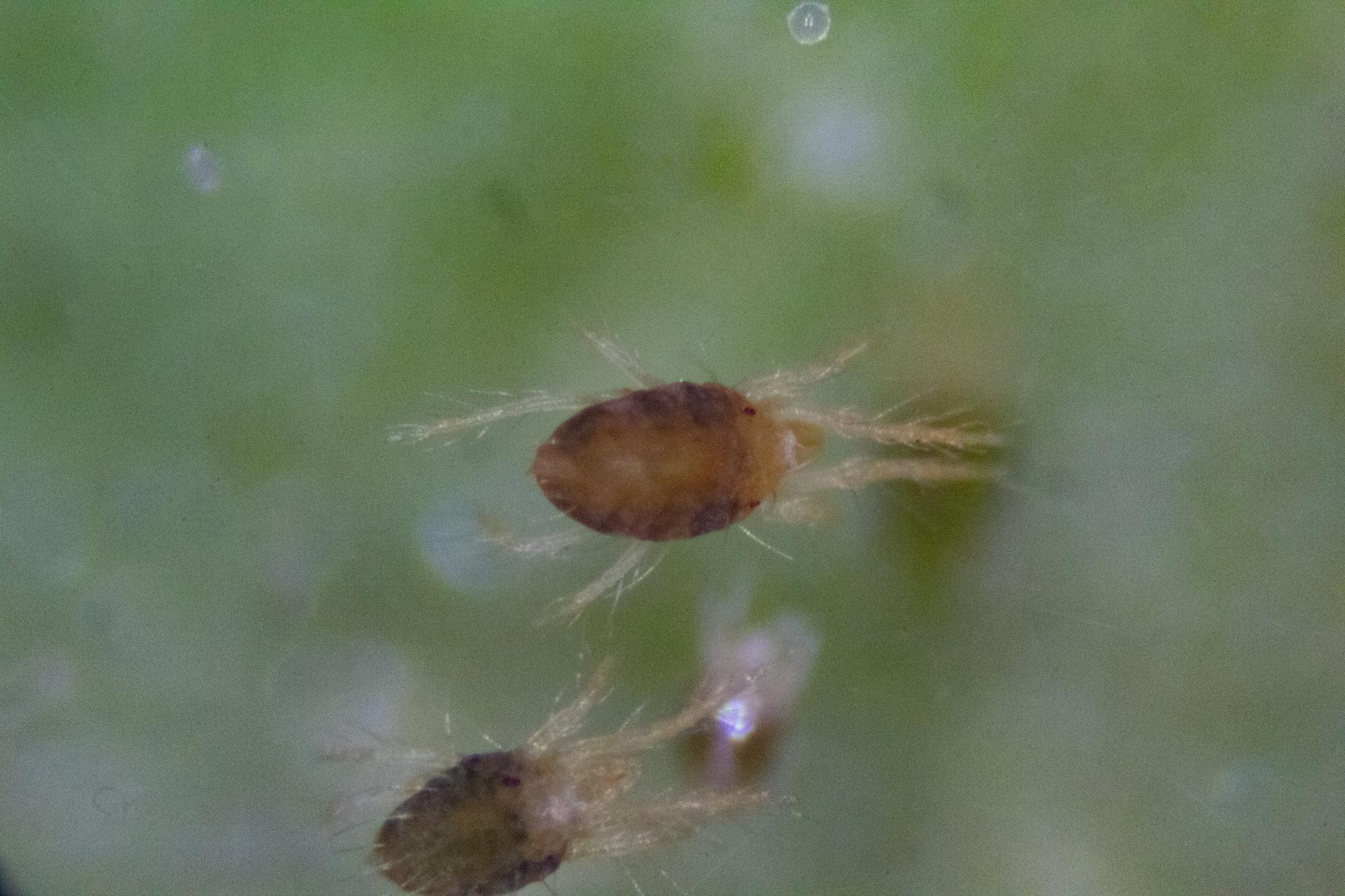
The study took into account two aspects of coexistence that are often studied separately. On the one hand, local competition, based on differences in growth rate and sensitivity to intra- and inter-specific competition. On the other hand, the dispersal and colonisation of new areas, via the so-called competition-colonisation trade-off: the possibility that a species might compensate for lower competitive ability through a greater capacity for dispersal and for colonising available habitats.
The results showed that coexistence between the two species was possible, but depended on their combinations of evolutionary history. The less competitive species, Tetranychus urticae, showed a greater tendency to disperse than Tetranychus evansi. Furthermore, adaptation to a cadmium-contaminated environment altered dispersal patterns and, consequently, the prospects for coexistence. In other words, evolution in response to environmental change can modify competition and dispersal relationships in such a way as to create opportunities for the persistence of species that would otherwise be at a disadvantage.
These results show that it is not enough to know the competitive characteristics or dispersal capacity of each species in order to predict whether they can coexist. It is equally important to understand how these characteristics have evolved and how adaptation to new environmental conditions can alter interactions between species. Coexistence is therefore not merely a consequence of the species’ current ecological characteristics, but also of their evolutionary history.
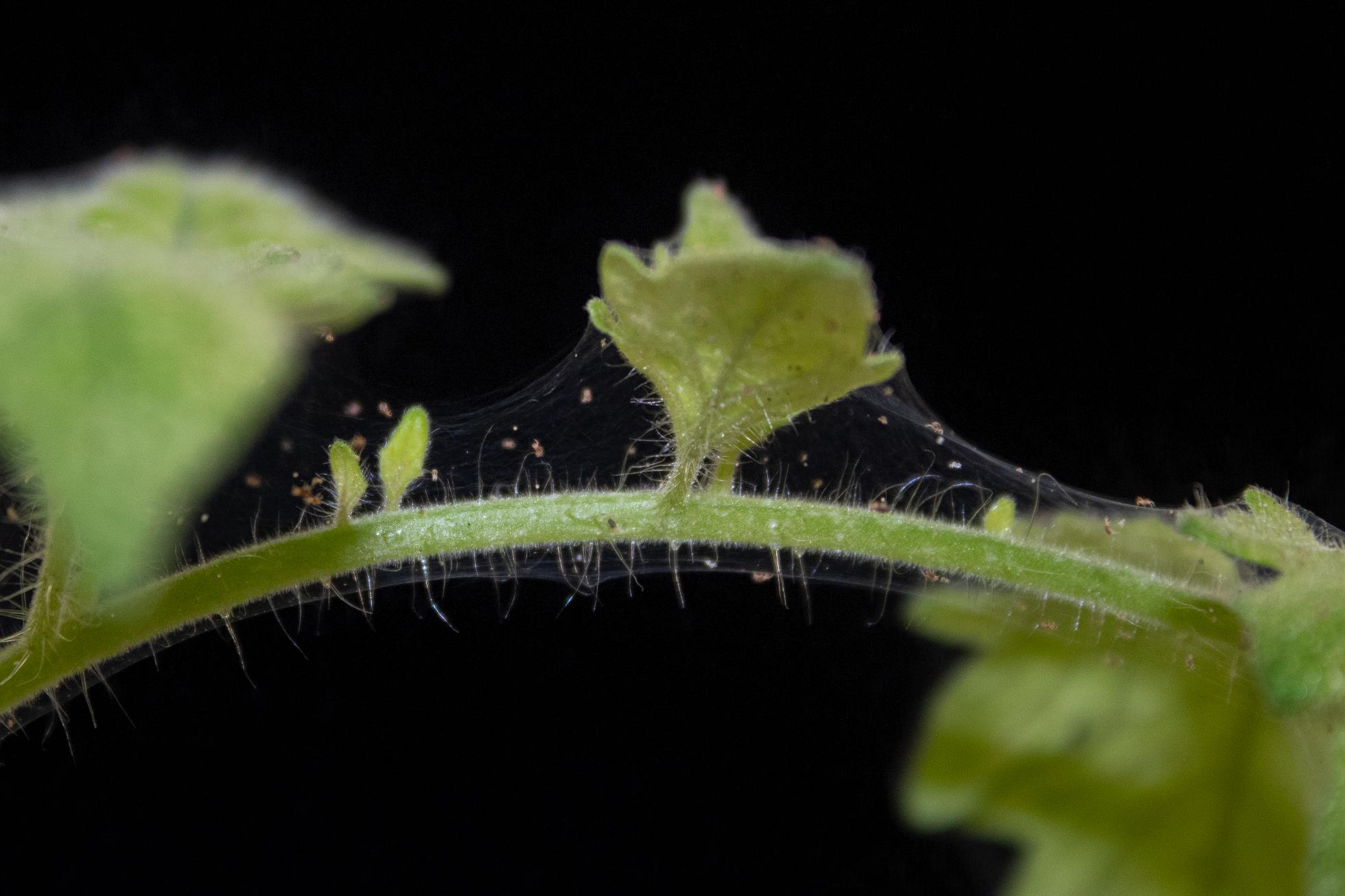
The study is also of particular relevance to agriculture. By investigating adaptation to cadmium – a contaminant that can accumulate in tomato plants – and by using two species of mites that are agricultural pests, this research helps us to understand how environmental changes can influence the relationships between organisms, thereby affecting agricultural production systems. These relationships may be particularly important in the context of pest management, where the dispersal and colonisation of new plants or crops can alter the distribution and persistence of different species.
By integrating evolution, local competition and dispersal, this work contributes to a more comprehensive understanding of the mechanisms that enable coexistence between species and of how adaptation to environmental changes can influence the structure of ecological communities.
Related News
view all 50 news
Mais de 80 por cento das aves de rapina portuguesas podem estar contaminadas por raticidas anticoagulantes, ameaçando a conservação de várias espécies, revela um estudo publicado em novembro por uma equipa do CE3C-Ciências ULisboa e da Universidade de Gran Canaria.
18 Dec 2025
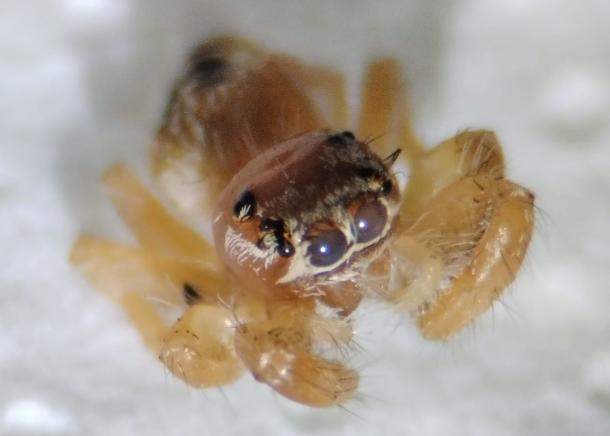
Biodiversidade nas margens das vinhas pode reduzir a dependência de tratamentos fitofarmacêuticos.
02 Jul 2026
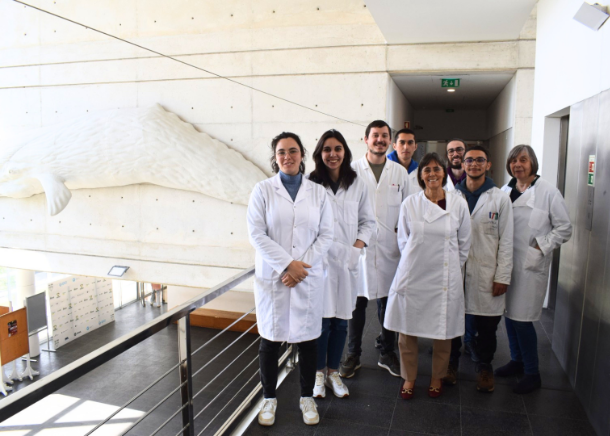
Publicado estudo sobre alternativas mais sustentáveis aos métodos tradicionais de extração de polifenóis para a sua aplicação a nível industrial.
28 May 2026
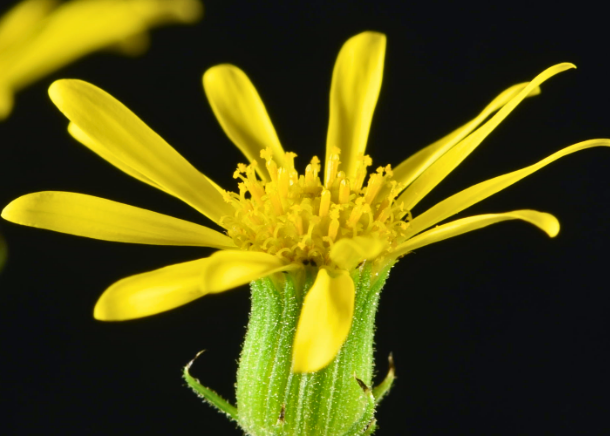
Descendente de progenitores sicilianos, planta da família das margaridas surgiu no Reino Unido, escapou de jardim botânico e partiu à conquista da região durante a Revolução Industrial.
11 Sep 2024