
A new research study shows that the effects associated with laminin-α2 deficiency – which causes a rare form of congenital muscular dystrophy – may extend beyond the muscles. Using an animal model (mice), the study identifies, for the first time, alterations in cellular mechanisms associated with the response to oxidative stress in the heart, kidneys and liver as early as the initial stages of the disease.
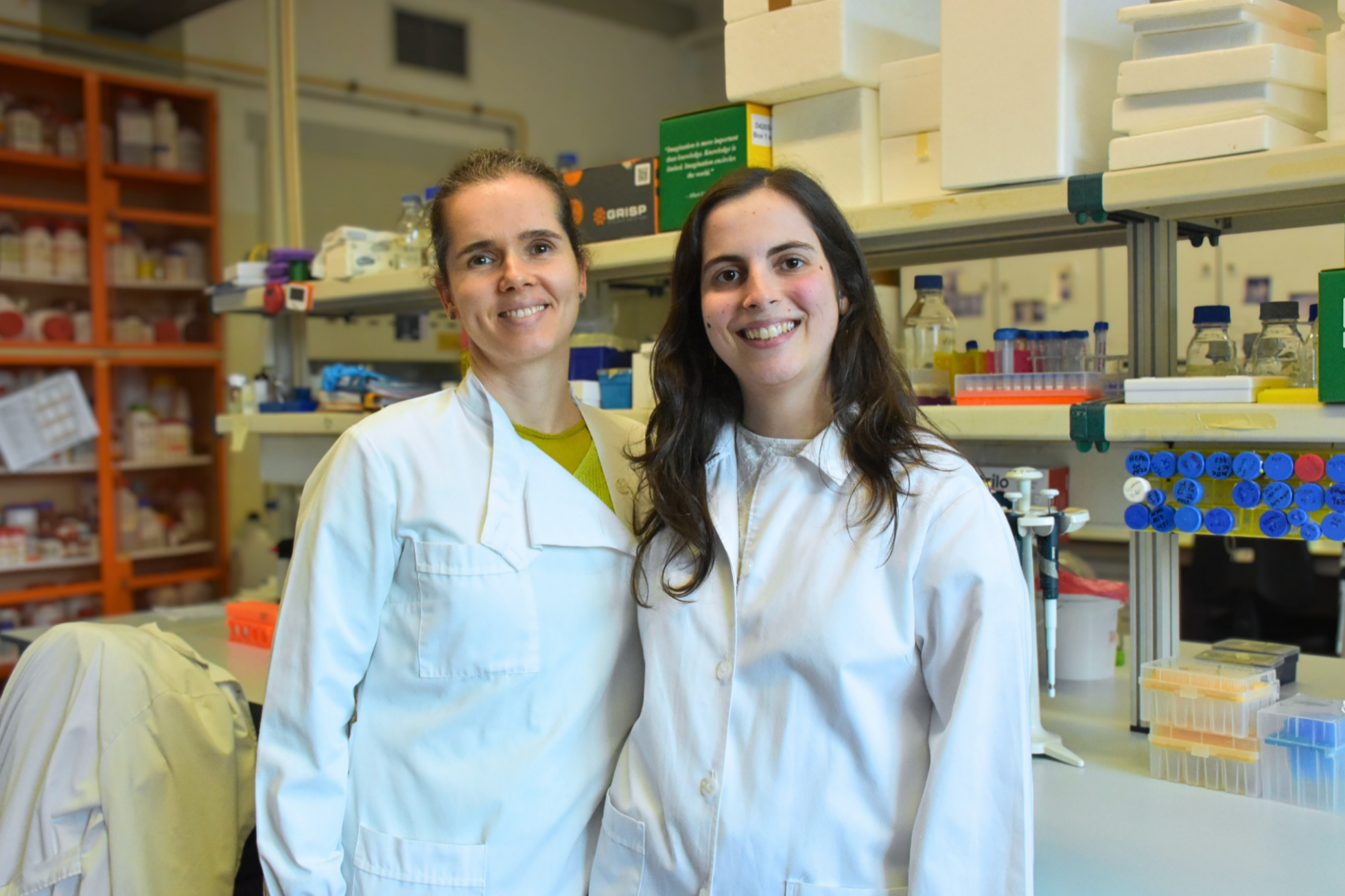
Published in the scientific journal Free Radical Biology and Medicine, the study led by Ana Rita Carlos and Susana Martins, researchers at CE3C – Centre for Ecology, Evolution and Environmental Change, investigated congenital muscular dystrophy, known as LAMA2-CMD. This rare neuromuscular disorder is caused by mutations in the LAMA2 gene, which is responsible for producing laminin-α2, a protein that plays a structural role and facilitates communication between cells and their surrounding environment, and is particularly important in skeletal muscle.
To date, much of the research into this disease has focused on skeletal muscle, where the absence of laminin-α2 leads to muscle fibre degeneration, inflammation and severe muscle weakness. In 2024, the same team demonstrated that this deficiency disrupts various cellular mechanisms during muscle development. The new study, which has now been published, goes a step further and seeks to understand whether its effects are also present in other organs from the early stages of the disease.
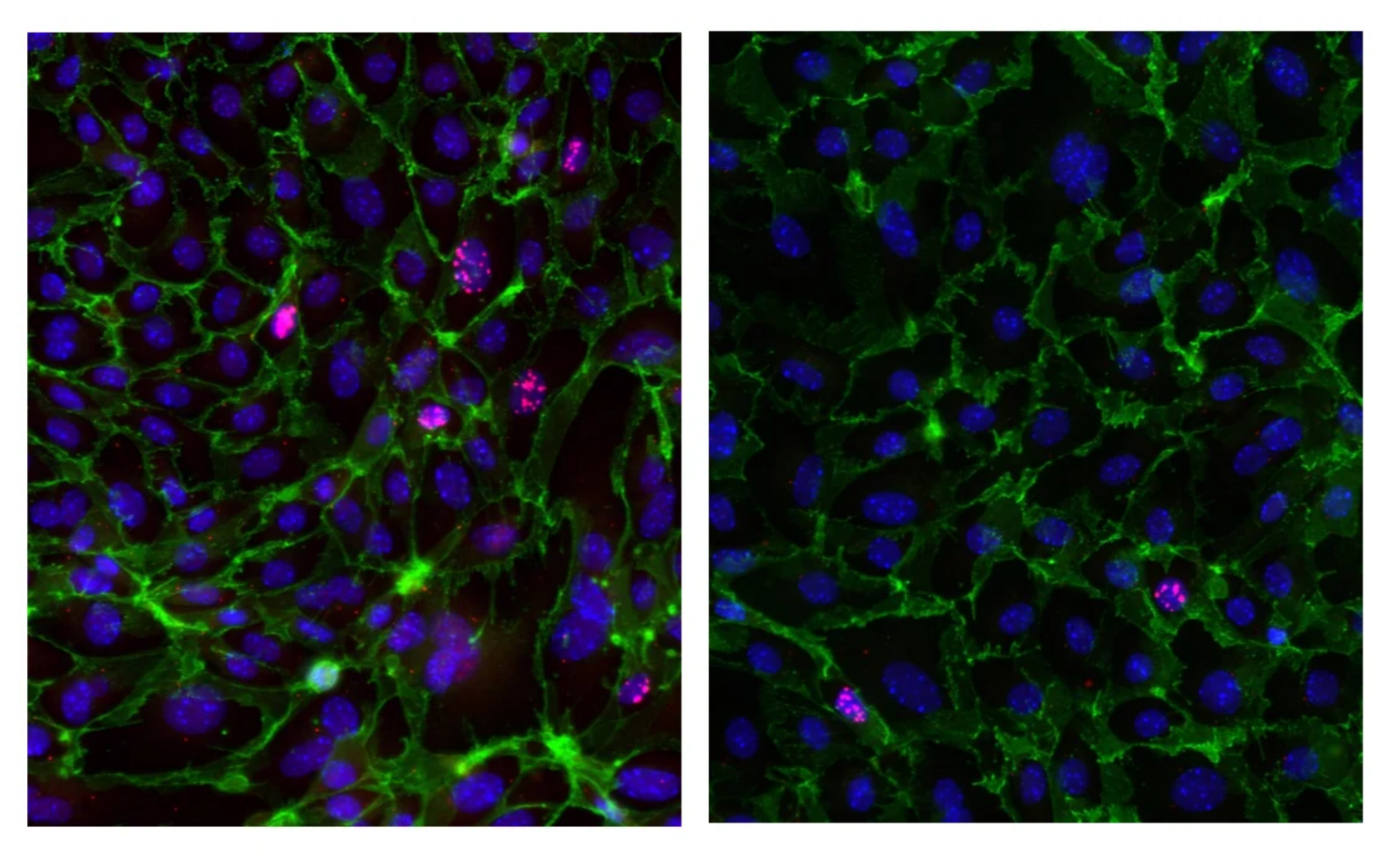
Using a mouse model, the researchers analysed the heart, kidneys and liver during foetal development, at a stage corresponding to the onset of the disease in this model. The results revealed changes in all three organs in the mechanisms involved in balancing the production of oxidising molecules against the cells’ antioxidant defences, known as the redox balance.
Research into LAMA2-CMD has mainly focused on skeletal muscle, where the effects of the disease are most evident. However, laminin-α2 also plays important roles in other tissues. We therefore wanted to find out whether a deficiency of this protein causes cellular changes in these organs right from the early stages of the disease."
Susana Martins
Among the organs analysed, the kidney stood out for exhibiting the most pronounced changes in the molecular parameters studied. Changes were identified relating to the function of mitochondria – structures responsible for a large proportion of a cell’s energy production – and to metabolism. In kidney cells studied in isolation in the laboratory, some of these changes persisted, suggesting that certain effects are directly related to the absence of laminin-α2 in the cells themselves.
Monitoring for renal abnormalities is particularly important because, although renal dysfunction is not considered a primary clinical manifestation of LAMA2-CMD, renal abnormalities have previously been reported in some patients.
LAMA2-CMD is a rare condition, with an estimated incidence of 10 to 14 cases per million people in Europe, but one that has a very severe impact on the families affected. Our findings suggest that laminin-α2 deficiency may affect various organs from very early stages of development. This broader perspective may be important for a better understanding of the disease and for the development of future therapies. Although many of the strategies currently under investigation focus on skeletal muscle, our data suggest that, in the long term, it may be necessary to consider more comprehensive therapeutic approaches that address the systemic impact of laminin-α2 deficiency."
Ana Rita Carlos
The study also involved Mafalda Pita, who is also a co-first author of this study, Vanessa Ribeiro, Hebe Lameirão-Ferreira, Carlos Gravato and Sólveig Thorsteinsdóttir, researchers at CE3C, part of CIÊNCIAS ULisboa, as well as researchers from the University of Dundee in the United Kingdom.
Related News
view all 49 s
Investigadoras CE3C Alice Nunes e Cristina Branquinho integram equipa de autores de mais 27 países e colocam o montado do Baixo Alentejo no mapa.
16 Sep 2024

Estudo chama a atenção para os compostos antifúngicos que têm sido libertados nos solos e nos rios.
25 May 2026

Estudo internacional da coautoria de Paulo Borges, avalia o risco de extinção e propõe medidas para reforçar a sua conservação a nível global.
11 May 2026

O primeiro genoma de referência do Priolo abre novas perspetivas para compreender a evolução desta espécie única dos Açores e reforçar a sua conservação.
16 Jun 2026