
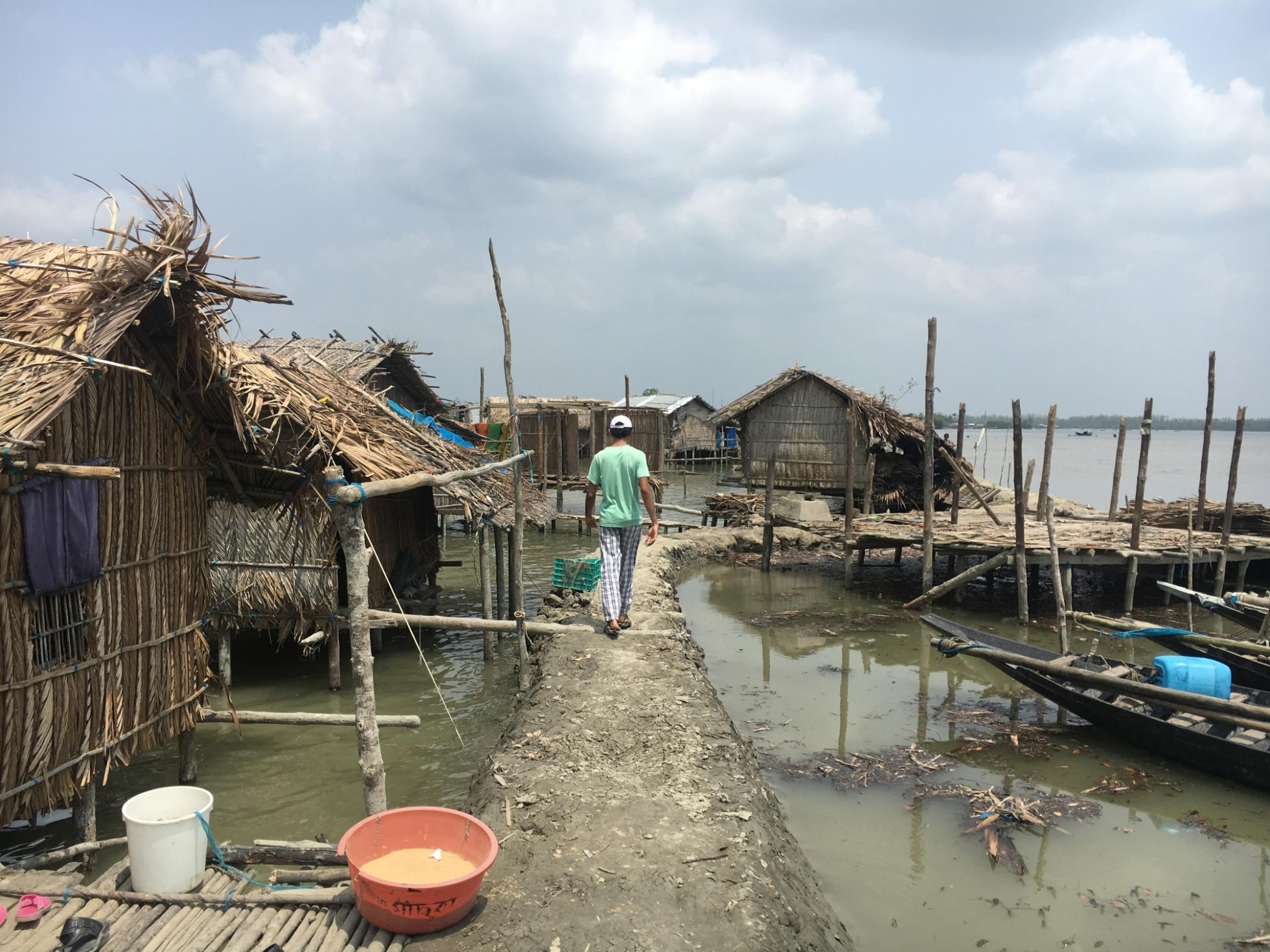
The coastal regions of south-western Bangladesh are facing a range of growing threats linked to climate change, including rising sea levels, flooding, saltwater intrusion and freshwater scarcity. These climatic hazards directly affect agricultural production, food security and the livelihoods of rural communities.
Within this context, a new study, published in the scientific journal Frontiers in Sustainable Food Systems, sought to identify and evaluate nature-based solutions adopted by the communities themselves to tackle these challenges. The research involved researchers from CE3C (Centre for Ecology, Evolution and Environmental Change), Bishwajit Roy and Tiago Capela Lourenço, in collaboration with researchers from Bangladesh and Canada.
The research was carried out in two coastal communities, Sutarkhali and Banishanta, in Dacope Upazila of Khulna District and combined focus group discussions, community consultations and a survey of 251 households.
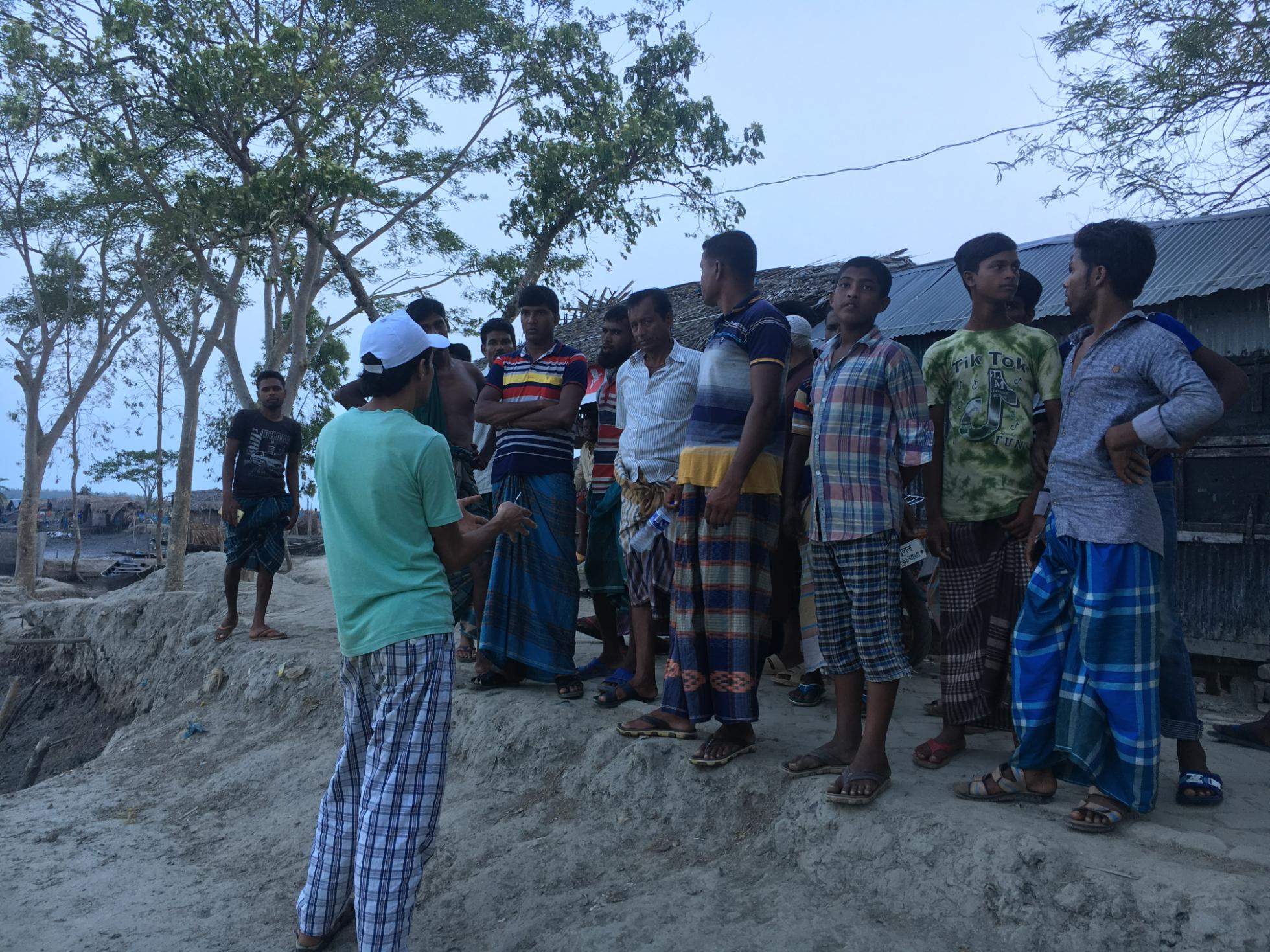
The researchers identified a diverse range of adaptation practices that reflect the different environmental and socio-economic conditions of the communities. Based on farmers’ own assessments, measures such as compost, salt-tolerant crop varieties and improved groundwater quality were rated favourably, although rankings differed between the two communities.
Researchers also found that no single solution applies to all contexts: the perceived effectiveness and benefits of the measures differed between the two communities, reflecting differences in environmental conditions, resource availability, market access and livelihoods. Therefore, the authors emphasise the importance of developing adaptation strategies tailored to the ecological and socio-economic characteristics of each territory.
The populations under study are continuously adapting to the impacts of climate change, actively developing, testing and adjusting different practices to respond to changing environmental conditions.
Coastal farming communities in Khulna are already using a wide range of nature-based measures, and households perceive them as reducing vulnerability and supporting livelihoods. But performance differs between communities, so adaptation planning has to start from local knowledge and local conditions.”
Bishwajit Roy
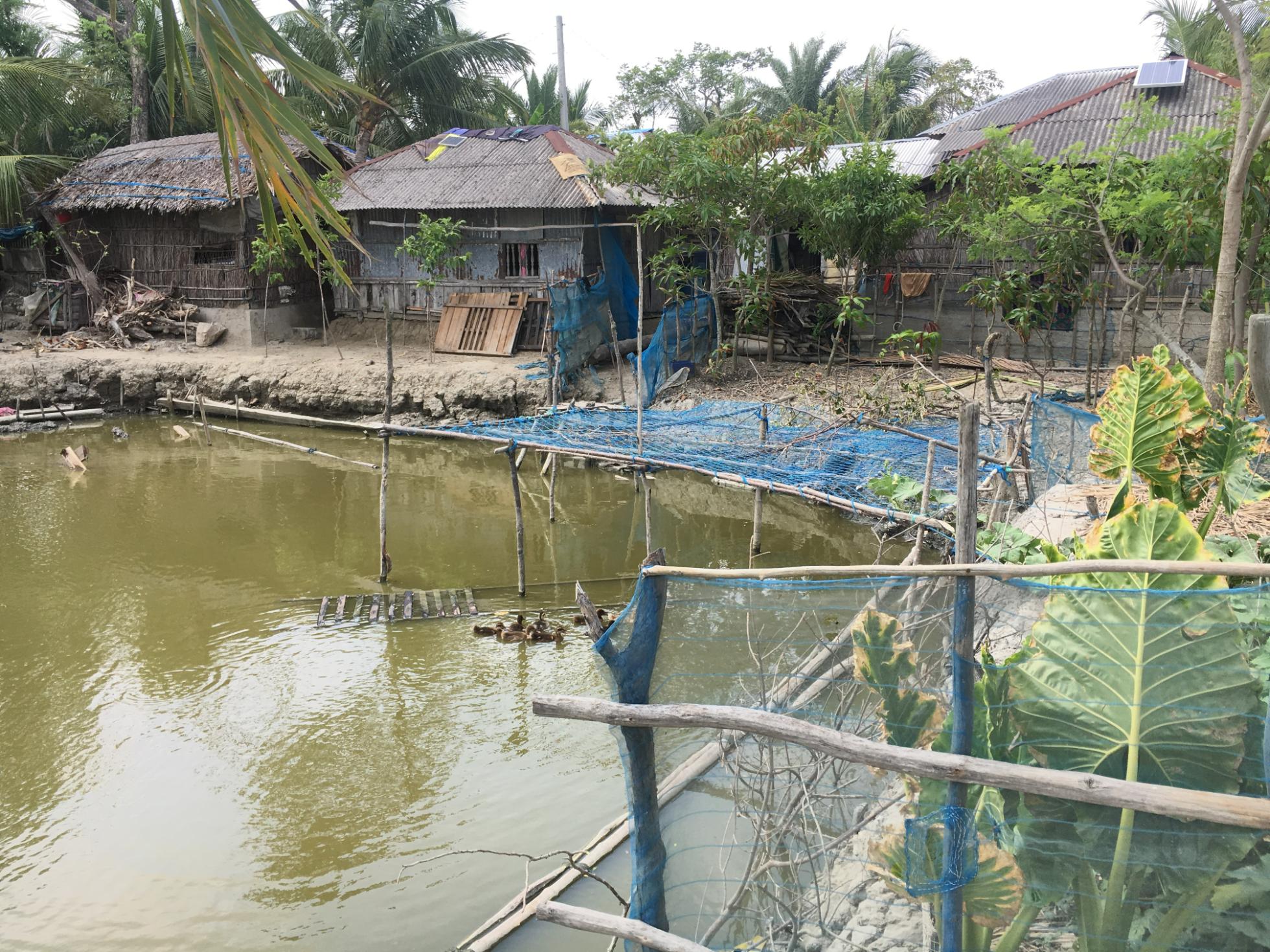
The study also examined how the identified measures reflect the eight criteria of the IUCN Global Standard for Nature-based Solutions. This was not a formal assessment against the standard, but the evidence from households and communities suggests that these community-led practices embody key principles, including addressing societal challenges, inclusive local participation and adaptive management. Because the evidence rests on community perceptions rather than direct ecological or monitoring data, the authors rate it as moderate for several criteria and identify long-term economic and financial planning as an area where alignment could be strengthened.
We did not carry out a formal assessment against the IUCN Global Standard, but these community-led practices reflect many of its principles. For them to last, they need to be embedded in national adaptation planning, with institutional support and long-term financing.”
Tiago Capela Lourenço
The authors therefore advocate integrating locally grounded nature-based solutions and local knowledge into Bangladesh’s national adaptation strategies, notably the ‘Bangladesh Delta Plan 2100’ and the ‘National Adaptation Plan’, through participatory approaches, knowledge-sharing and implementation tailored to local circumstances. The study also stresses that continued institutional support and, financing will be needed to sustain these interventions and calls for longitudinal monitoring in future research.
Related News
view all 48 s
Alice Nunes e Melanie Köbel são co-autoras do artigo publicado na revista Science.
24 Nov 2022

Ana Rita Carlos, Sólveig Thorsteinsdóttir e Susana Martins lideram estudo que abre portas a novas terapias para distrofia muscular congénita.
08 Oct 2024

Novo estudo liderado por Guilherme Oyarzabal e Paulo Borges revela que artrópodes endémicos do arquipélago rumam à extinção devido à degradação da floresta nativa e propagação de espécies invasoras.
05 Sep 2024

An international study reveals that butterfly species perceived as the most beautiful receive greater public and scientific attention and are over-represented in some European conservation measures.
21 Sep 2026