
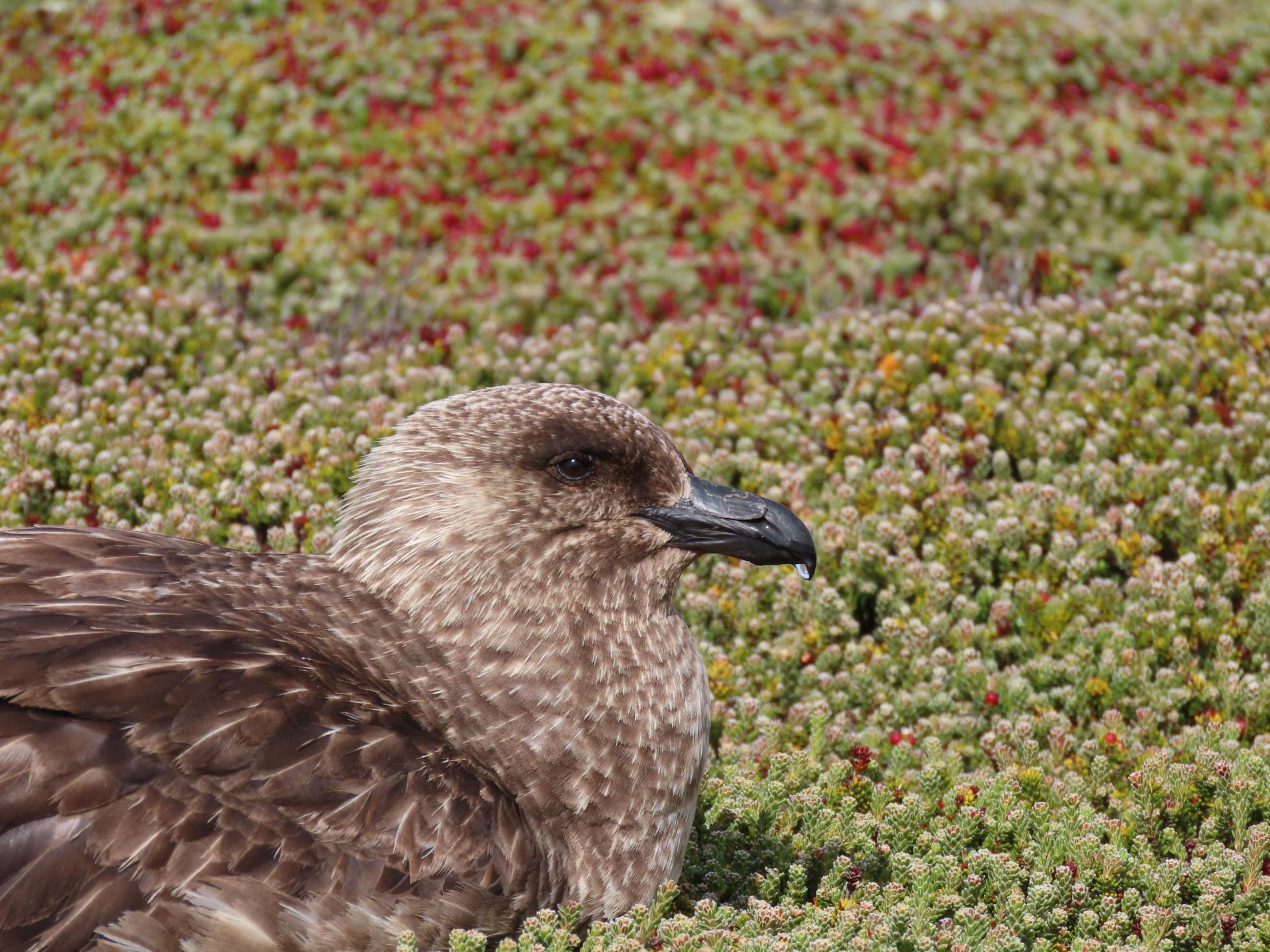
A study led by researchers from CE3C – Centre for Ecology, Evolution and Environmental Change (Faculty of Sciences, University of Lisbon) and MARE – Centre for Marine and Environmental Sciences (ISPA – University Institute) in collaboration with Falklands Conservation, reveals that the two largest known colonies of the Falkland brown skua (Stercorarius antarcticus antarcticus) have followed opposite population trends over the last 14 years. The findings were published in the scientific journal Polar Biology.
Between 2009 and 2023, researchers monitored breeding populations on 18 islands in the Falkland Islands (Malvinas) archipelago, in the South Atlantic, off the coast of Argentina. The colony on New Island, previously the largest known, recorded a 26 per cent decline, falling from 333 to 246 occupied territories. In contrast, the population on Steeple Jason Island increased by 50 per cent, from 222 to 332 territories, making it currently the largest known colony of the species.
It was surprising to find that, in just over a decade, the two largest colonies had reversed their relative positions in terms of population size. These results show that different populations of the same species, even when nesting on relatively nearby islands, may be subject to different environmental pressures, resulting in distinct population trends. This study reinforces the importance of monitoring several colonies over time to better understand the factors that shape population dynamics and to support the conservation of the species."
Edna Correia, researcher at CE3C and the lead author of the study.
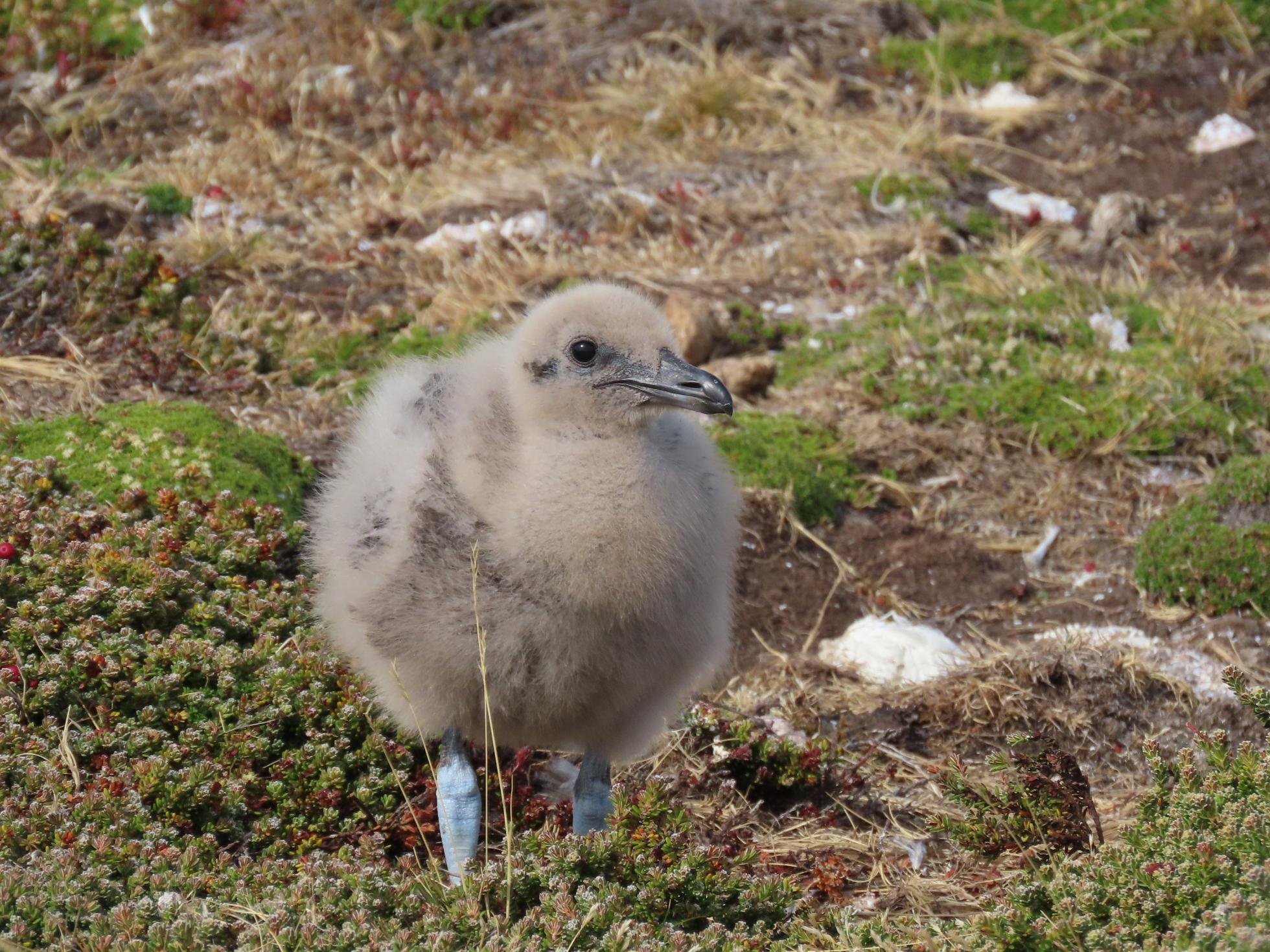
The researchers suggest that these differences may be linked to food availability and reproductive success. The Falkland shearwater is a predatory and opportunistic seabird that feeds on fish, eggs and the young of other birds, as well as the carcasses of marine animals. Changes in the availability of these resources may influence its reproductive success and population dynamics.
On Steeple Jason Island, population growth may be linked to the recent establishment of a breeding colony of South American fur seal (Arctocephalus australis), which provides new food sources, such as carcasses and placentas. On New Island, however, researchers observed a higher proportion of empty nests and clutches containing just a single egg, indicators of lower breeding success. The authors also point to competition for food with the striped caracara (Daptrius australis) and a possible decline in the population of the slender-billed prion (Pachyptila belcheri), a small seabird that is one of the Falkland skua’s main prey species, as possible factors.
Although the Falkland brown skua is currently classified as ‘Least Concern’ by the International Union for Conservation of Nature (IUCN), recent genomic studies suggest that these birds are more closely related to the Chilean skua (Stercorarius chilensis) than previously thought. This revision of the taxonomic classification implies that its global range and population may be smaller than previously thought, reinforcing the importance of the Falkland Islands for the conservation of this seabird.

The study also revealed that, although most individuals return to breed in the colony where they were born, there is some dispersal between islands. This behaviour may help to explain the growth of colonies with more favourable ecological conditions and underlines the importance of monitoring several populations simultaneously to understand the species’ dynamics.
The study was funded by the Foundation for Science and Technology (FCT), through strategic funding allocated to CE3C and MARE, and by the Government of the Falkland Islands, through the Environmental Studies Budget.
Related News
view all 43 s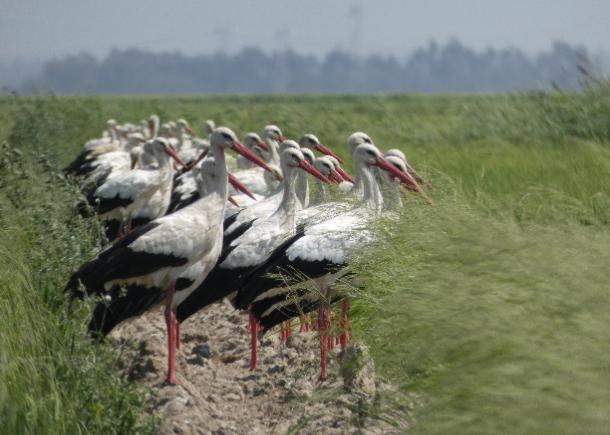
Artigo revela como as perceções dos produtores de arroz sobre as aves aquáticas influenciam os desafios de conciliação entre a conservação da biodiversidade e a produtividade agrícola.
02 Jun 2026

A study published in Scientific Reports (part of the Nature Portfolio) brings good news, but scientists warn of the need to maintain active protection strategies
11 Sep 2026
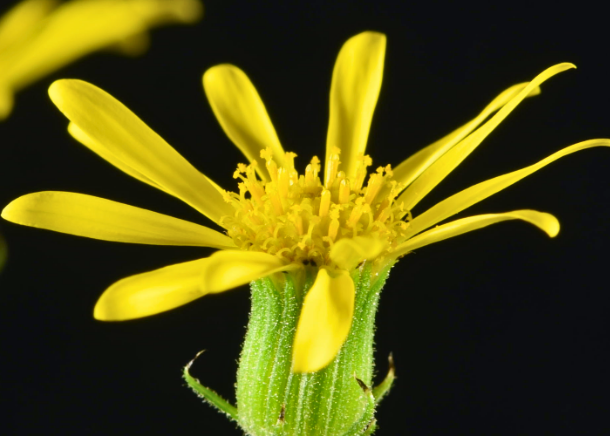
Descendente de progenitores sicilianos, planta da família das margaridas surgiu no Reino Unido, escapou de jardim botânico e partiu à conquista da região durante a Revolução Industrial.
11 Sep 2024
Estudo assinado pelos/as investigadores/as CE3C Maria Cristina Duarte, Rui B. Elias e Maria M. Romeiras procura pôr termo a debate com quase 200 anos.
25 Nov 2024