
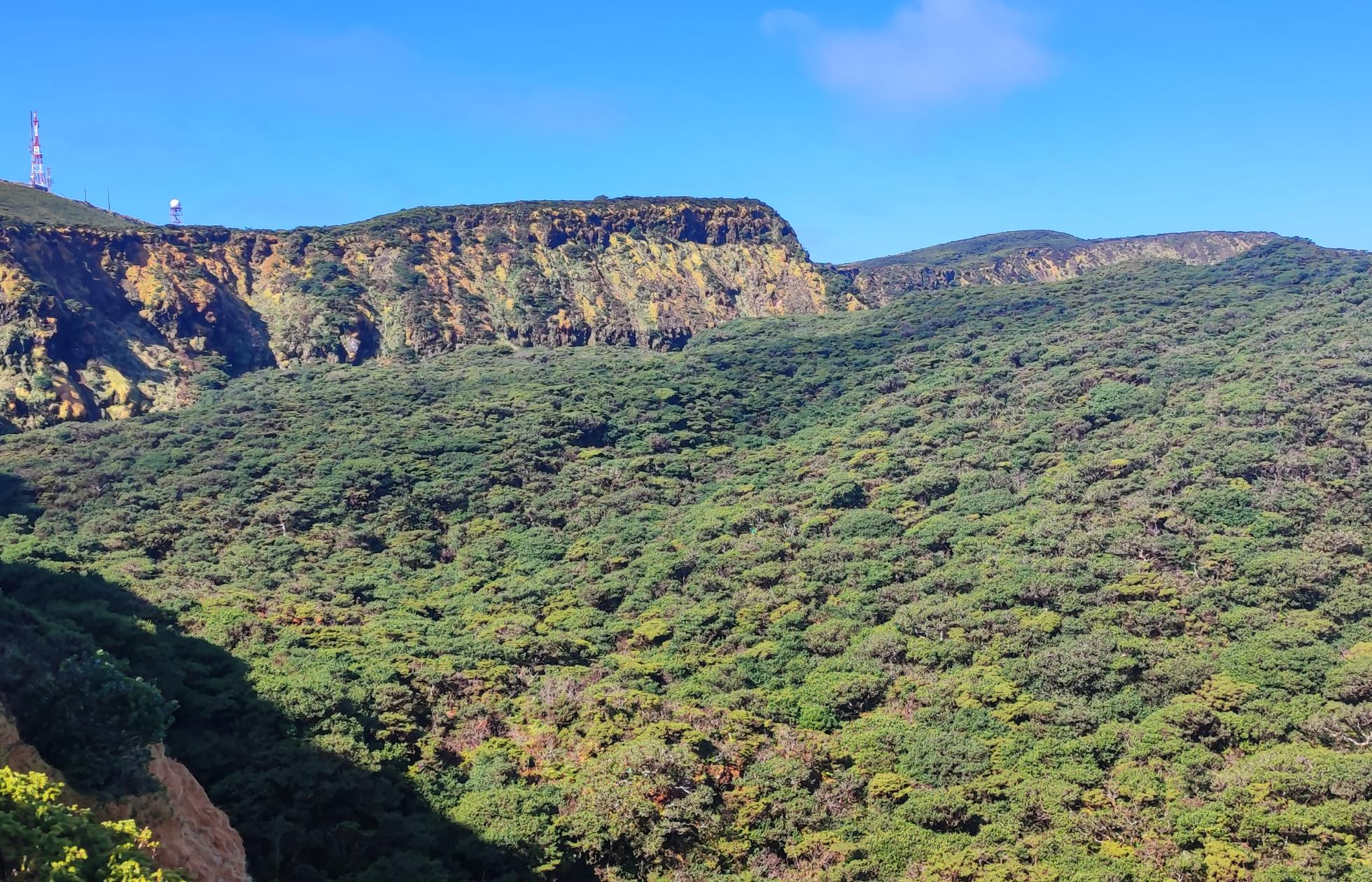
For thousands of years, the islands have been unique havens for life, places where species have evolved in extraordinary ways, isolated from the rest of the planet. But what we find in these ecosystems today is no longer solely the result of natural processes.
With the aim of understanding how human presence has transformed island ecosystems, an international team led by Thomas J. Matthews, a researcher at the University of Birmingham and a collaborator with CE3C, analysed changes in biodiversity on islands around the world. The study, published in the journal Science Advances, also involved CE3C researchers Paulo Borges and Pedro Cardoso, and shows that current island biodiversity results from the interaction between natural ecological and evolutionary processes and a long history of human influence.
This human impact goes far beyond the loss of species. It has altered the way ecosystems function, from the composition of communities to interactions between species, such as pollination or seed dispersal. According to the researchers, this means that considering only current biodiversity can lead to misinterpretations of how these systems function ‘naturally’.
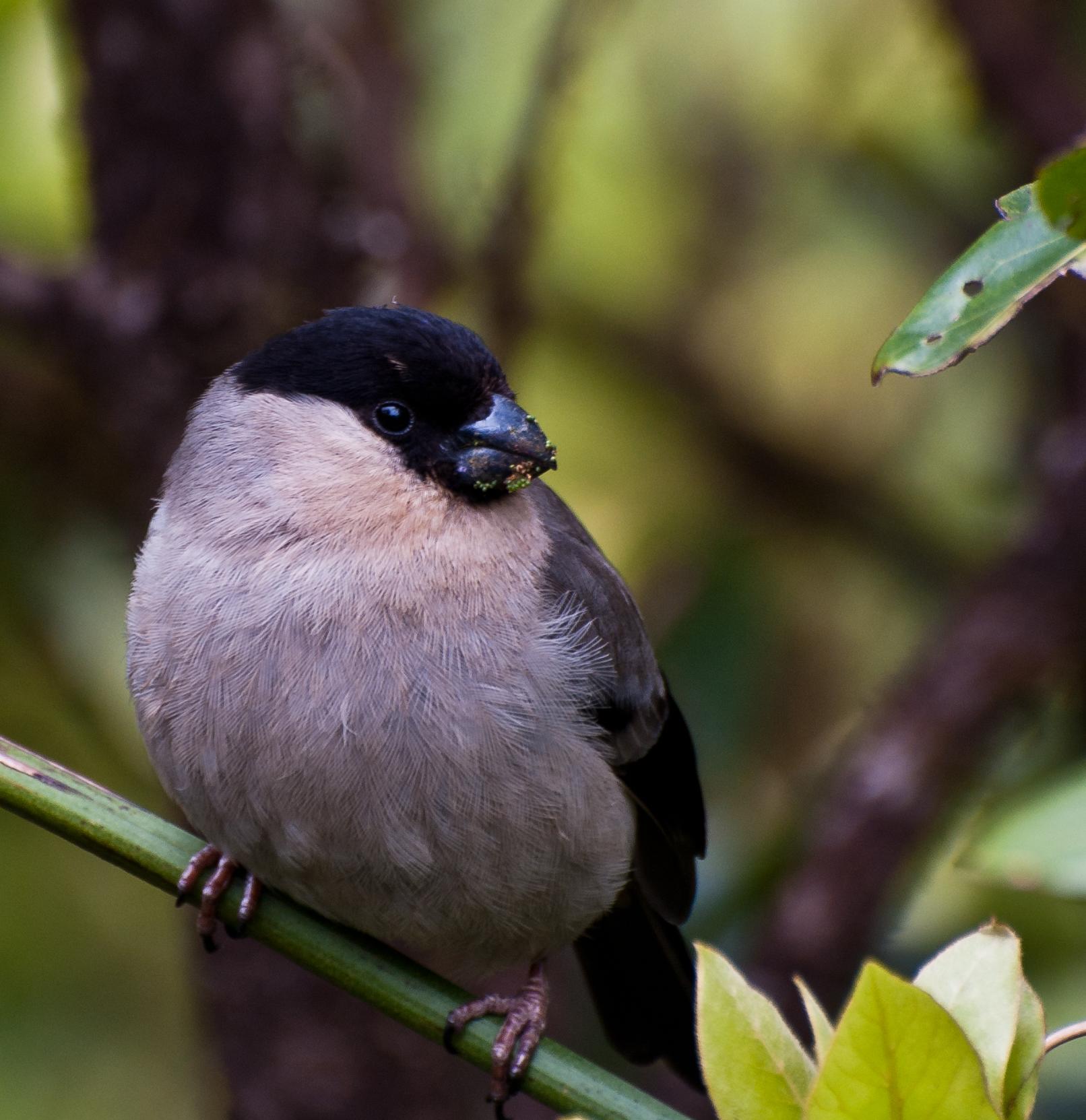
The study shows that islands cannot be treated simply as untouched natural laboratories. To understand their biodiversity, and to conserve it effectively, we must consider both the long-term natural processes that created their unique species and the profound human pressures that have reshaped island ecosystems.”
Paulo Borges
One of the most significant findings of the study is that, although many islands currently have a similar or higher number of species than before the arrival of humans, species diversity has declined. This apparent increase is mainly due to the introduction of non-native species. Although these introductions may numerically offset the losses caused by extinctions, they do not replace the ecological functions or the evolutionary uniqueness of the extinct species. As a result, island ecosystems have become more homogeneous and have lost part of their biological identity.
The authors also argue that understanding the islands’ current biodiversity requires a reconstruction of pre-human conditions, drawing on evidence from palaeontology, archaeology, history and ecology. Only in this way will it be possible to distinguish natural patterns from changes caused by human activities and to develop more effective conservation strategies.
For island regions such as the Azores, the study highlights the importance of long-term biodiversity monitoring, well-preserved biological collections, open data on biodiversity, and the sustained protection and restoration of native habitats. Understanding what has changed is a necessary step towards safeguarding what remains.
Related News
view all 43 s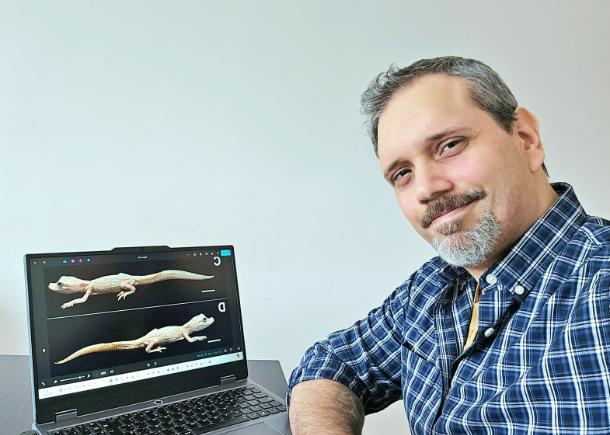
Este estudo contribui para o conhecimento da espécie e destaca o potencial das alterações cromáticas como bioindicador.
06 May 2026
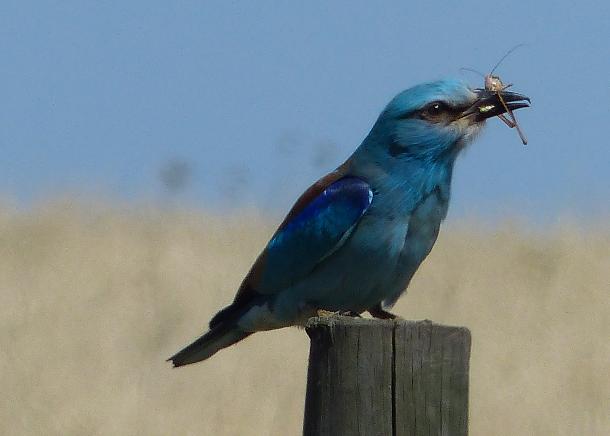
Castro Verde, in the Lower Alentejo, is home to 96 per cent of the national population, and artificial nests are now crucial to the species’ reproduction
31 Jul 2026
Cristina Branquinho, Sofia Augusto e Helena C. Serrano são coautoras de um capítulo sobre os impactos das mudanças climáticas no nexo água-energia-alimentação-ecossistemas (WEFE) na bacia do Mediterrâneo, apresentado na COP29.
27 Nov 2024
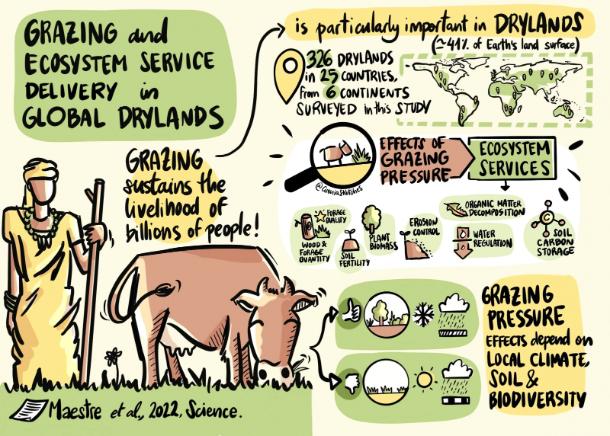
Alice Nunes e Melanie Köbel são co-autoras do artigo publicado na revista Science.
24 Nov 2022