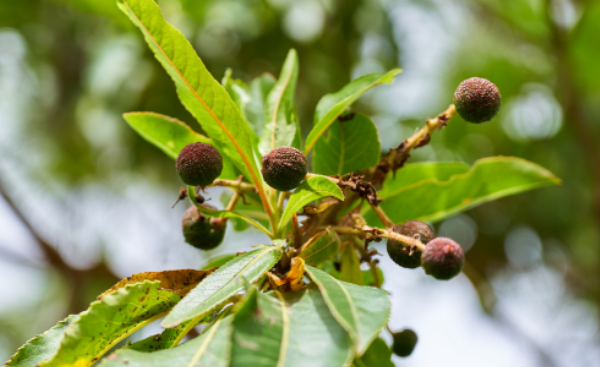
What if plant biomass, including that from invasive species, could become a valuable resource for health innovation? Plant biodiversity represents an extraordinary reservoir of chemical diversity, much of which remains unexplored, with significant potential for the development of new products and applications. But how can abundant and underutilised natural resources be transformed into opportunities for innovation while addressing environmental sustainability challenges? In this Scientia seminar, we explore this question through two plant species found in the Azores, each presenting distinct ecological challenges: Morella faya, a native species, and Gunnera tinctoria, an invasive species. Our research highlights promising bioactive extracts and compounds with antioxidant properties, potential applications in skin ageing prevention, and inhibitory activity against enzymes associated with type 2 diabetes. The findings also demonstrate how biomass processing and extraction conditions influence biological activity and opportunities for sustainable valorisation. At the interface of ecology, natural products chemistry, and biotechnology, this research illustrates how different environmental challenges can create shared opportunities for sustainable biodiversity valorisation, circular bioeconomy, and health innovation.
Online access* • LINK *To access the meeting in the app without using the link, use the meeting ID 363 115 536 448 945 3 and acess code Mq9bQ7yn