
The evolution of life histories in metapopulations
26 Jan 2024
Location: Room 2.2.14 - Faculty of Sciences of the University of Lisbon
Terrestrial Ecology Unit, Department of Biology, Ghent University

10 Nov 2026
Room 2.4.16 - Faculty of Sciences of the University of Lisbon & Online
16h30 (Lisbon time), 15h30 (Azores time)
Pedro Cardoso
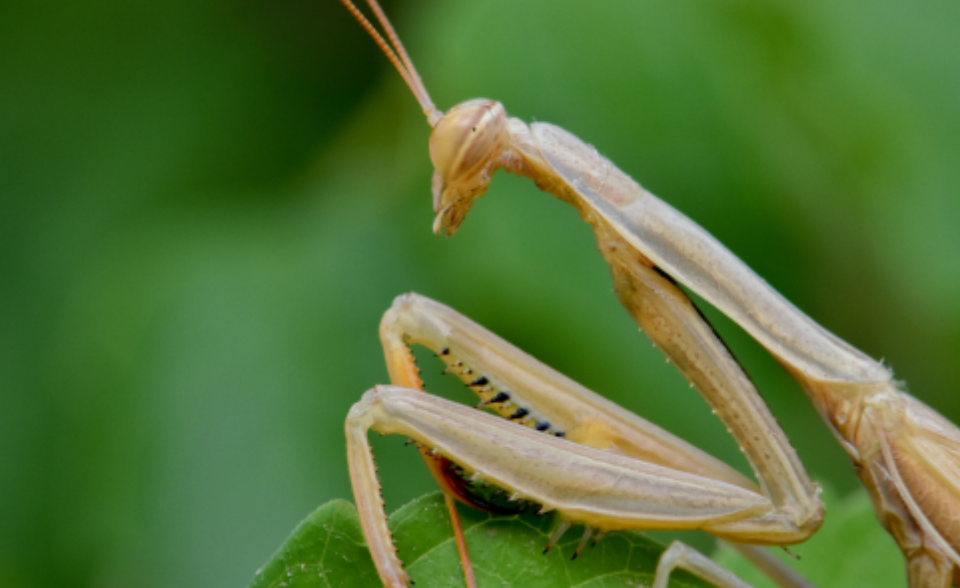
Widespread concern over arthropod declines has raised questions about how global change is reshaping biodiversity, yet large-scale responses within the group remain poorly understood. We recently analysed 50 years (1970-2019) of European arthropod occurrence data to quantify distributional changes across more than 700 species within 11 taxonomic groups. Using occupancy-detection models that account for imperfect detection, we compare time-only and environmentally mediated trends, including changes to temperature, precipitation, and agricultural and urban land cover. We found no universal signal of decline; responses are highly heterogeneous, revealing distinct winners and losers both within and among groups. Climate variables, particularly temperature and precipitation, are the strongest predictors of change, while agricultural intensification is broadly negative and urbanisation produces group-specific effects. Trait analyses indicate that warm- and dry-affiliated species and larger-bodied arthropods generally fare better. These results show that recent European arthropod change is dominated by redistribution rather than uniform collapse, with important implications for conservation and monitoring under ongoing global change.
Online access* • LINK
*To access the meeting in the app without using the link, use the meeting ID 346 541 866 316 785 1 and acess code fK7iR9VG

Vaughn Shirey
University of Florida, USA
Related Events
26 Jan 2024
Location: Room 2.2.14 - Faculty of Sciences of the University of Lisbon

26 Mar 2025
Location: Room 2.2.14, Ciências ULisboa (in-person only)

19 May 2025
Location: FCiências.ID Amphitheatre, Ciências ULisboa & Online