
![/uploads/subcanais2/zdenek-machacek-eybuapyfkiy-unsplash[1].jpg](/uploads/subcanais2/zdenek-machacek-eybuapyfkiy-unsplash[1].webp "/uploads/subcanais2/zdenek-machacek-eybuapyfkiy-unsplash[1].jpg")
InWild - Integrative Wildlife Ecology and Conservation
The Integrative Wildlife Ecology and Conservation group (InWild) uses a multidisciplinary approach that combines the study of ecological principles with conservation science to advance the understanding of wildlife ecological patterns and to improve the conservation of wildlife and their habitats. This approach integrates multiple levels of biological organization — from individual organisms to wildlife communities and landscapes — with a particular focus on mammals. We combine field-based, experimental and theoretical studies conducted across different spatial and temporal scales. By integrating insights from biology, ecology, biogeography and social sciences, InWild contributes to the development of effective and holistic conservation strategies.
Researchers at InWild focus on:
- Understanding mammals’ ecological adaptations to changing environments;
- Identifying the key drivers and ecological mechanisms that shape mammal population distributions and dynamics;
- Generating spatial, temporal and trophic ecological data to inform and support effective mammal conservation;
- Collaborating creatively and effectively with different stakeholders to design and implement solutions for mammal conservation challenges;
- Promoting knowledge exchange and capacity building within the conservation community and among the general public.
The group activities are framed within the United Nations Decade on Ecosystem Restoration (2021-2030) and contribute to its objectives of ecosystem recovery and resilience, while being aligned with several United Nations Sustainable Development Goals (SDGs), namely:
- Responsible consumption and production (SDG 12): Promote sustainable consumption and production patterns, by contributing to the sustainable management and efficient use of natural resources;
- Climate action (SDG 13): Strengthen the capacity of countries to address climate-related risks, by contributing to the integration of climate change measures into national policies, strategies, and planning;
- Life on land (SDG 15): Protect, restore and promote sustainable use of terrestrial ecosystems, sustainably manage forests, combat desertification, halt and reverse land degradation and halt biodiversity loss, by contributing to the conservation, restoration and sustainable use of terrestrial ecosystems, their services, and the associated biodiversity.
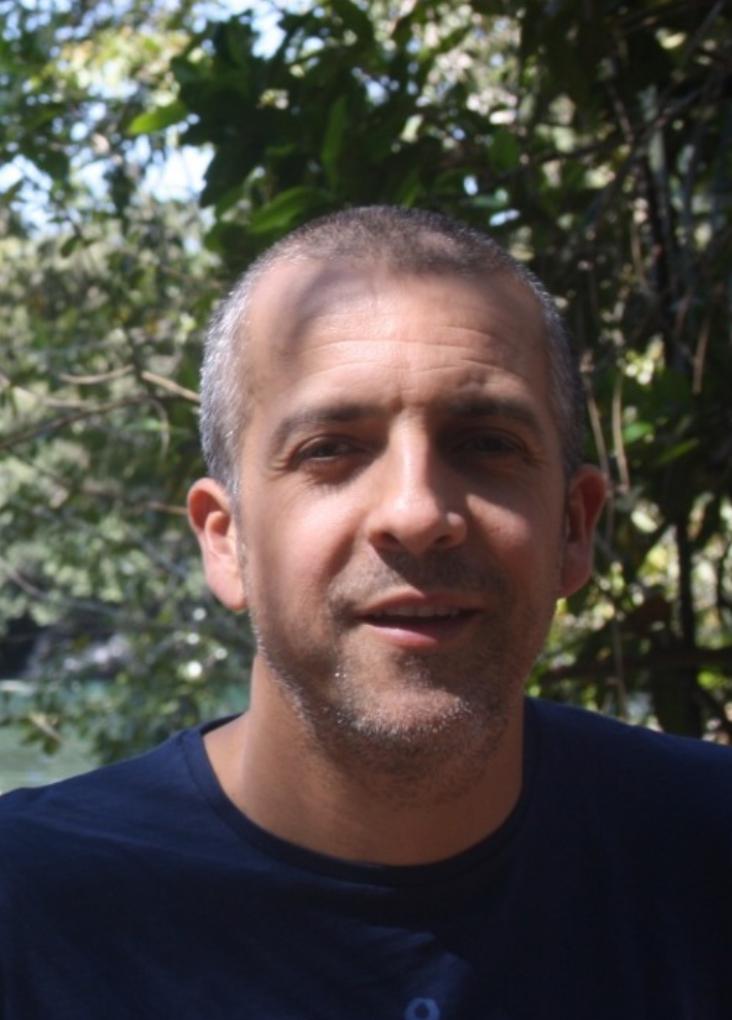
Group Leader
Luís Miguel Rosalino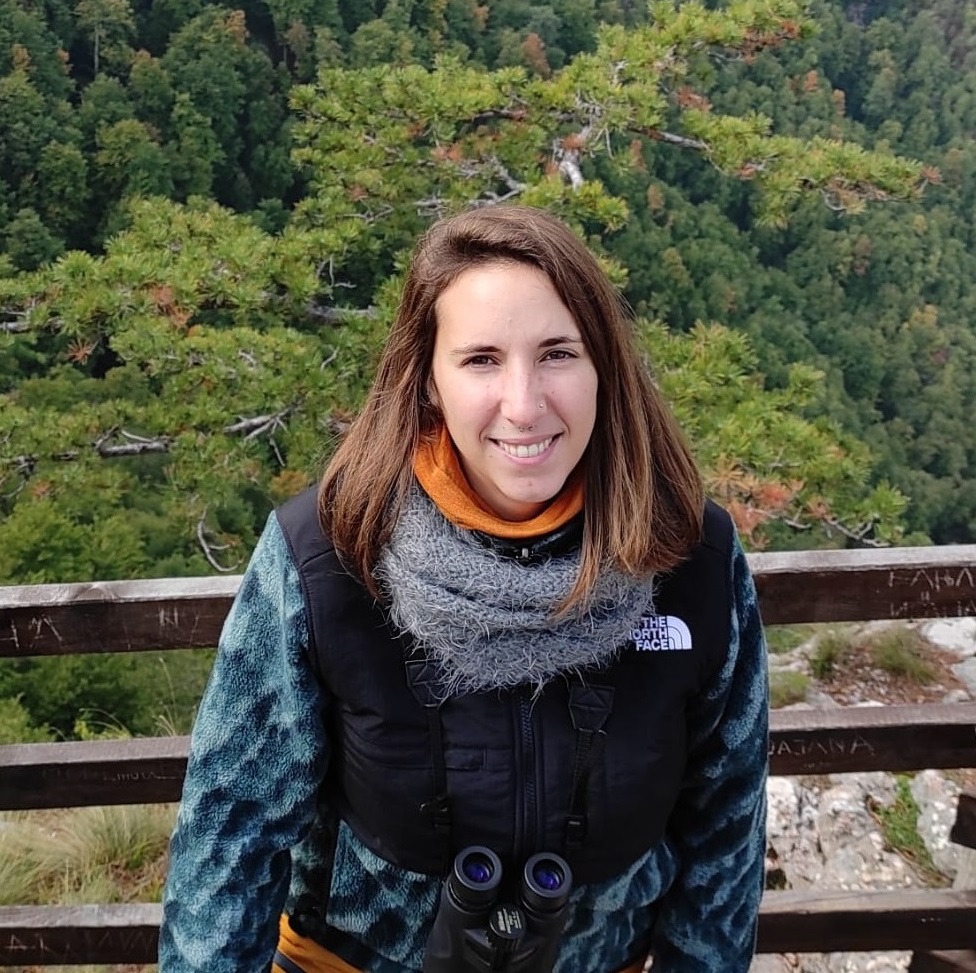
Researcher
Alejandra Zarzo Arias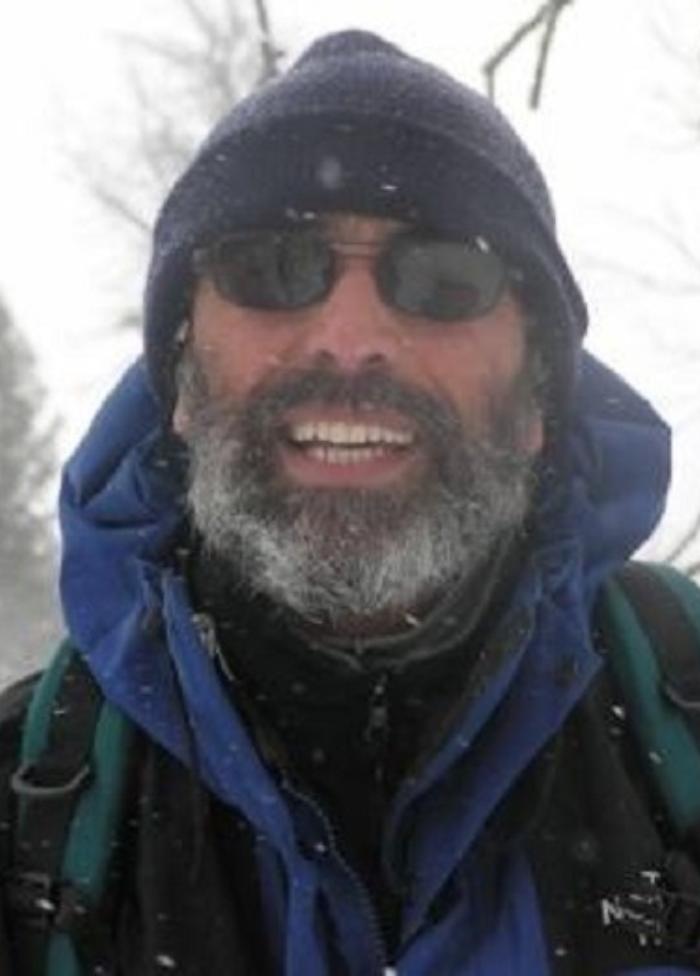
Researcher
Francisco Petrucci Fonseca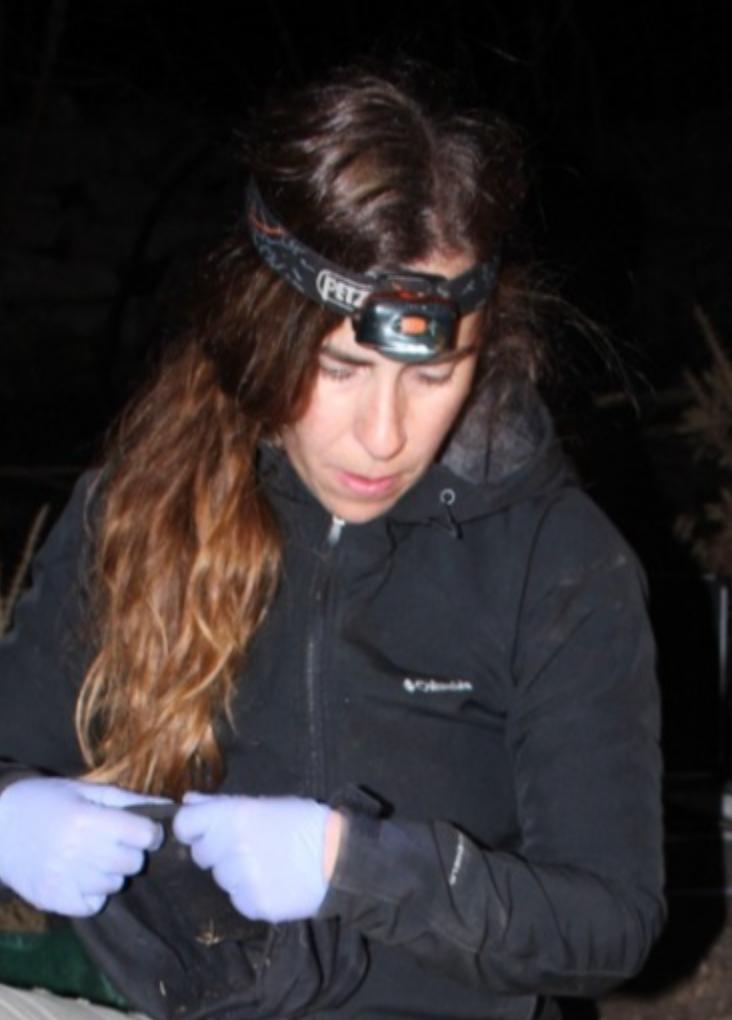
Researcher
Helena Rio-Maior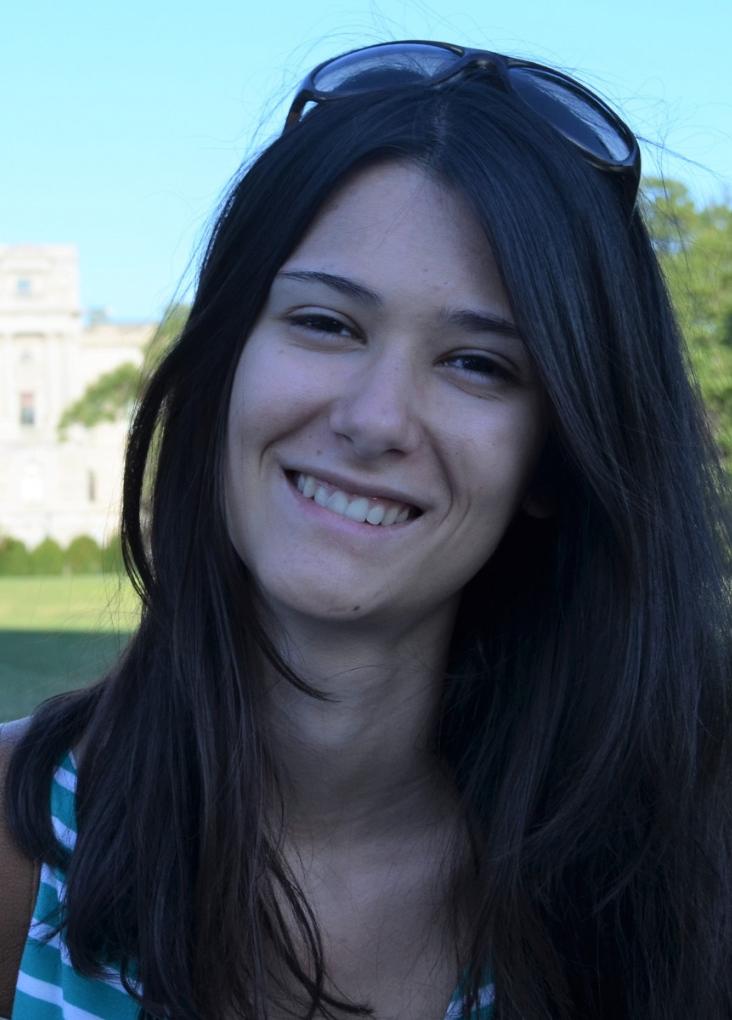
Researcher
Sofia Lino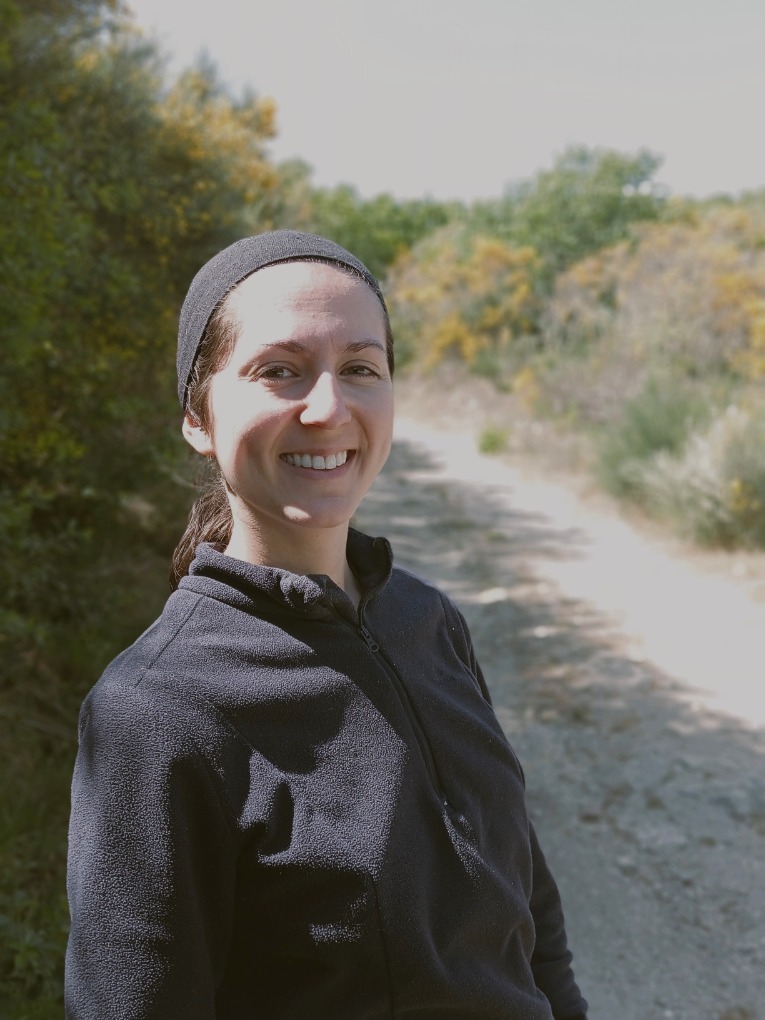
PhD Student
Beatriz C. Afonso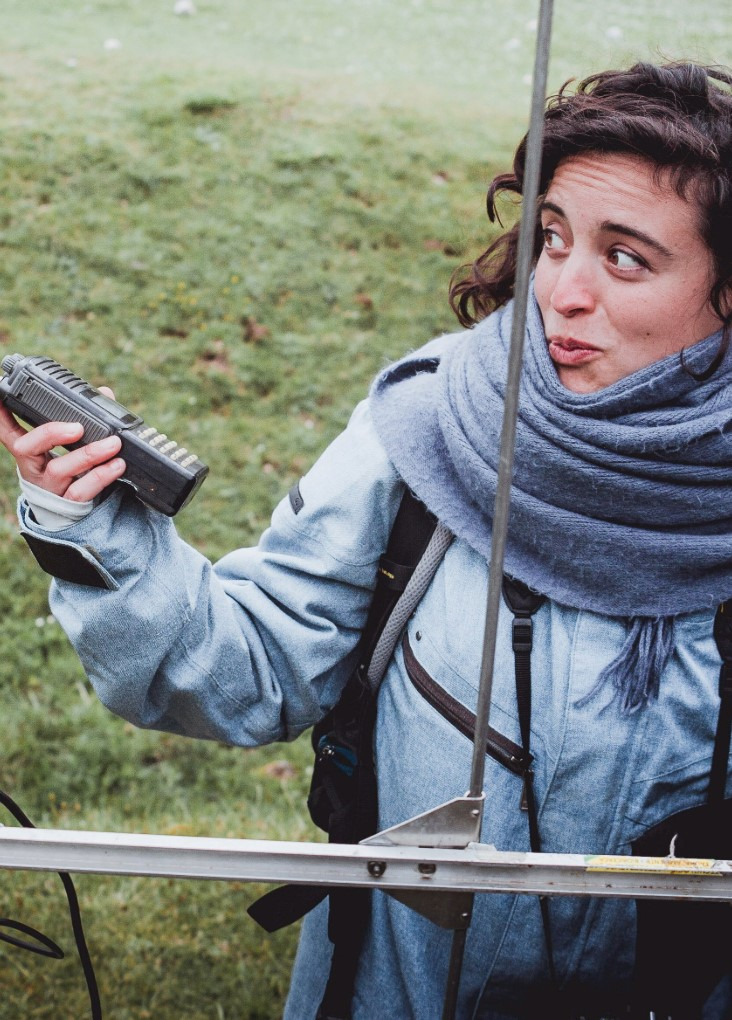
PhD Student
Cecilia De Sanctis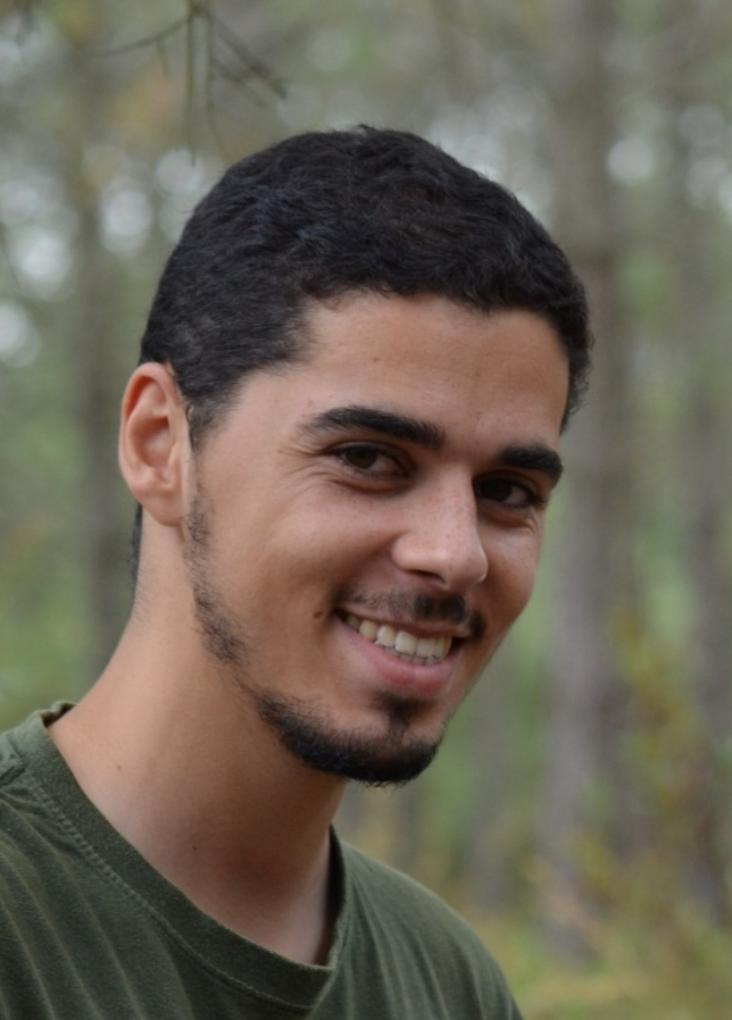
PhD Student
Gonçalo Matias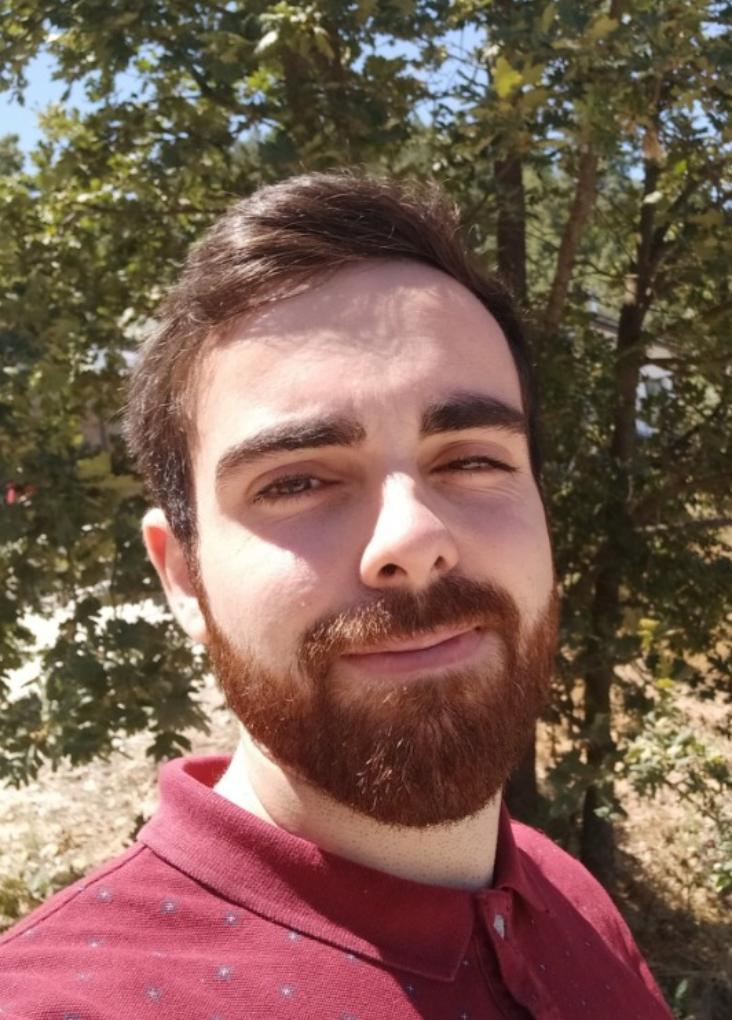
PhD Student
Guilherme Ares Pereira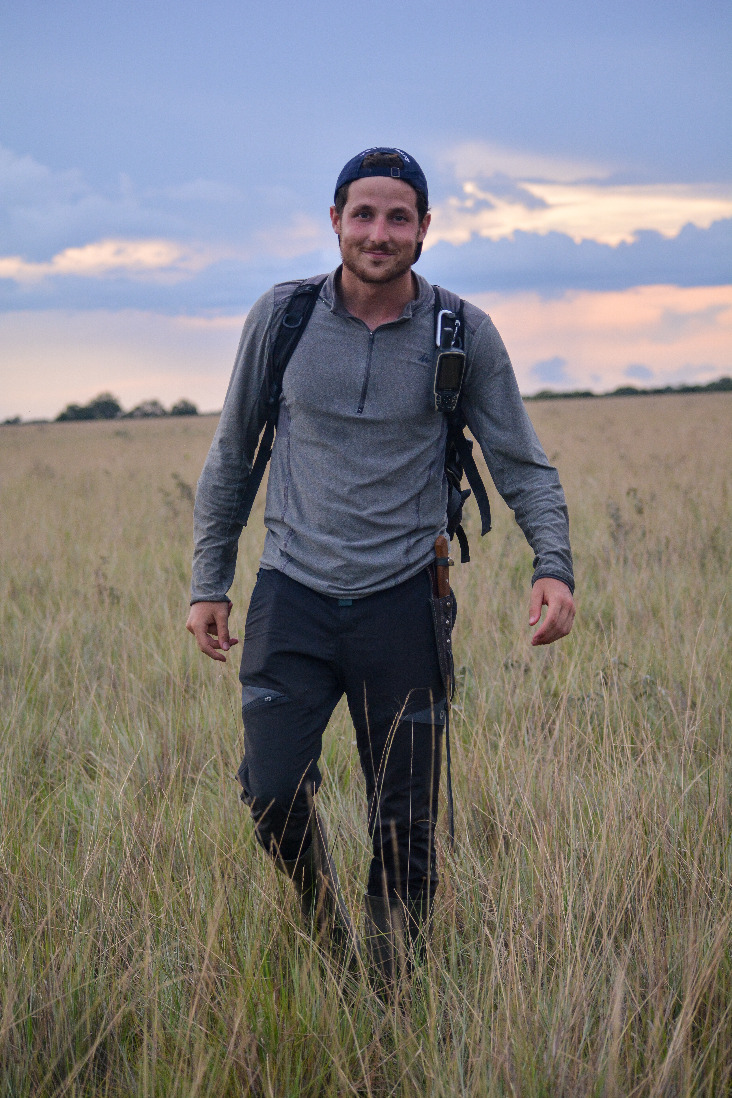
PhD Student
Hugo Díez Santaolalla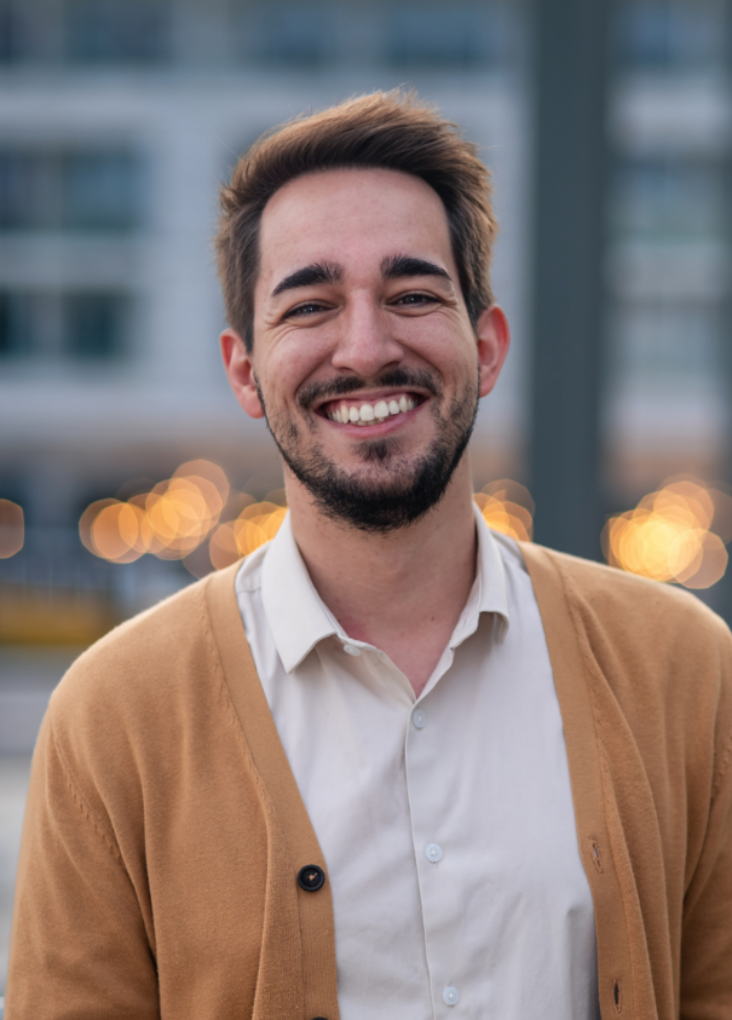
PhD Student
Rúben Sousa de Oliveira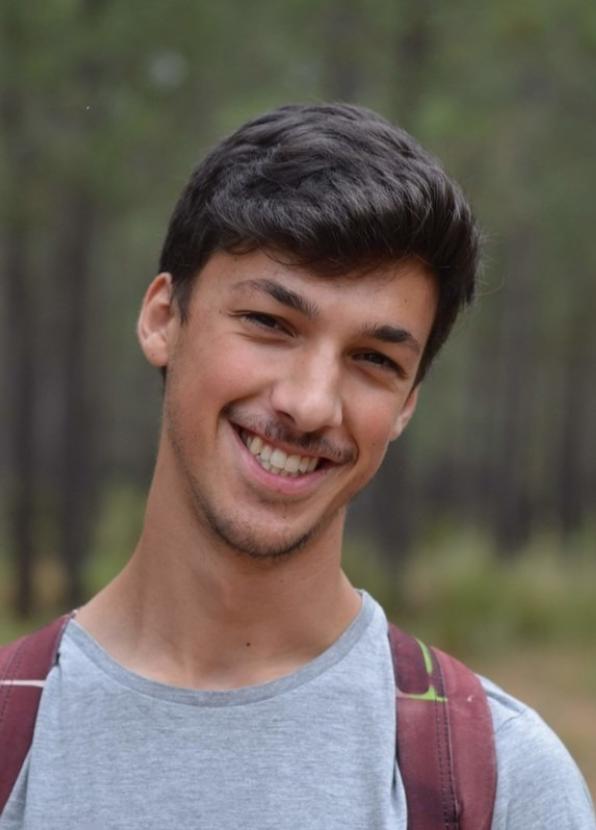
PhD Student
Vasco Valdez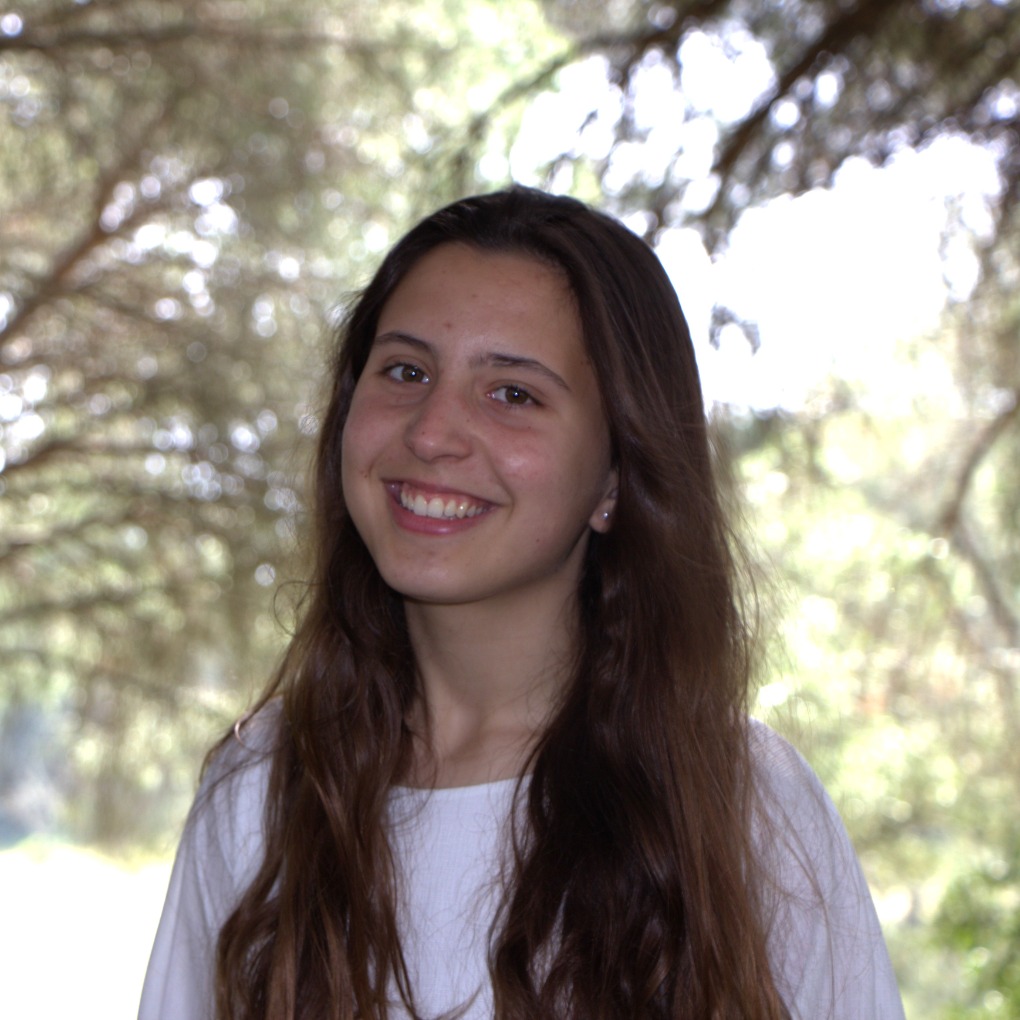
MSc Student
Amélia Rodrigues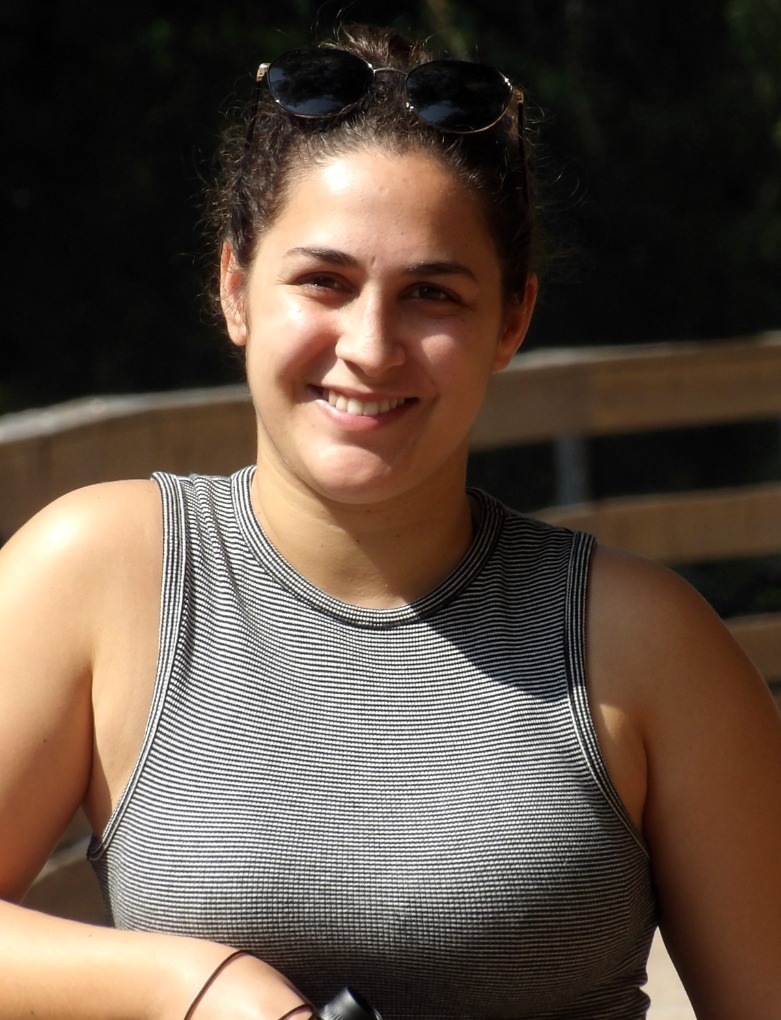
MSc Student
Ana Raquel Resgate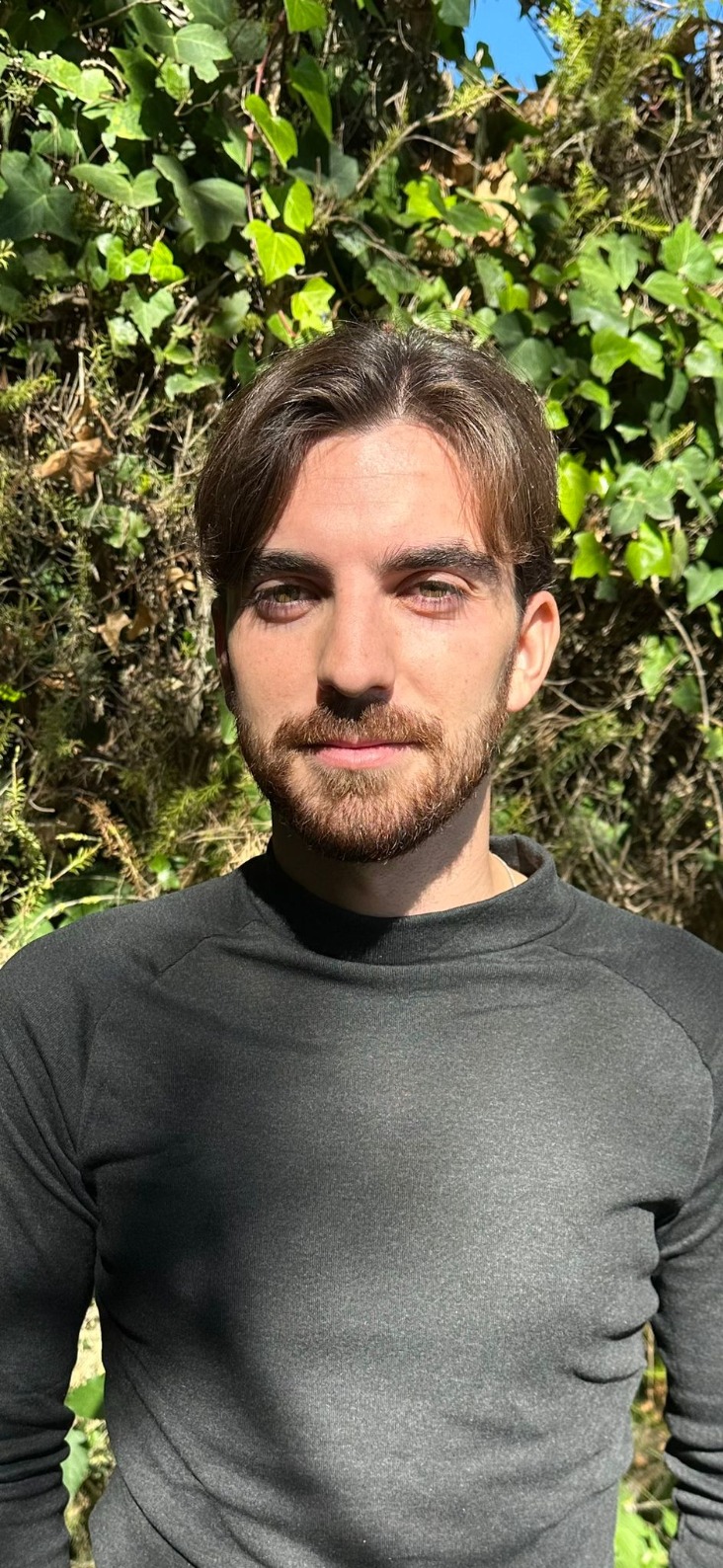
MSc Student
Guilherme Madeira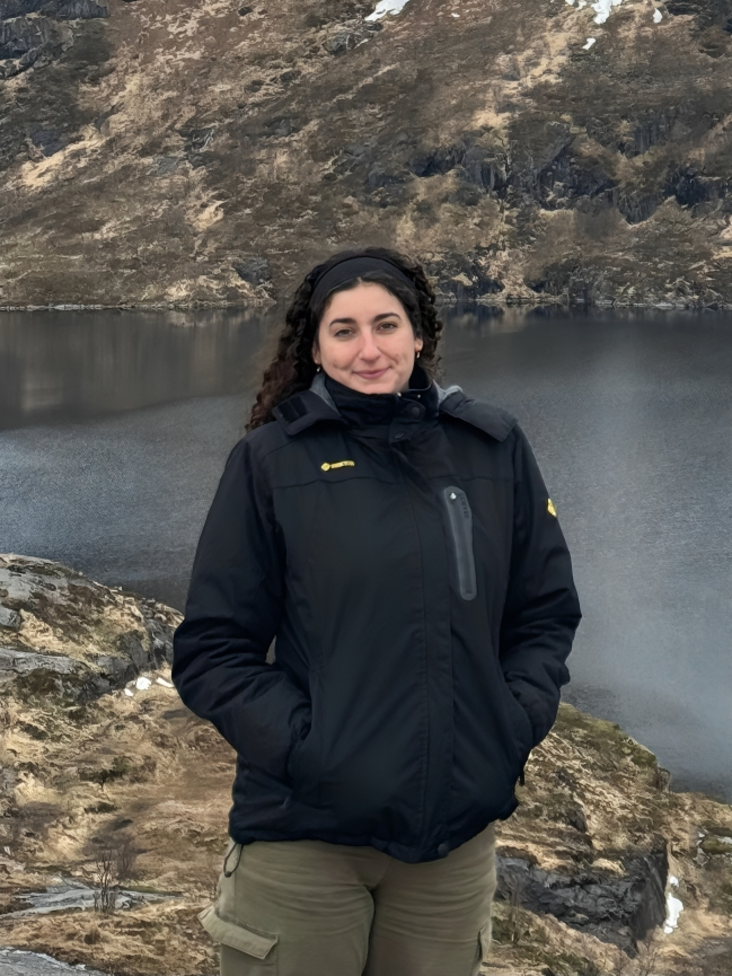
MSc Student
Lucia Johanna Pereira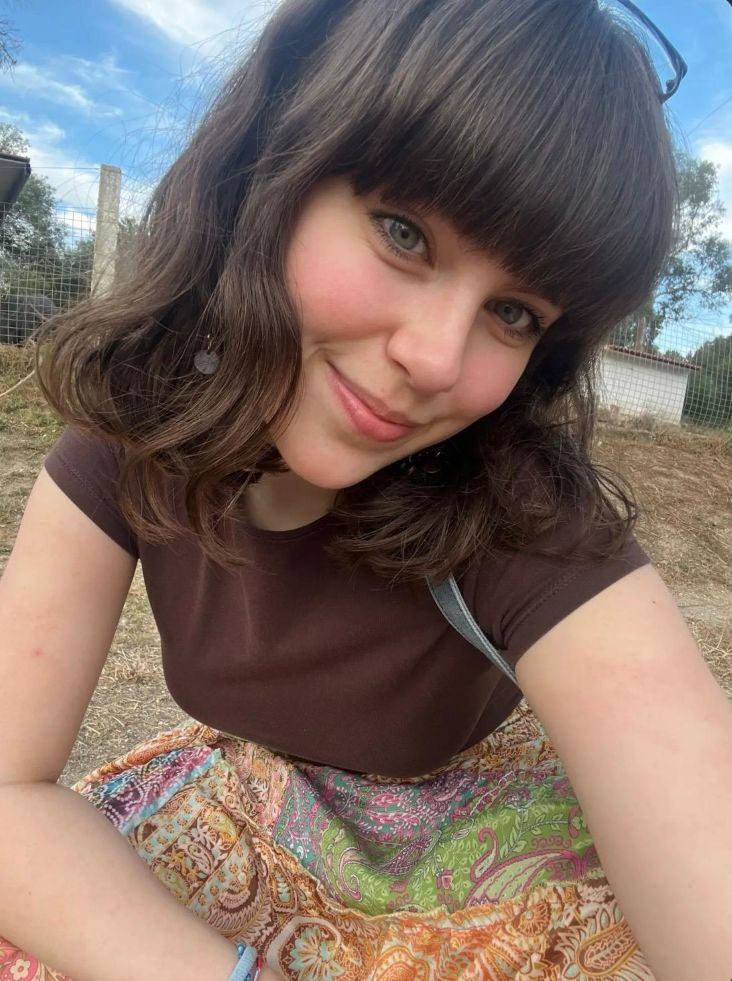
MSc Student
Madalena Pereira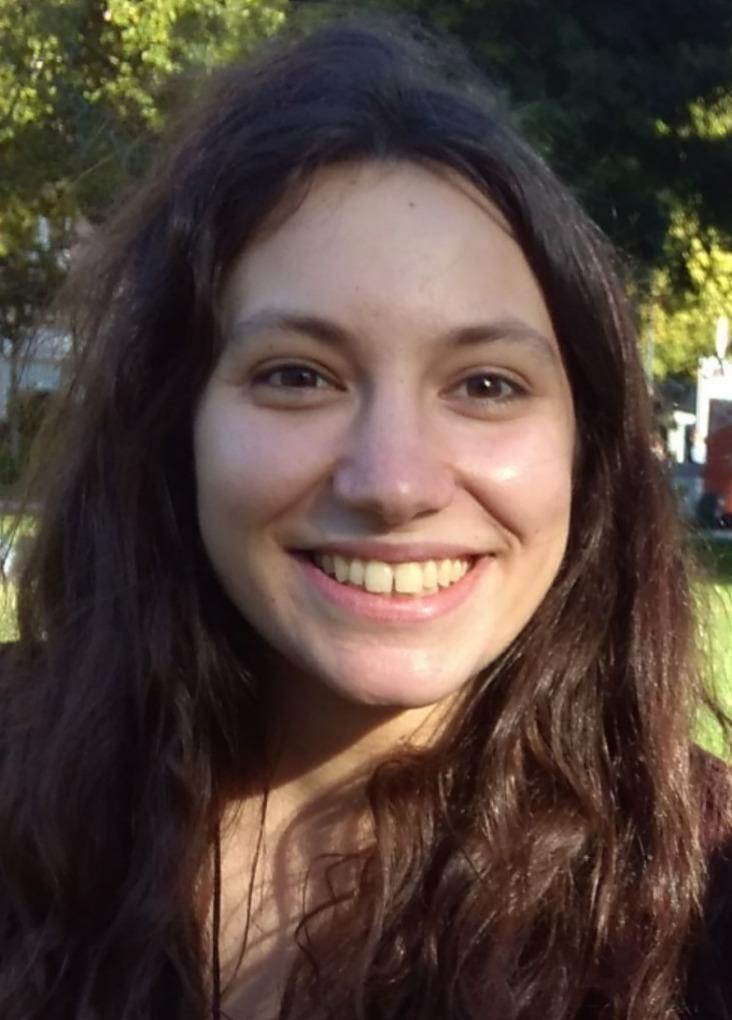
MSc Student
Margarida Faro Esteves
MSc Student
Matilde Alves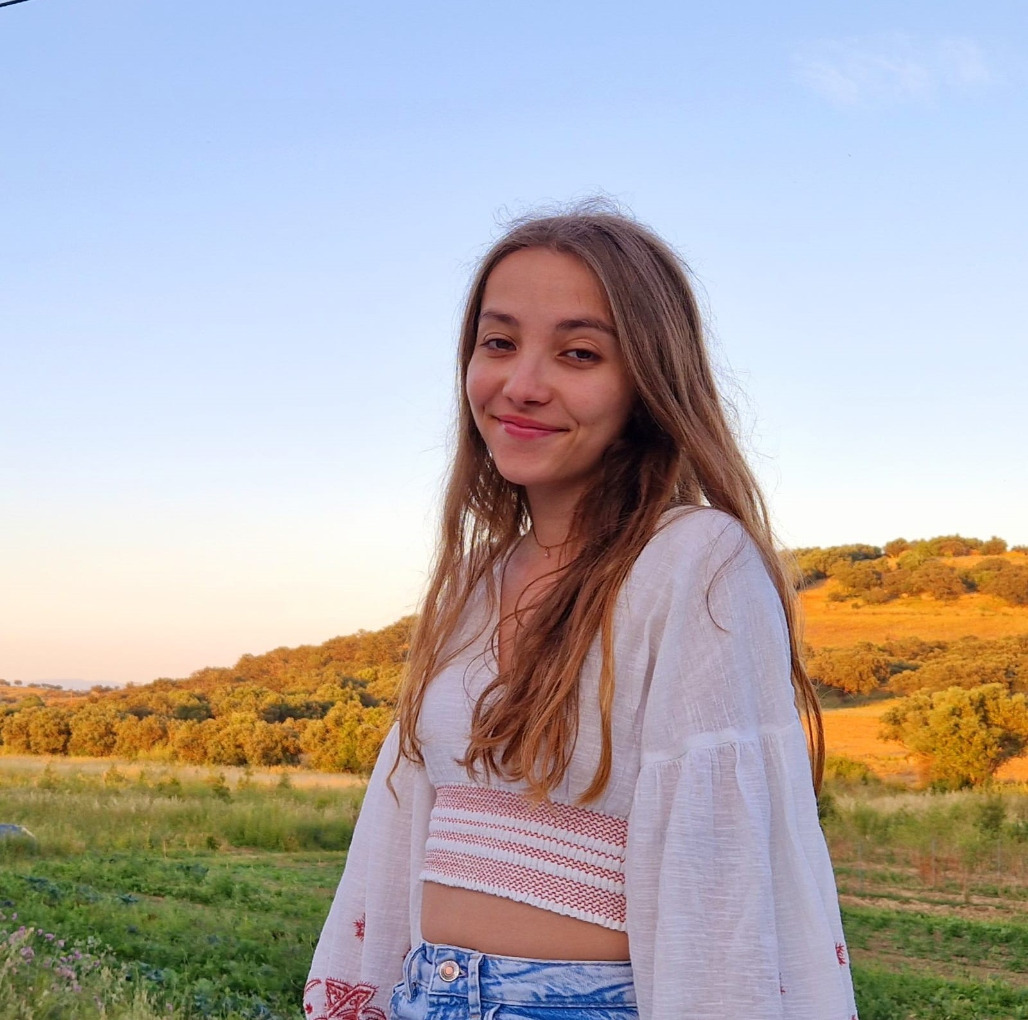
MSc Student
Natacha Pereira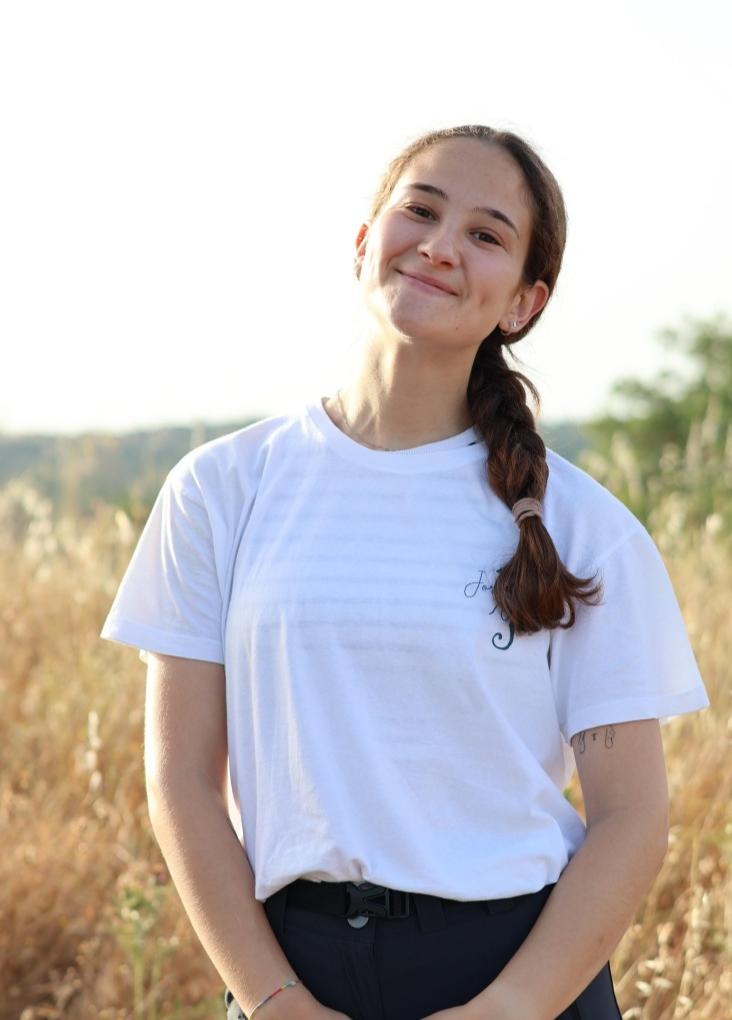
MSc Student
Raquel Henriques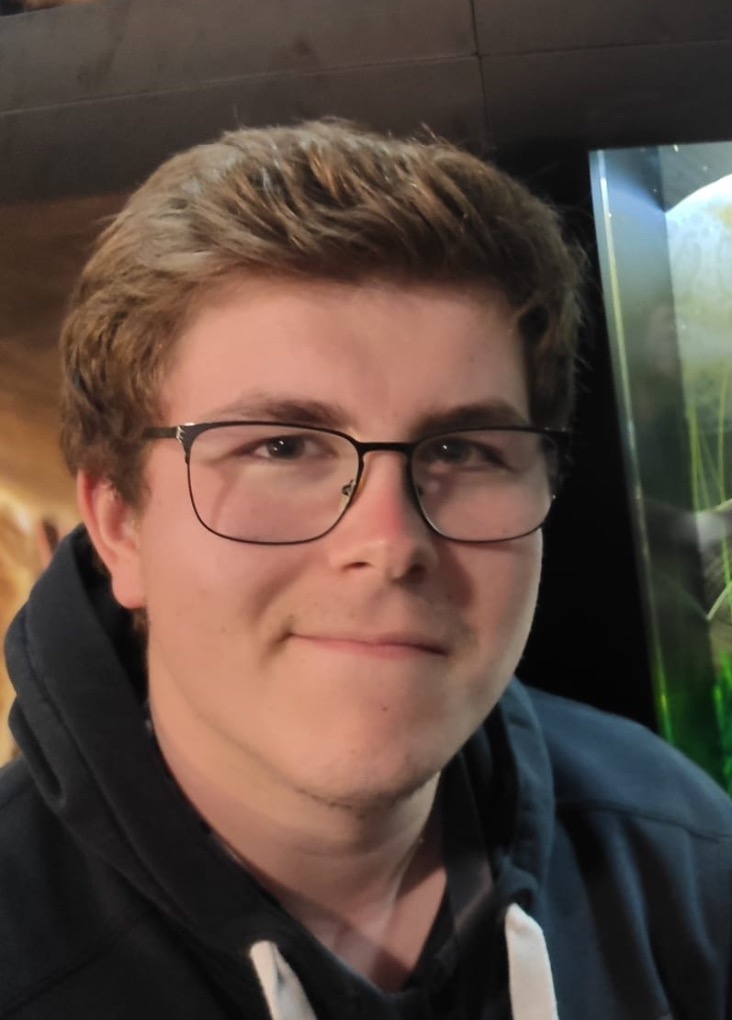
External Collaborator
Afonso Barrocal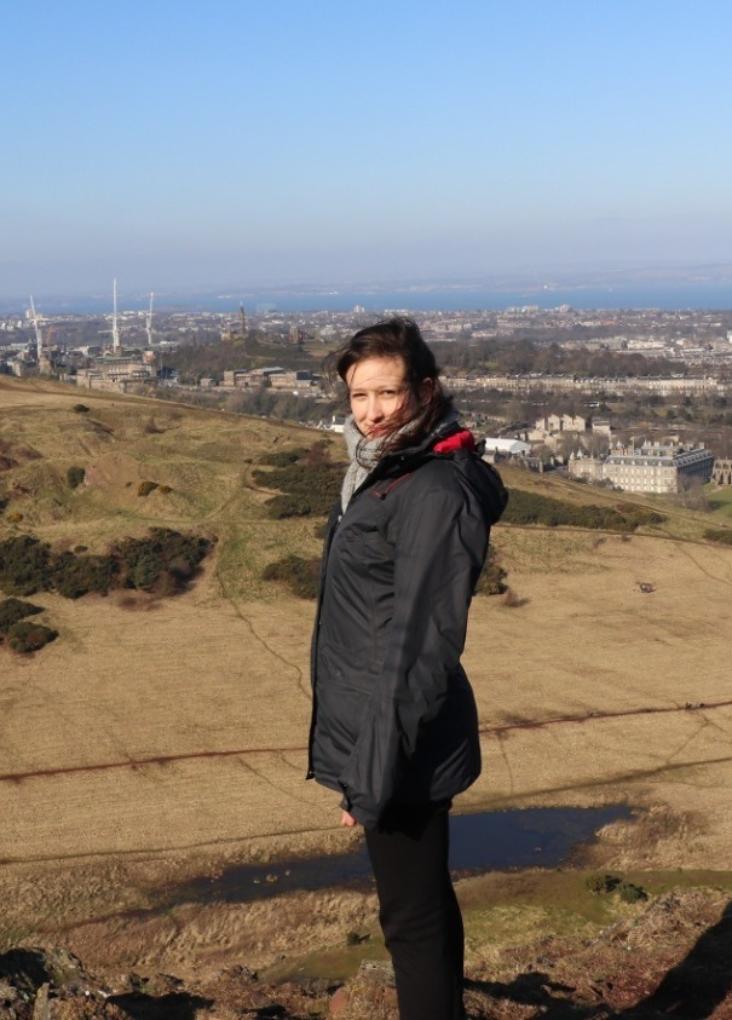
External Collaborator
Ana Luísa Barros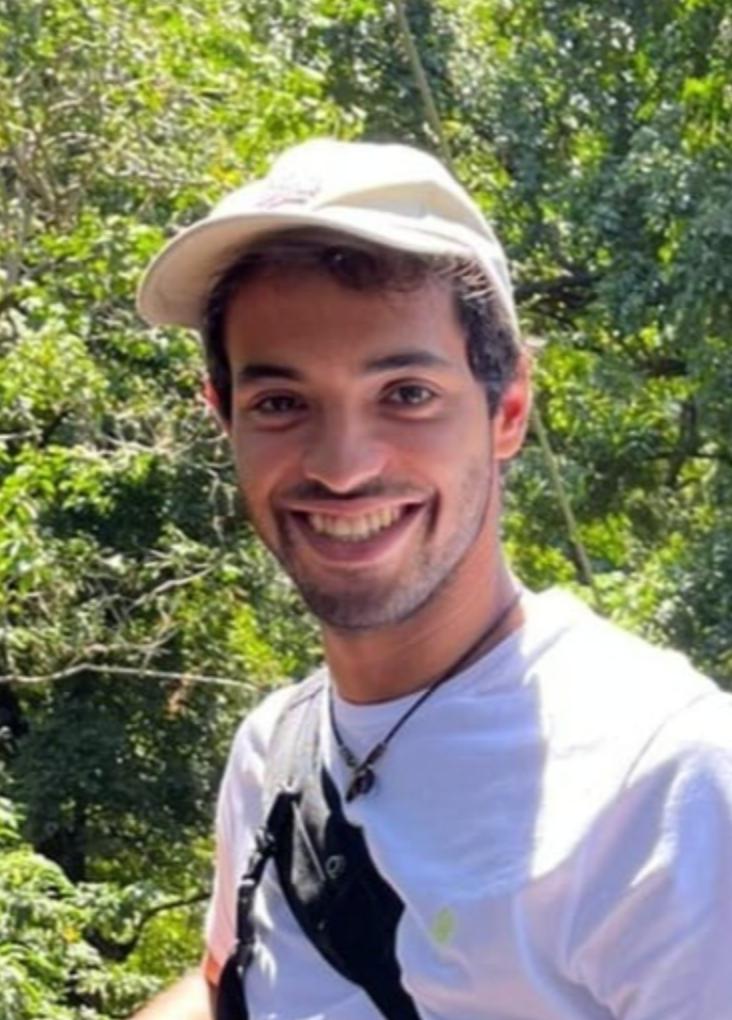
External Collaborator
Gonçalo Delgado
External Collaborator
Maria Morgado de Sousa
External Collaborator
Maria Natividade