
![/uploads/subcanais2/banners-novo-site-ce3c-16[1].png](/uploads/subcanais2/banners-novo-site-ce3c-16[1].webp "/uploads/subcanais2/banners-novo-site-ce3c-16[1].png")
ESE - Entomology & Subterranean Ecology
Our group explores biodiversity from complementary perspectives: the extraordinary diversity of arthropods and the hidden ecosystems beneath the Earth’s surface.
We are based at the Faculdade de Ciências and the Museu Nacional de História Natural e da Ciência of the Universidade de Lisboa, combining expertise in biodiversity, evolution, systematics, morphology, ecology and conservation.
Our research explores how organisms diversify, adapt and persist across terrestrial, aquatic and subterranean environments, with a special focus on insects and other arthropods. Because arthropods are central to underground ecosystems, subterranean habitats offer powerful natural laboratories for studying evolution, specialization, resilience and environmental change.
A key strength of the group is its close link to Natural History Collections. Through specimen-based and collection-based research, and through the curation of the National Entomological Collection of Portugal, we use museum collections as foundations for taxonomy, evolutionary biology, ecology and conservation.
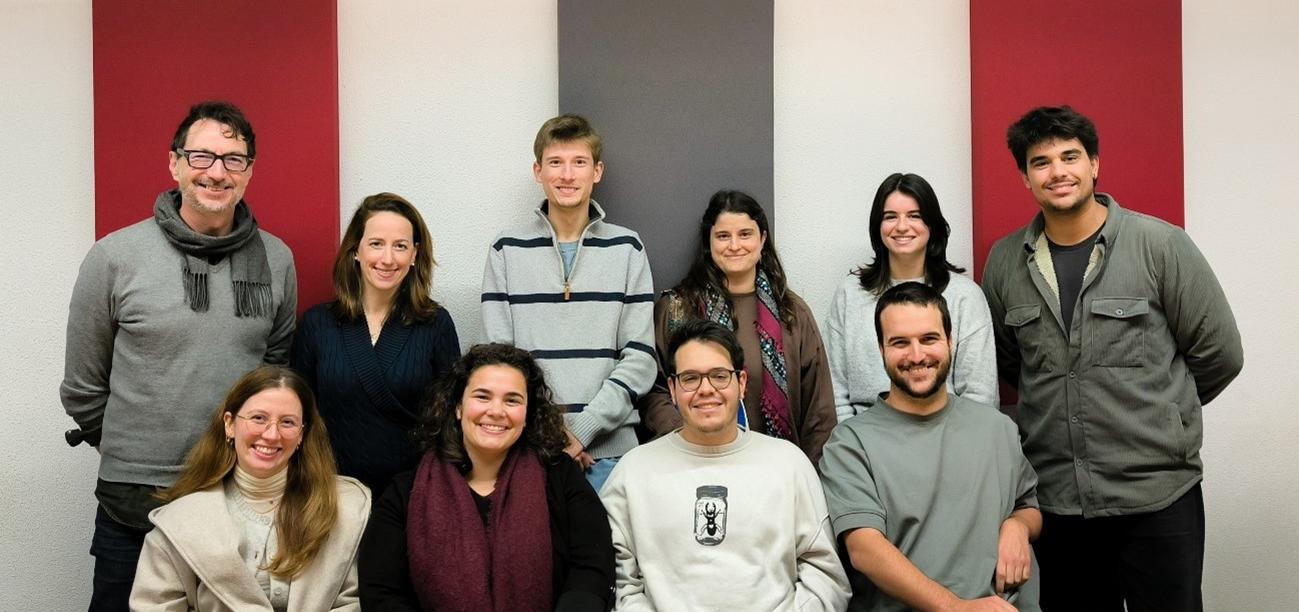
By combining classical natural history with integrative taxonomy, phylogenetics, molecular methods and advanced 3D imaging, we uncover hidden patterns of evolution and ecological interaction. From museum drawers to caves and the deep subsurface, our work helps reveal, understand and protect some of the most overlooked dimensions of biodiversity.
Our current projects span the Mediterranean region and tropical ecosystems in Guinea-Bissau and Equatorial Guinea, reflecting both the geographic breadth and the international ambition of the group. We also lead the Chair in Sustainability of Subterranean Ecosystems and the first Cave Long-Term Ecological Research (LTER) site in Western Europe, established through the Belmiro de Azevedo–FCT Prize in biodiversity conservation, restoration and monitoring, with support from the Municipality of Loulé.
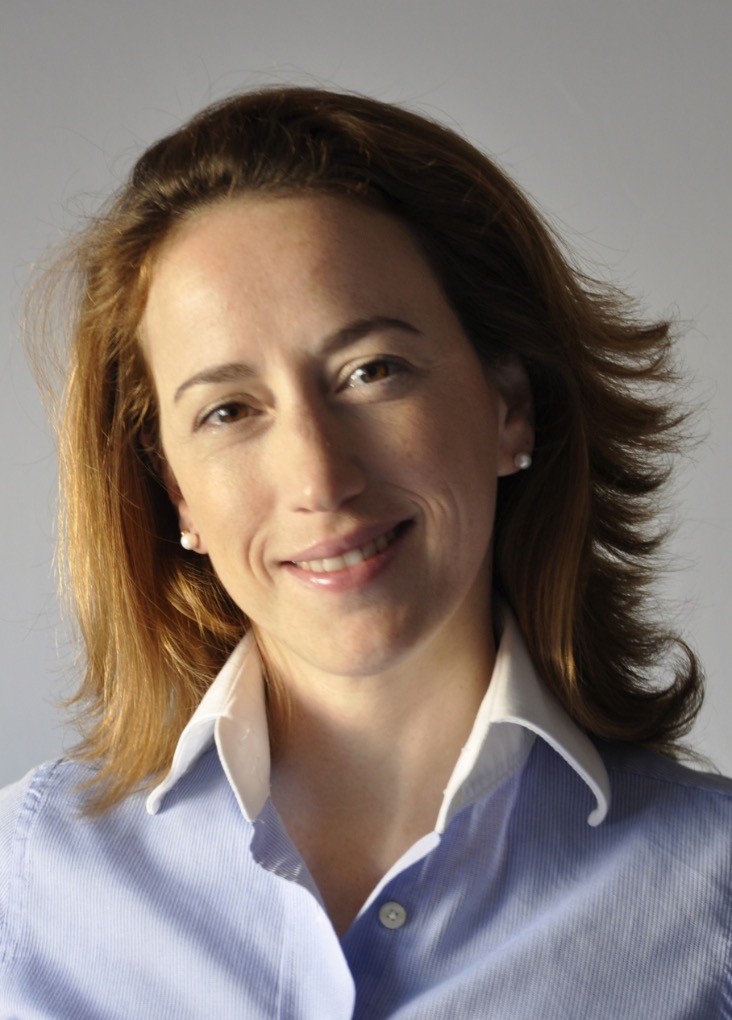
Group Leader
Ana Sofia Reboleira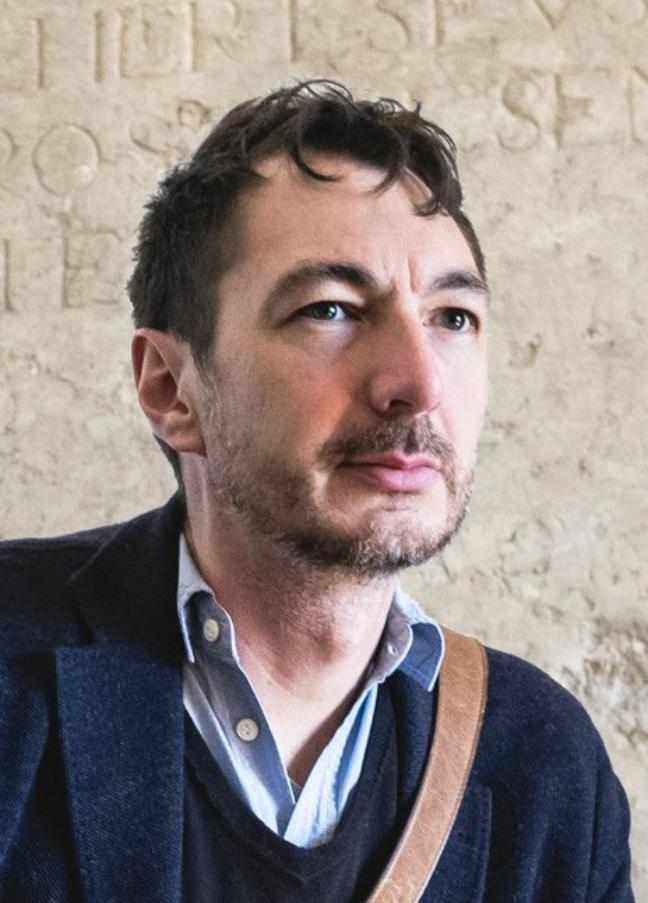
Researcher
Roberto A. Keller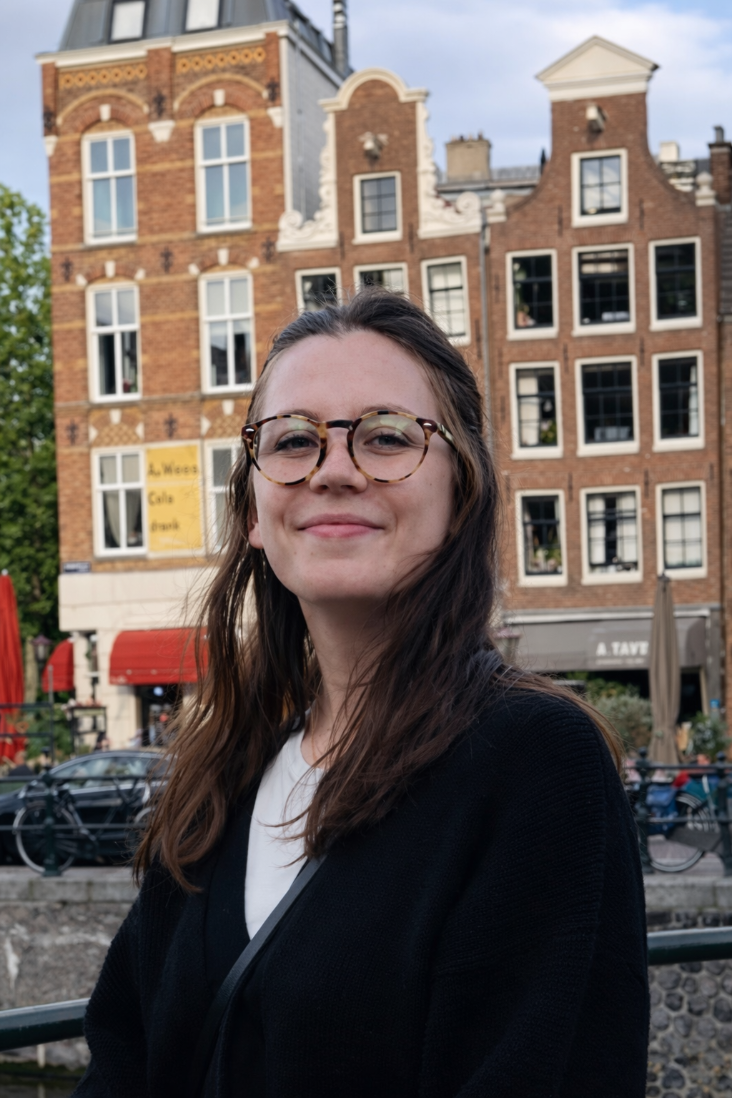
PhD Student
Maria João Medina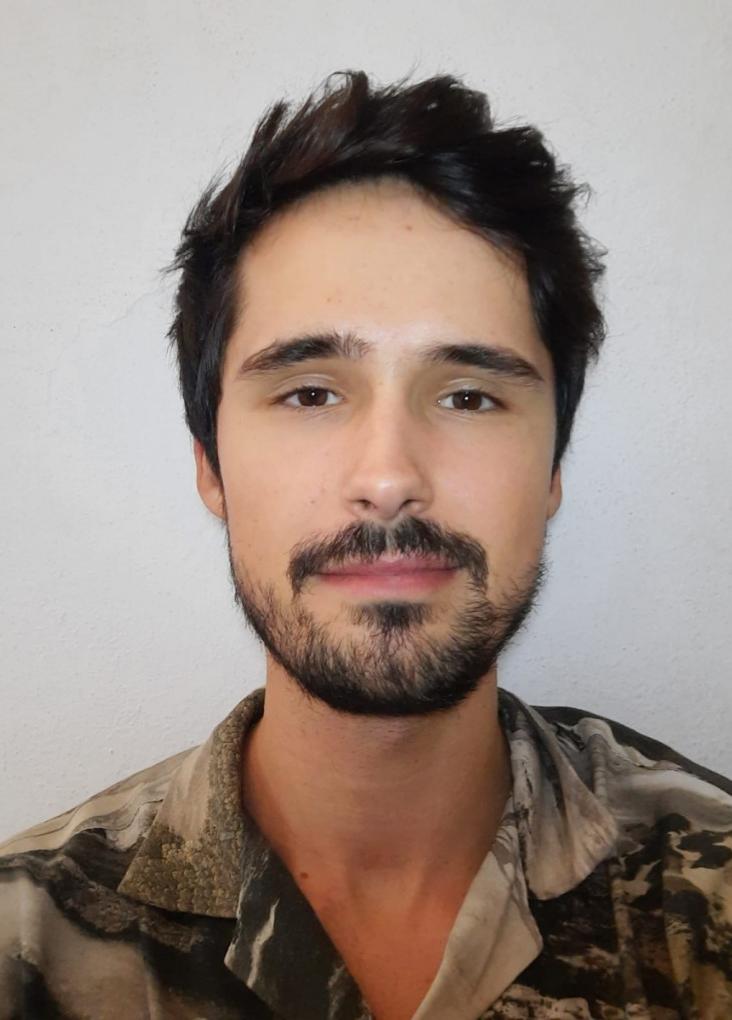
PhD Student
Rafael António Costa da Silva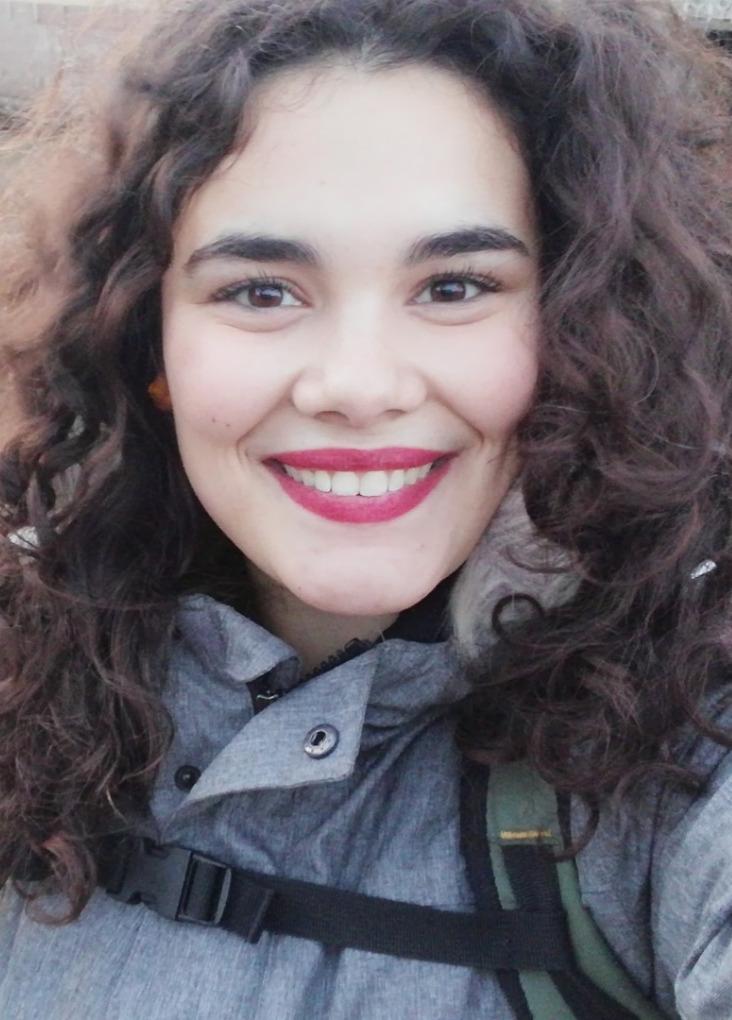
PhD Student
Rita Eusébio
PhD Student
Sílvia Pina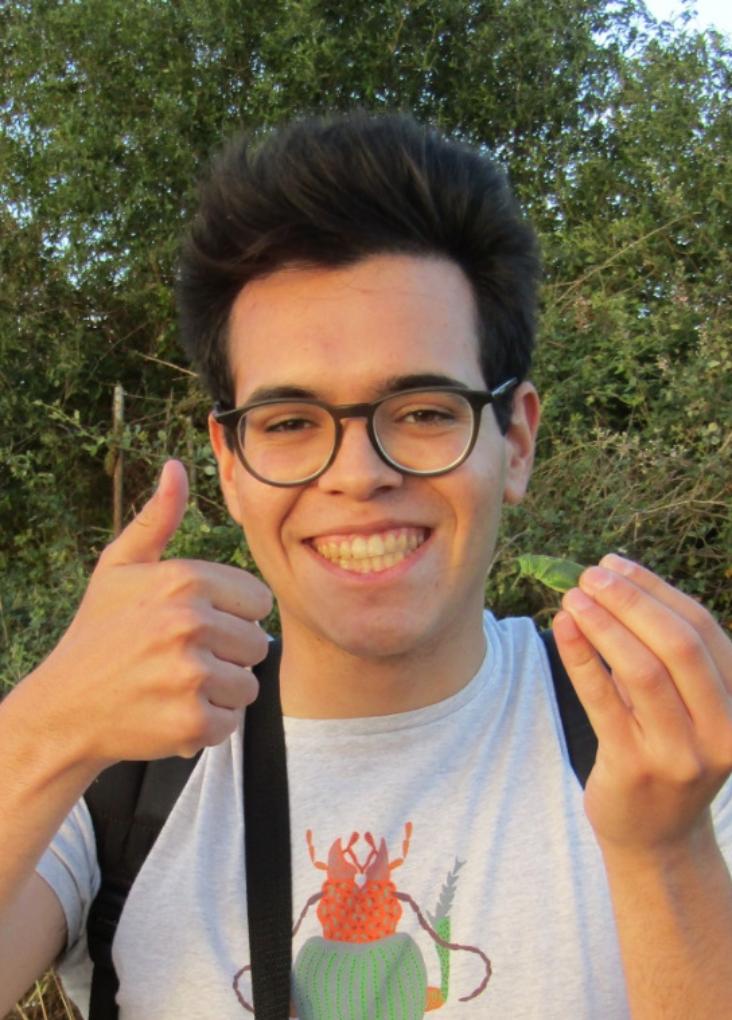
PhD Student
Tiago Carrapiço
MSc Student
Dávid Carvalho Domingos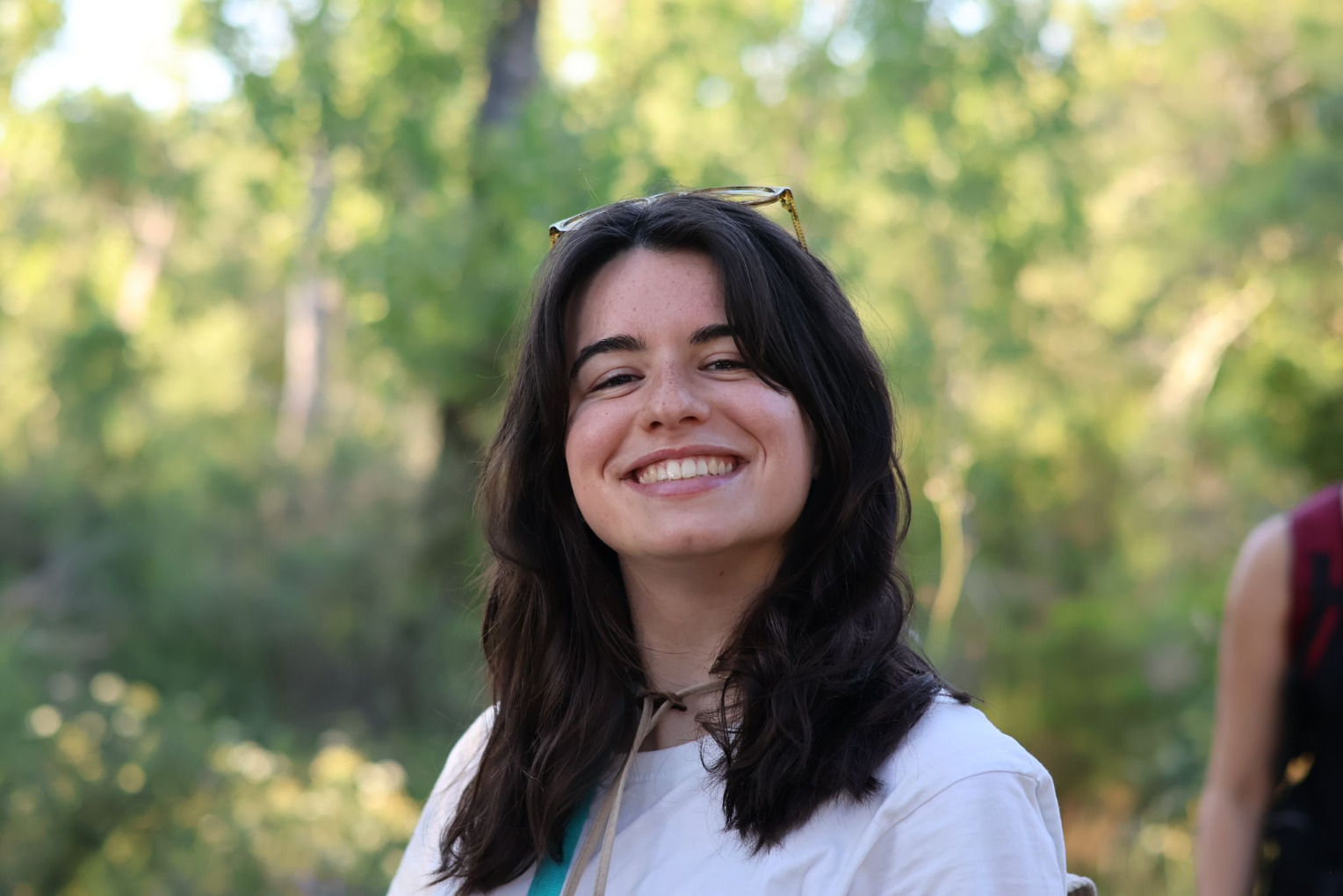
MSc Student
Margarida Branco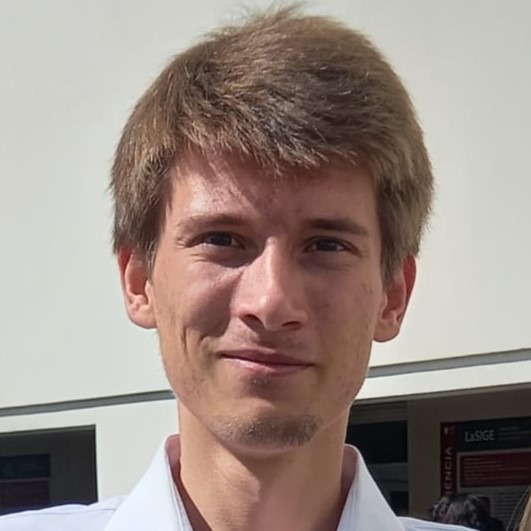
MSc Student
Viacheslav Gavryliak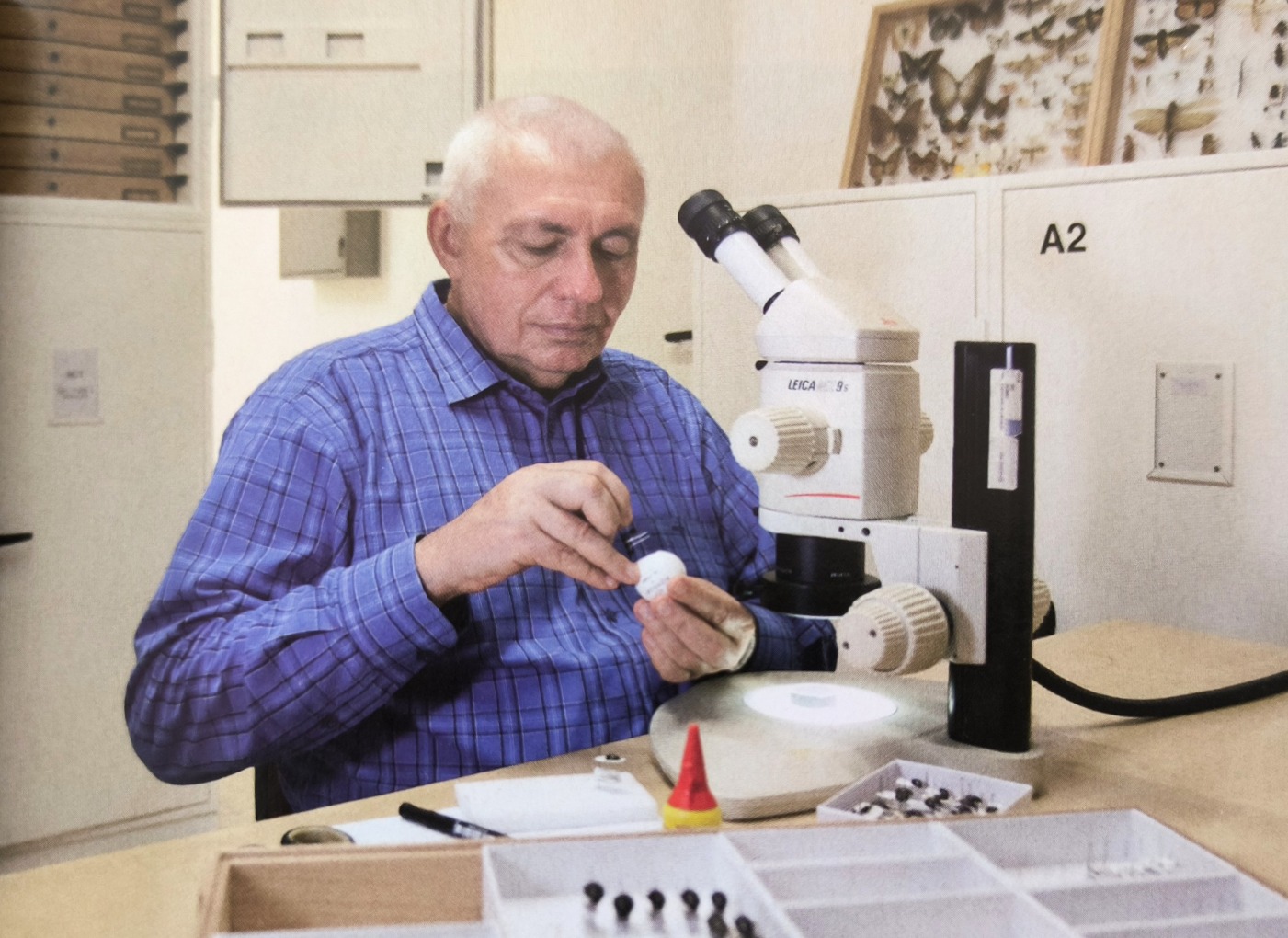
External Collaborator
Alexander Shatrovskiy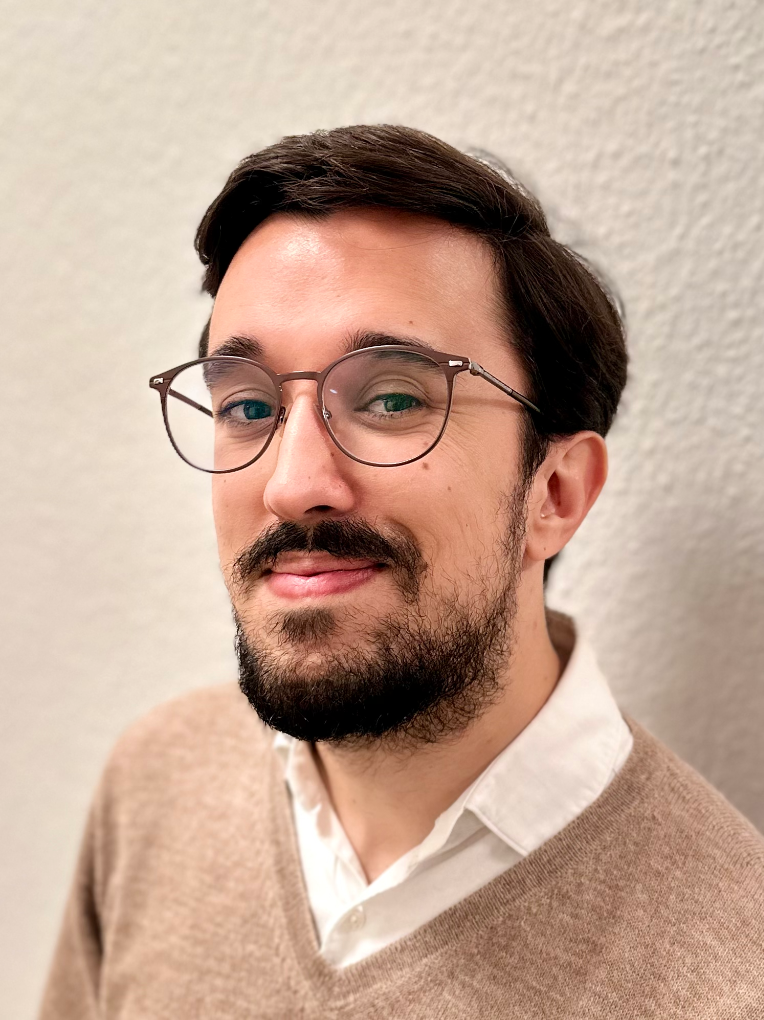
External Collaborator
André Rodrigues Soares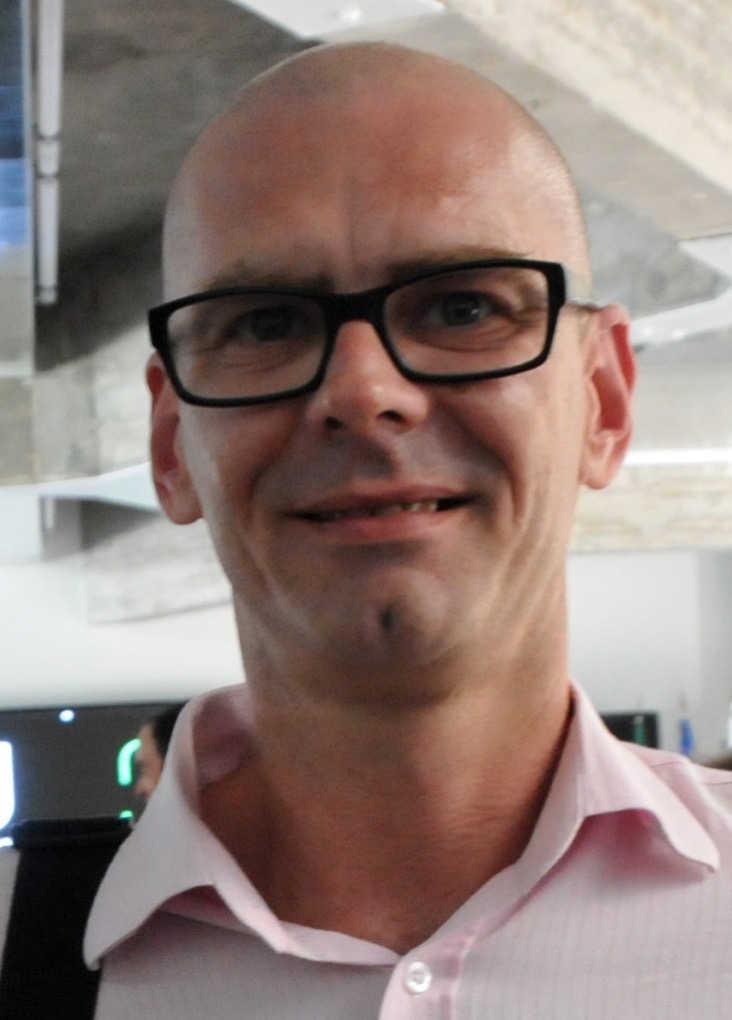
External Collaborator
Eric Claude Font
External Collaborator
Kasun H. Bodawatta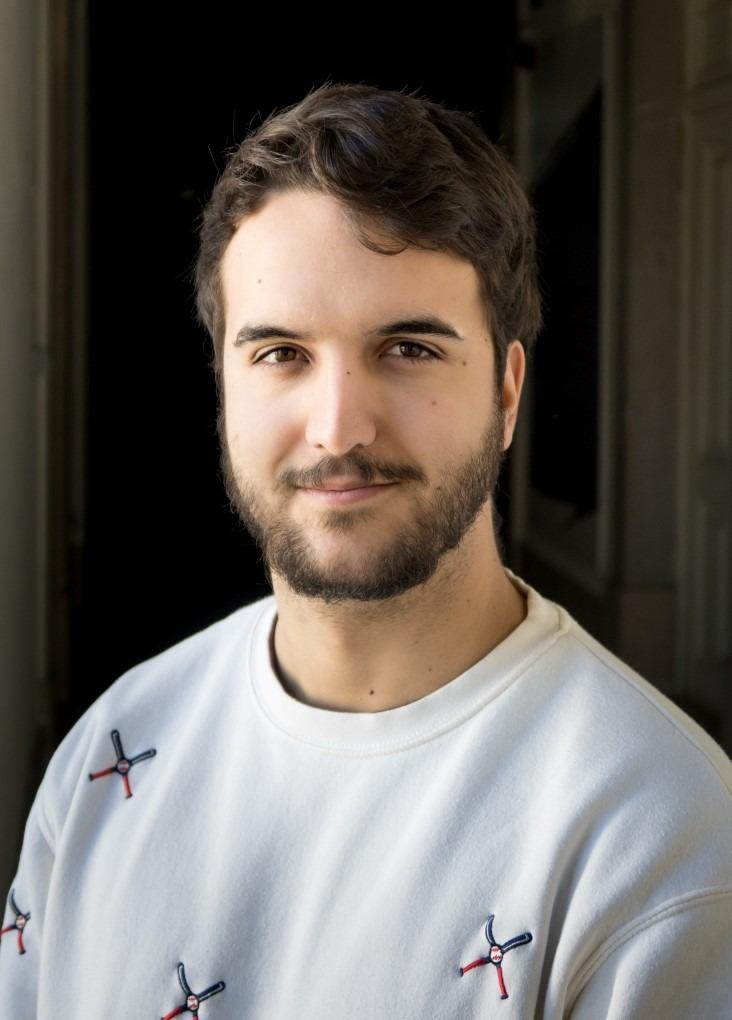
External Collaborator
Martim Baptista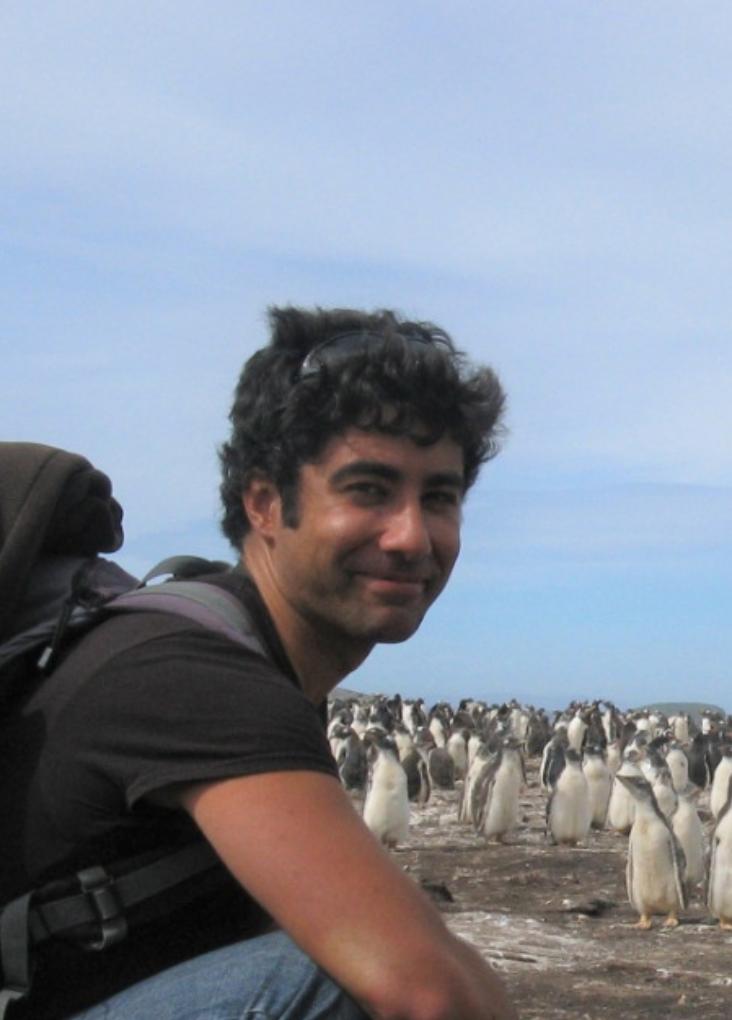
External Collaborator
Rafael Faria Silvestre Matias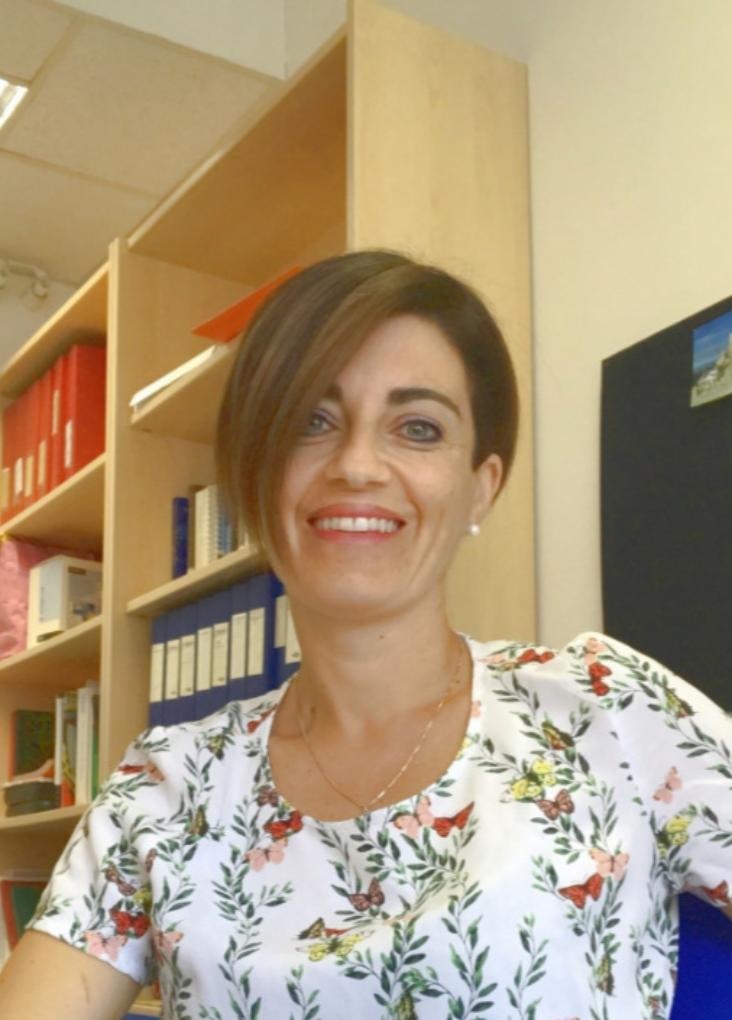
External Collaborator
Tiziana Di Lorenzo