

BiMoCS - Biodiversity Monitoring & Citizen Science
The Biodiversity Monitoring & Citizen Science (BiMoCS) research group develops and applies approaches to monitor biodiversity across terrestrial, freshwater, coastal and urban ecosystems, combining ecological research with participatory science. Our mission is to strengthen biodiversity knowledge and long-term monitoring capacity by integrating multiple data streams and citizen participation.
By combining multi-taxa expertise with social science perspectives, we aim to:
- Advance long-term socio-ecological monitoring: We develop and maintain monitoring schemes to assess how global change and land-use drivers affect ecological patterns. Our work leverages long-term research sites and infrastructures to generate data needed to evaluate ecosystem change and resilience.
- Promote citizen science and public engagement: We develop and implement citizen science initiatives for biodiversity data collection at multiple scales. Through digital platforms and collaborative monitoring activities, we support public participation in data generation, validation and use.
- Assess ecosystem services and human well-being: We investigate relationships between biodiversity and ecosystem services, including how stakeholders perceive and value nature. This work supports research on sustainable landscape management and nature-based solutions.
- Support the science–policy interface: We contribute to translating biodiversity evidence into conservation planning and management. In collaboration with decision-makers, NGOs and local communities, we contribute to national and international biodiversity goals.
A core focus of BiMoCS is to improve the reliability, interoperability and policy relevance of biodiversity data collected through public participation. We study data quality, sampling bias and validation workflows, co-design indicators with stakeholders, and explore how citizen science can contribute to local conservation management and international biodiversity targets. We also assess social outcomes of participation in science, including engagement, learning, stewardship and inclusion, and develop models for collaborative biodiversity monitoring.
BiMoCS operates from local to national and international scales, linking research to practice through long-term partnerships, open data and science communication.
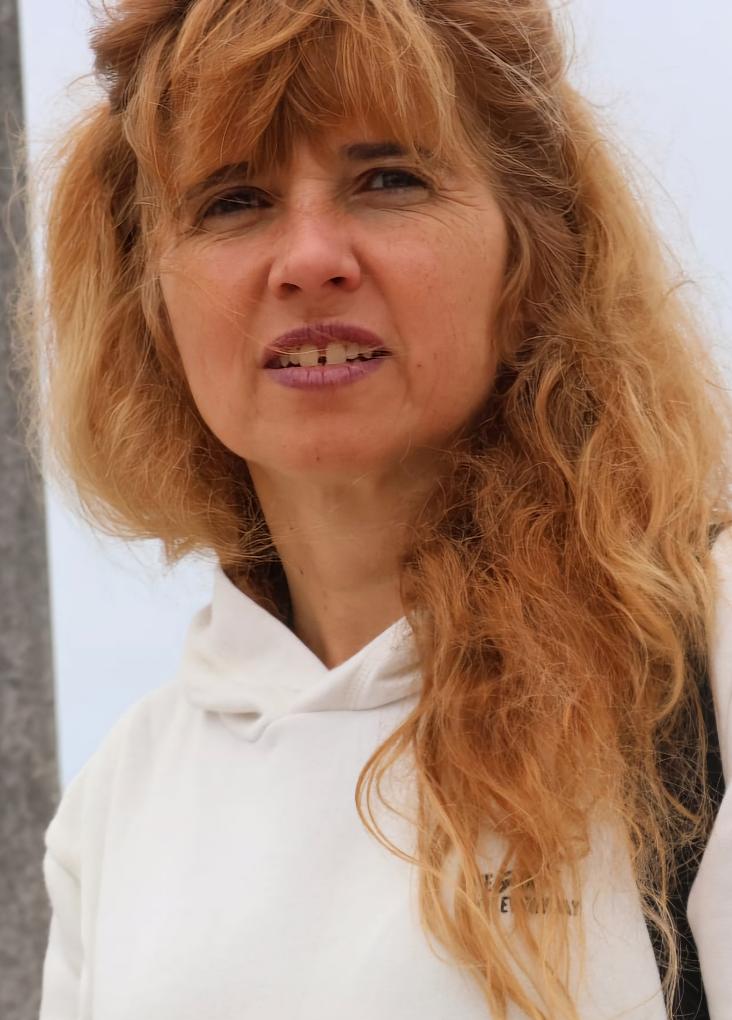
Group Leader
Patrícia Tiago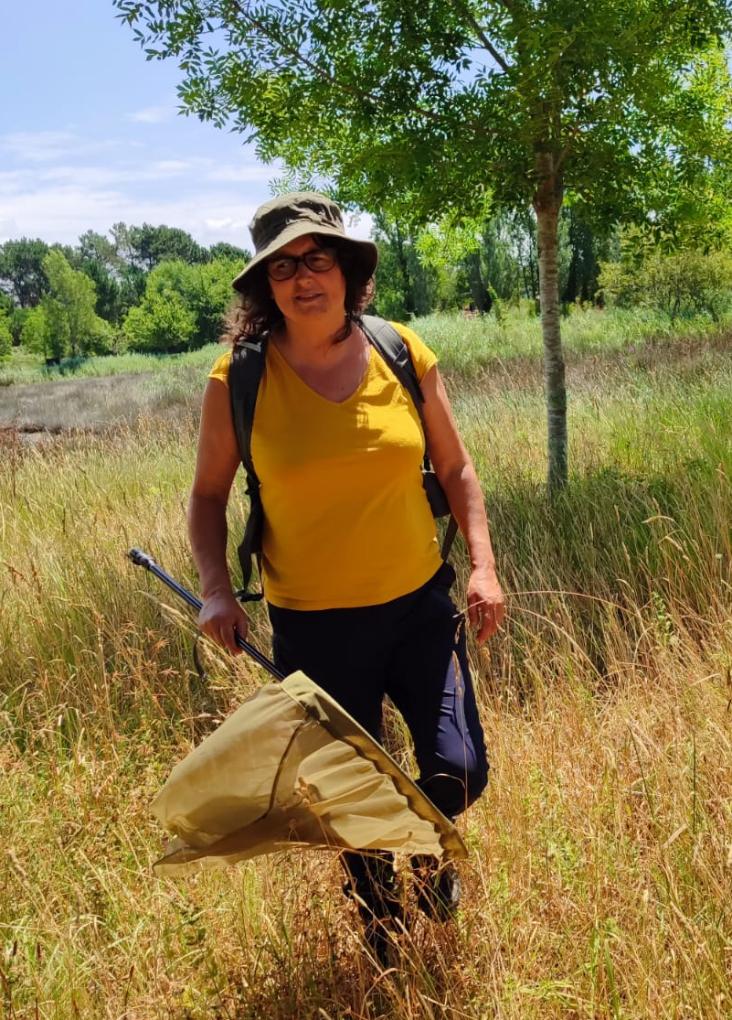
Researcher
Eva Monteiro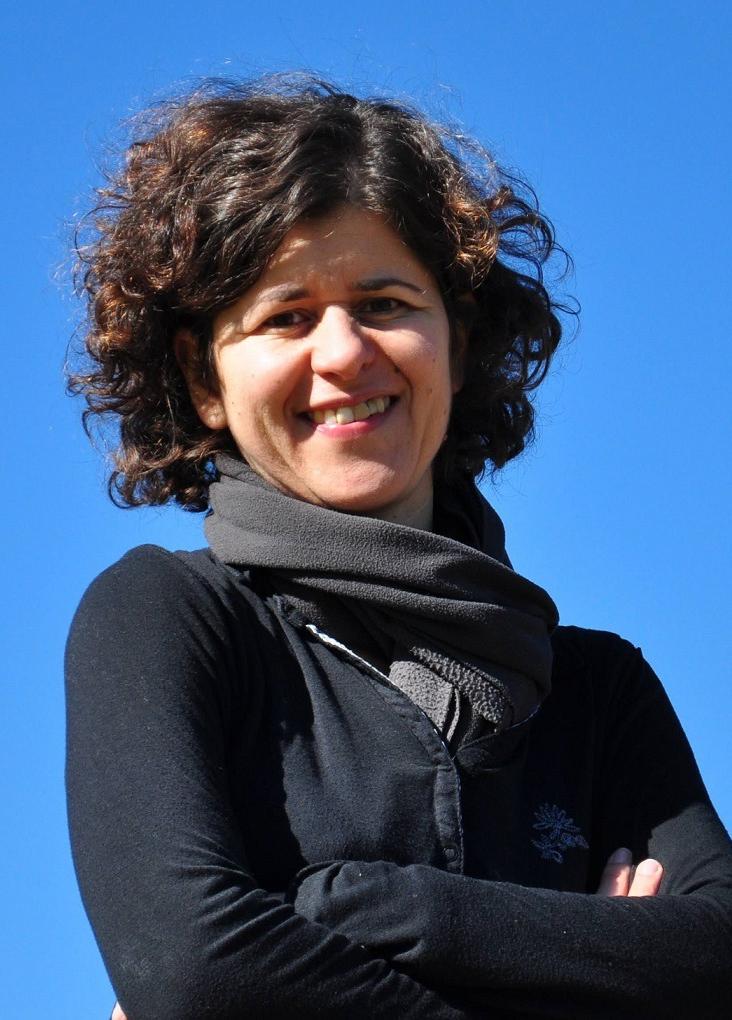
Researcher
Inês Teixeira do Rosário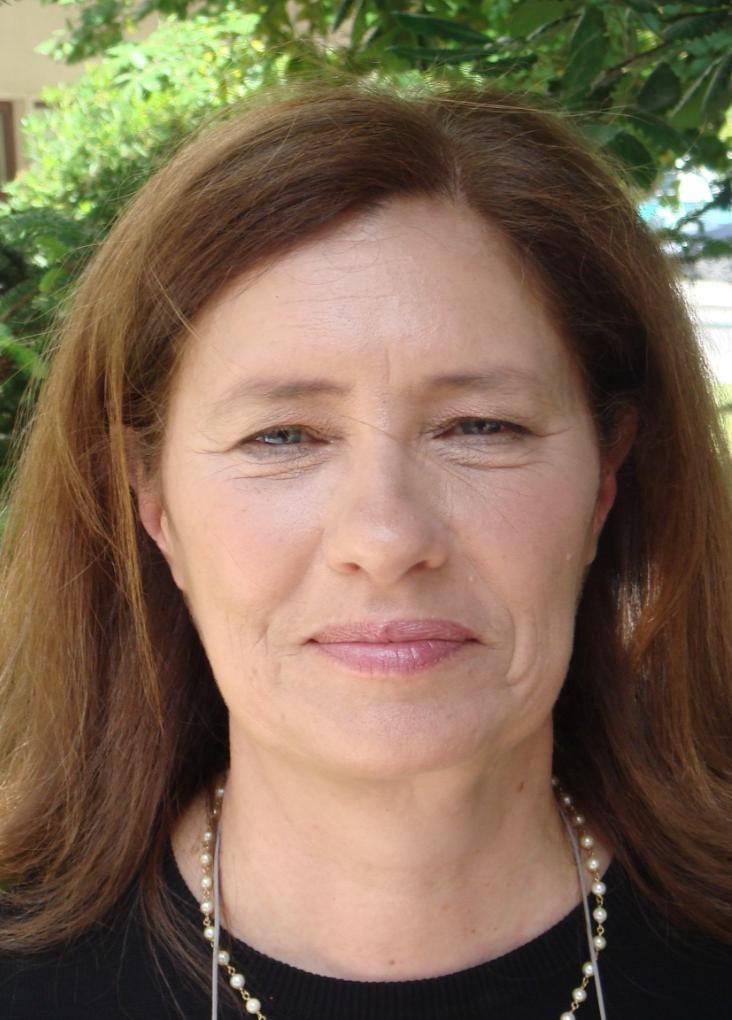
Researcher
Margarida Santos-Reis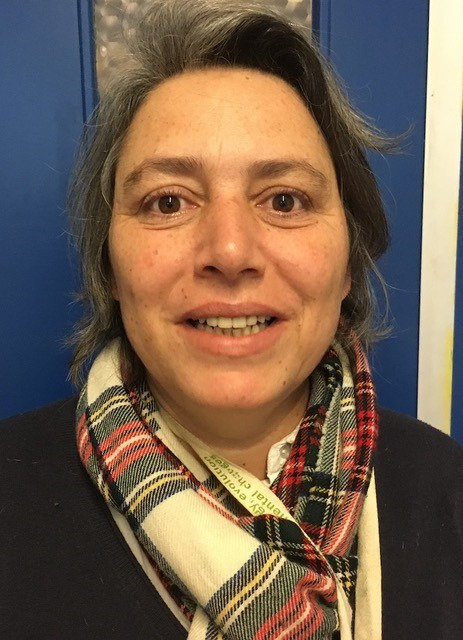
Researcher
Patrícia Garcia Pereira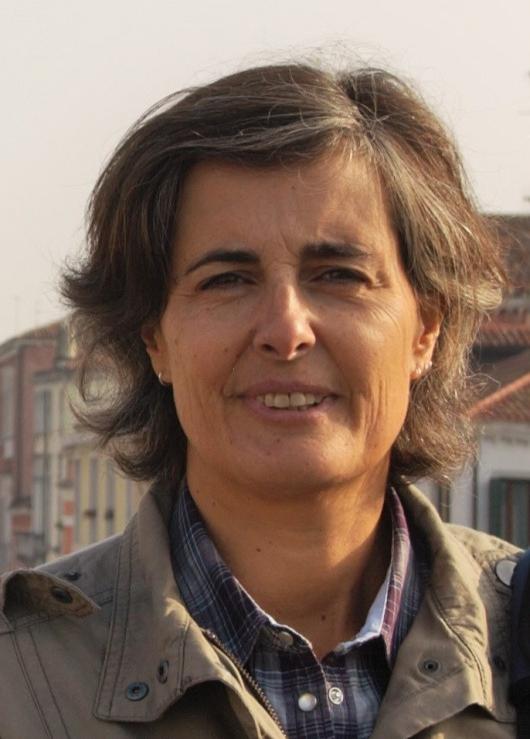
Researcher
Paula Gonçalves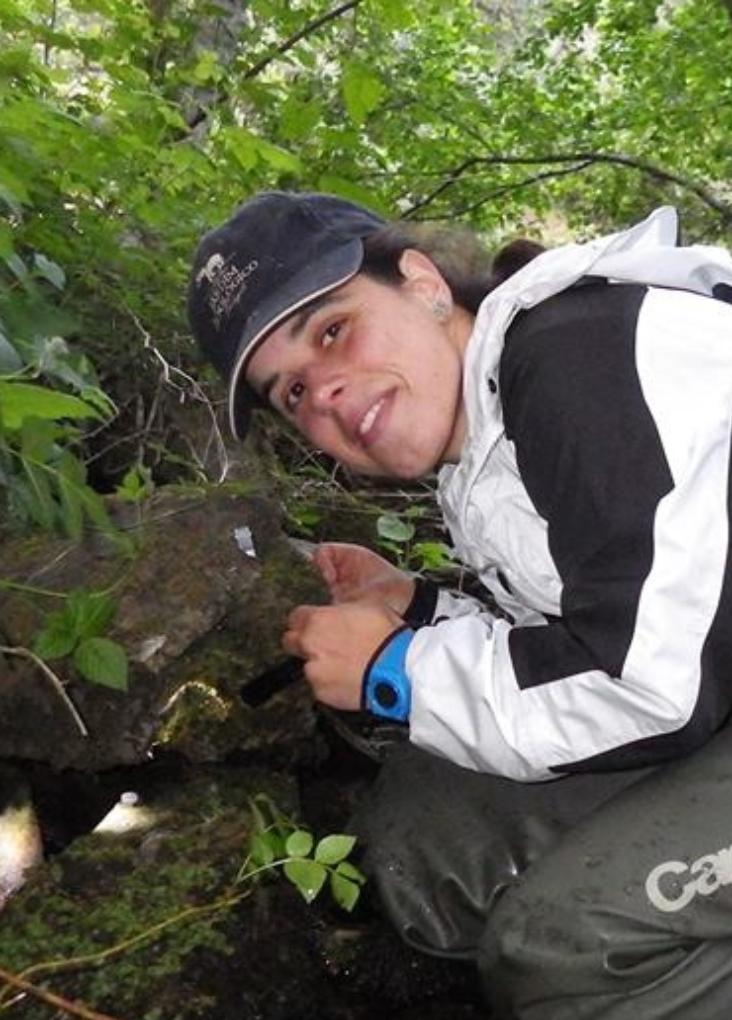
PhD Student
Raquel C. Mendes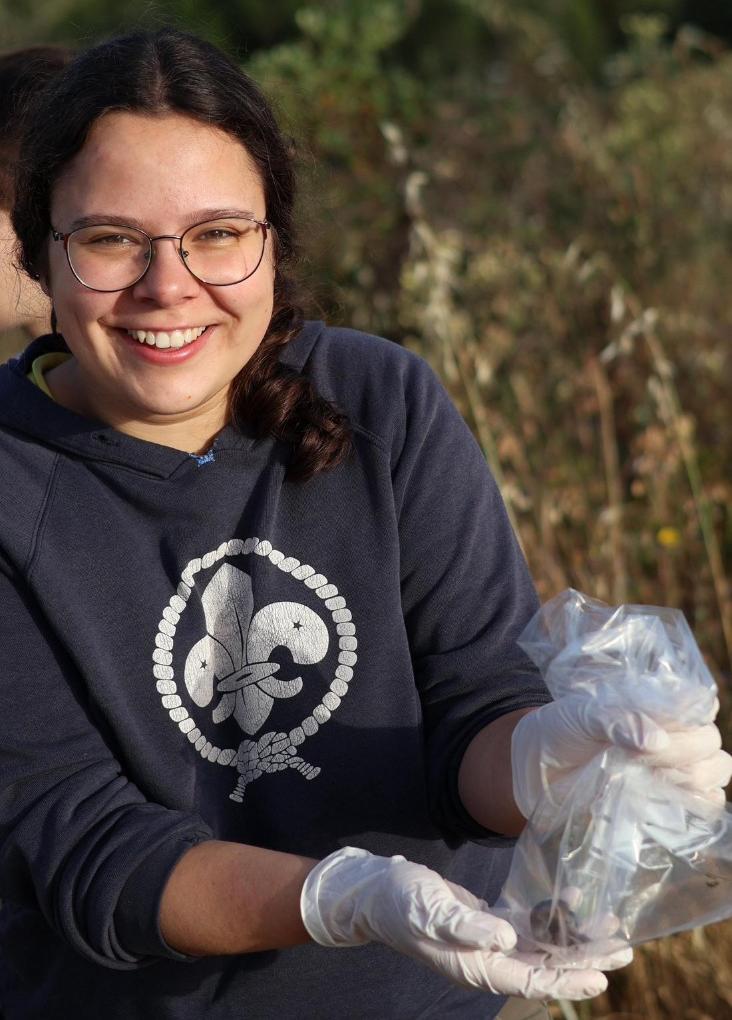
MSc Student
Carolina Lima Barbosa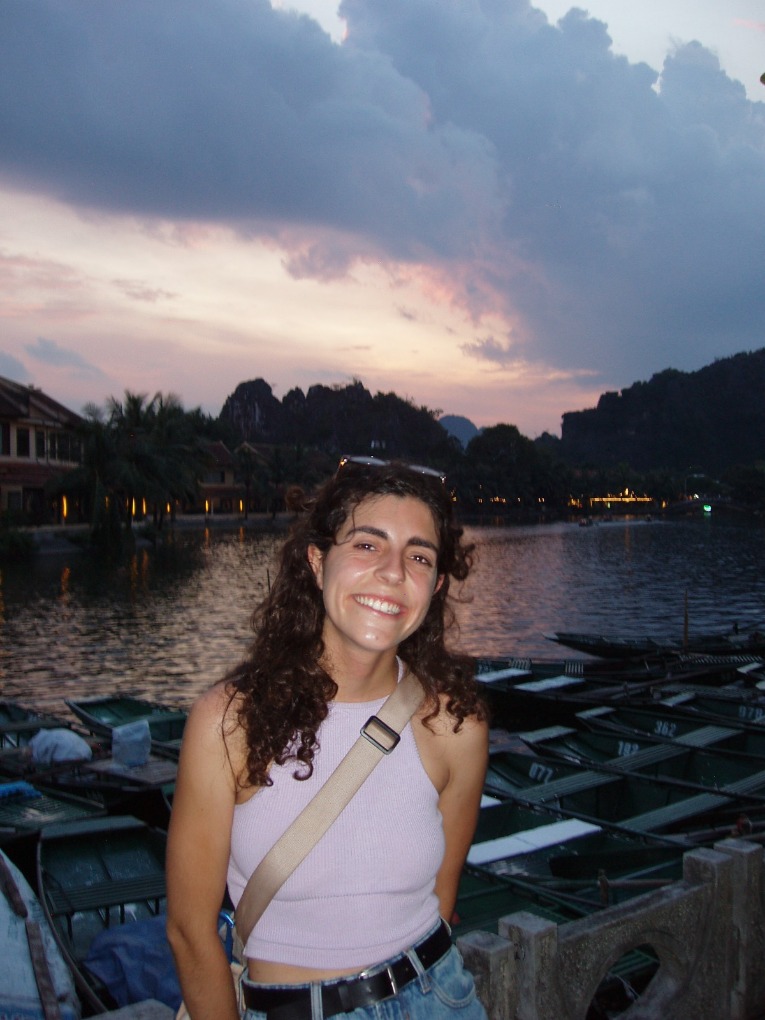
Grant Researcher
Márcia Branquinho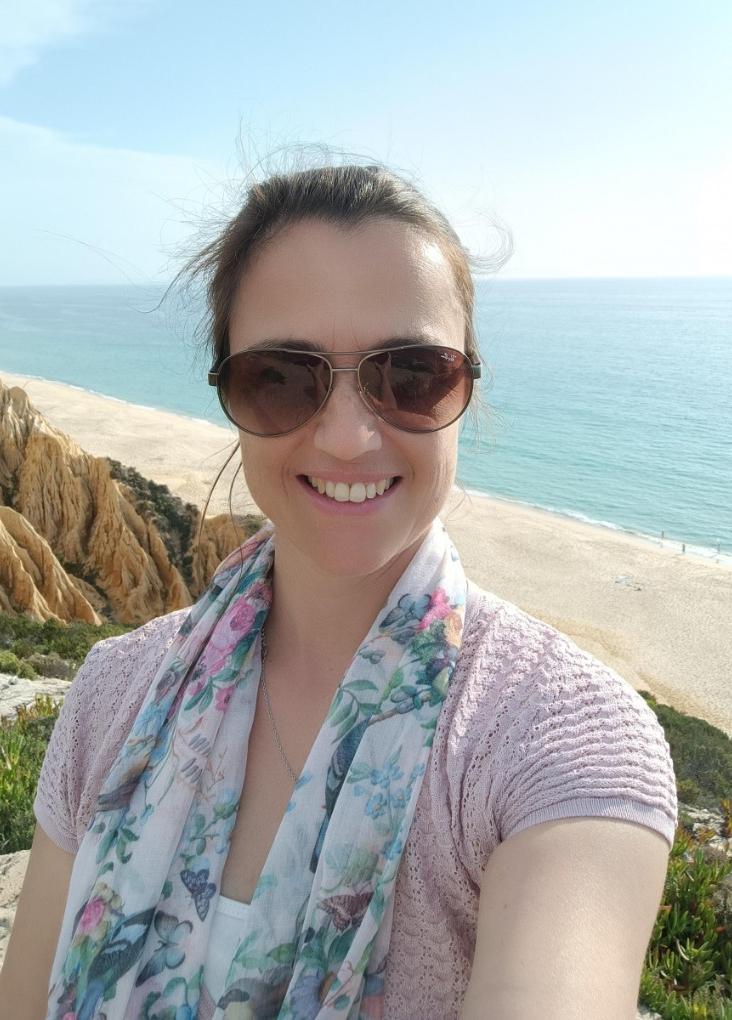
External Collaborator
Ana Isabel Leal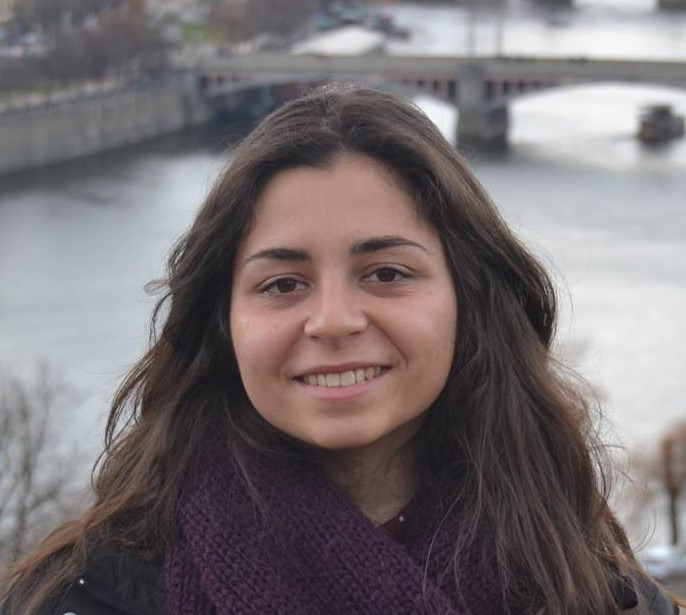
External Collaborator
Cândida Ramos
External Collaborator
Cristina Luís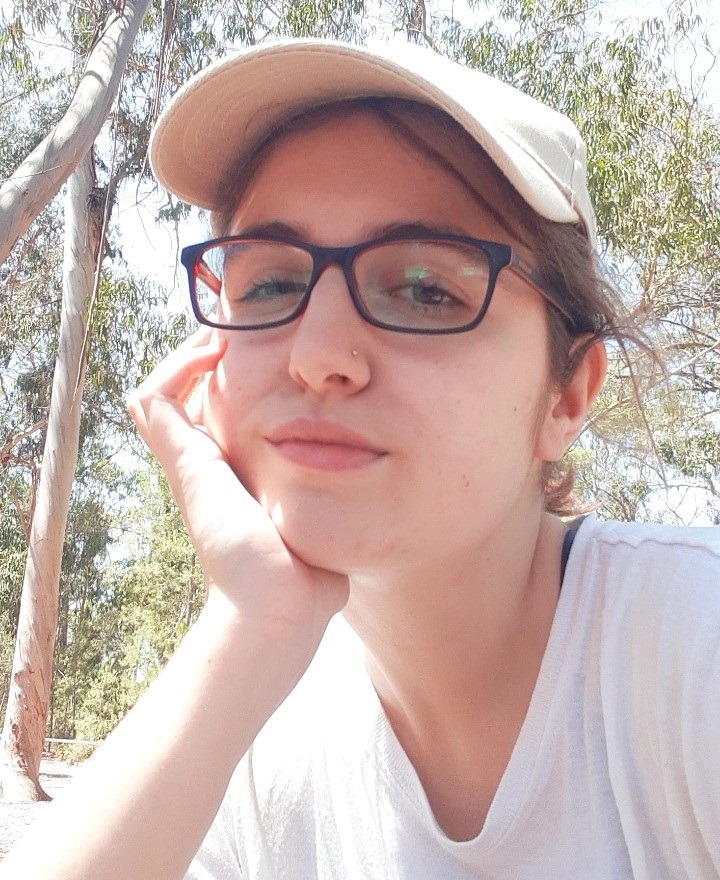
External Collaborator
Margarida Rei
External Collaborator
Viviana Marina de Oliveira Monteiro Correia Padinha