
-
Date:
16 Apr 2026
-
Location:
Room 2.2.14 - Faculty of Sciences of the University of Lisbon & Online
-
Schedule:
16h00 (Lisbon time), 15h00 (Azores time)
-
Lecturer or Responsible:
Liliana Ferreira (Tropical and Mediterranean Biodiversity)
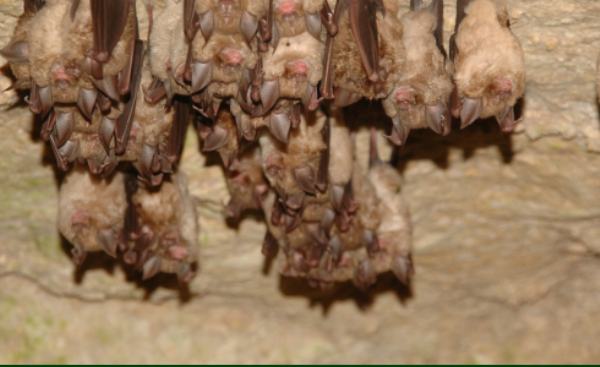
In Europe, many bat species reach their northern range limits in Scandinavia, where species richness and abundance decline with latitude. This pattern may reflect direct climatic constraints imposed by progressively colder conditions, or indirect effects mediated through habitat characteristics. To determine the relative importance of these factors, we surveyed bats at 433 sites across Scandinavia, covering all major climatic zones and land-cover types. Using acoustic recordings, we identified 140 761 passes from ten species and then modelled their distributions using as predictors climatic variables, habitat variables, and both combined. Climate was the dominant driver of bat distributions, with the mean minimum temperature of the coldest month emerging as the strongest predictor for most species; habitat played a comparatively smaller role. These results indicate that bat latitudinal ranges are constrained primarily by limited adaptation to cold temperatures rather than by the availability of suitable habitat, highlighting potential impacts of climate change.
Online acess link ID da Reunião: 360 889 176 133 248 Código de acesso: K8AM7X4i

Liliana Ferreira
Tropical and Mediterranean Biodiversity