
-
Date:
18 Mar 2026
-
Location:
Room 2.2.21 - Faculty of Sciences of the University of Lisbon & Online
-
Schedule:
14h00 (Lisbon time), 13h00 (Azores time)
-
Lecturer or Responsible:
Cristina Vieira, University Lyon 1, Biometry and Evolutionary Biology Lab, UMRCNRS 5558, France
-
Tags: E3Talk
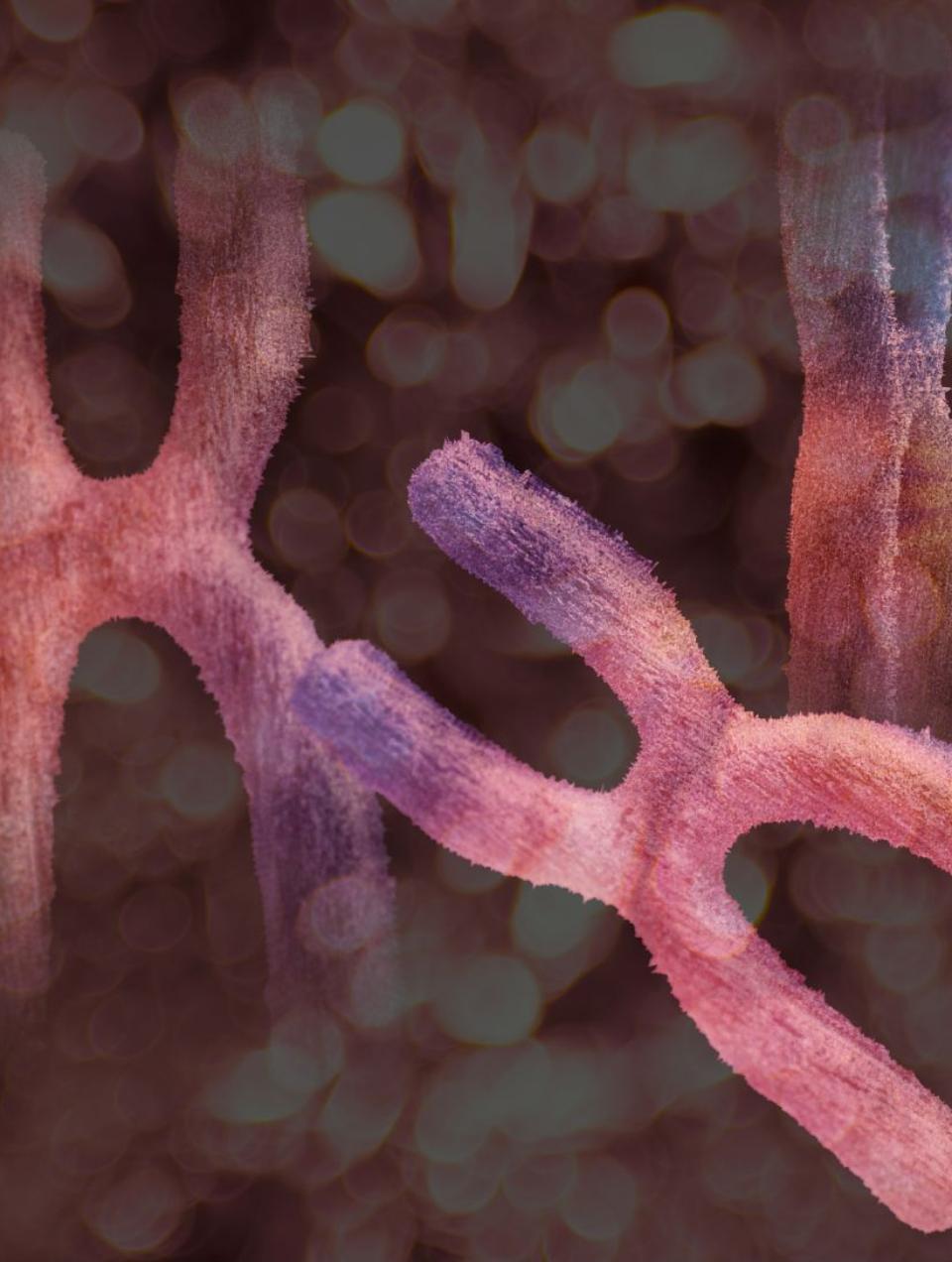
In many animal species, females tend to live longer than males, a phenomenon known as sex gap in longevity (SGL). One possible explanation for this phenomenon could be related to the activity of transposable elements (TE), which may be present at higher levels in the heterogametic sex. TE activity is normally repressed by epigenetic mechanisms, but this regulation weakens with age. Sex chromosomes, such as the Y chromosome, are enriched in TEs, and age-related TE activity may therefore be more pronounced in older males than in older females, likely affecting longevity patterns. I will present you data obtained in humans and Drosophila that suggest that increased activity of TE in the heterogametic sex contribute to the SGL.
Online access* • LINK
* To access the meeting in the app without using the link, use the meeting ID 335 908 900 758 16 and access code PQ9Nt65h

Cristina Vieira
University Lyon 1, Biometry and Evolutionary Biology Lab, UMRCNRS 5558, France